
TL;DR
- Support hunters divide into Protectors (sustain) and Controllers (crowd control) with distinct tactical roles
- Zeph dominates S-tier with unmatched healing output and team mobility buffs for zone control
- Master at least one Protector and Controller to adapt to any team composition effectively
- Positioning and cooldown management separate average from elite support players
- Itemization choices should complement your team’s strategy and counter enemy compositions
Achieve victory in SUPERVIVE by mastering support hunters who serve as strategic anchors rather than simple healers. These versatile characters transform competent squads into dominant forces through calculated battlefield influence and sustained team presence.
Support specialists operate within two distinct archetypes with complementary tactical applications. Protectors including Zeph and Elluna specialize in maintaining team survivability through direct healing applications and defensive enhancement capabilities. Conversely, Controllers like Celeste and Crysta manipulate engagement parameters through sophisticated crowd control mechanics and territorial dominance.
SUPERVIVE: Support Tier List
Current competitive meta heavily favors adaptable support selections that seamlessly integrate with diverse team structures. Strategic pairing between support specialists and frontline combatants frequently determines match outcomes. For optimal synergistic combinations, consult our comprehensive Class Guide detailing frontline combatant options.
Develop proficiency with minimum one Protector and one Controller archetype to address any compositional challenges your team encounters.

Our tier evaluation methodology combines statistical performance data, community consensus, and competitive viability across multiple gameplay patches. Rankings reflect current meta relevance and learning curve considerations.
S-Tier Dominance
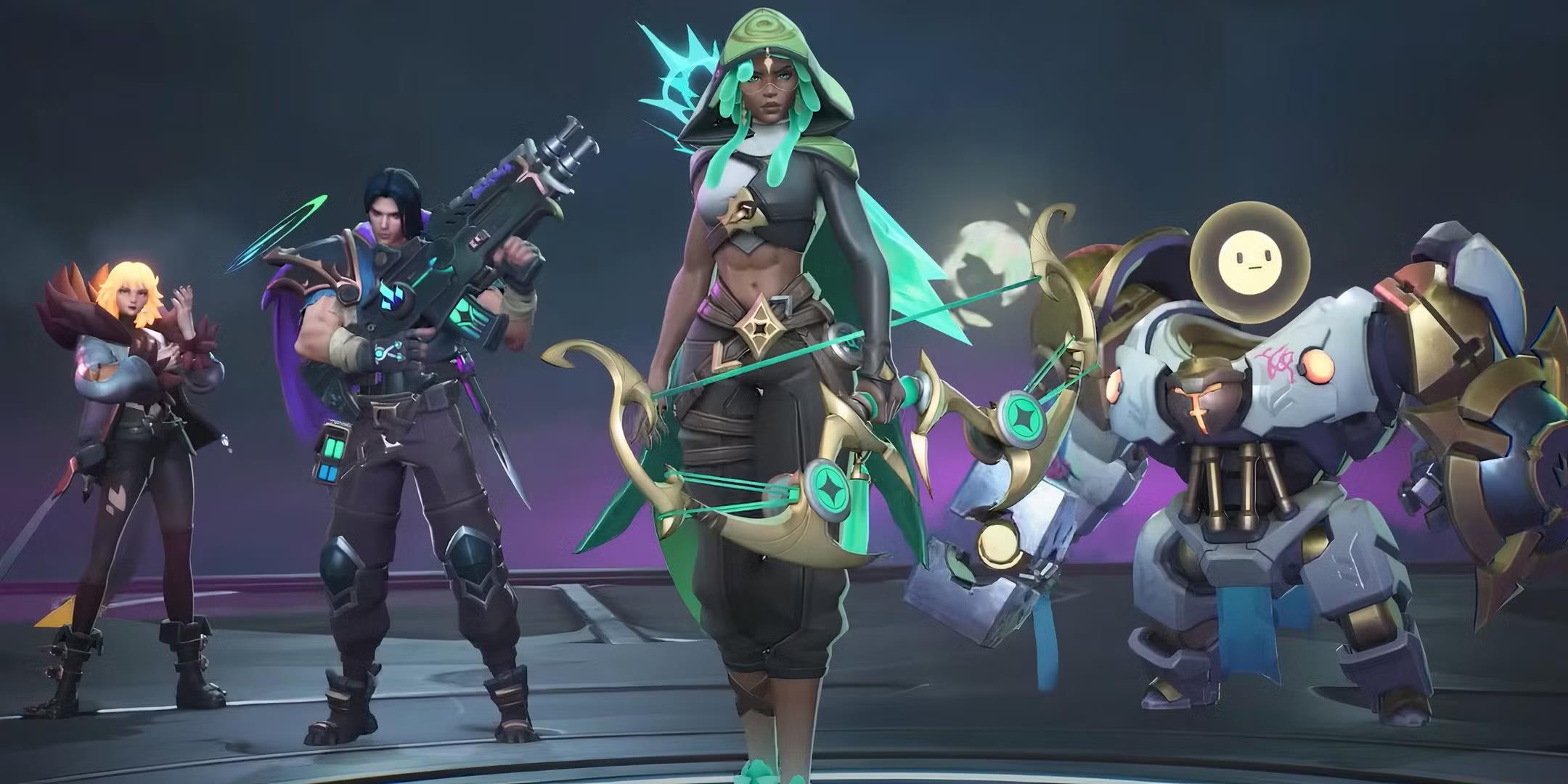
Zeph maintains unparalleled S-tier status through exceptional healing throughput complemented by team mobility enhancement capabilities. His consistent performance during zone contraction phases and prolonged engagements establishes irreplaceable strategic value. Community feedback consistently highlights his reliability metrics, while his ultimate ability delivers transformative area sustain capable of reversing unfavorable engagements.
- Sustained healing output with optimal mana efficiency ratios
- Team movement acceleration for superior positional control
- Ultimate ability creating decisive turning points in team fights
A-Tier Competitive Options
A-tier contenders deliver consistent performance with slightly narrower specialization parameters. Elluna excels in sustained healing scenarios with superior single-target focus, while Celeste provides unmatched crowd control utility for teams prioritizing engagement initiation.
B-Tier Situational Specialists
B-tier selections perform adequately in specific compositional contexts but lack the versatility of higher-ranked options. These hunters require complementary team structures to maximize their specialized capabilities effectively.


Strategic support selection transcends individual capability assessment to encompass holistic team synergy optimization. Composition design should address both your team’s strategic approach and anticipated enemy counter-strategies.
Protector Pairing Principles: Combine sustain-focused supports with aggressive frontline compositions that benefit from extended engagement durations. Zeph particularly excels when paired with durable initiators who capitalize on his mobility enhancements to secure positional advantages.
Controller Integration Tactics: Position crowd control specialists alongside burst damage dealers who can capitalize on immobilized targets. Celeste’s area denial capabilities create optimal setups for area-of-effect specialists to maximize damage output.
Map geometry significantly influences support effectiveness. Controllers dominate confined spaces with chokepoints, while Protectors excel in open terrain requiring sustained mobility. For comprehensive strategic frameworks, reference our Complete Guide to advanced gameplay mechanics.


Support itemization strategies must balance personal survivability with team utility enhancement. Build paths should adapt to both team composition requirements and enemy threat profiles.
Core Protector Itemization: Prioritize mana regeneration and cooldown reduction to maximize healing uptime. Secondary investments in defensive stats ensure personal survivability during focused engagements.
Controller Equipment Priorities: Focus on ability power and crowd control duration extensions to amplify battlefield control capabilities. Defensive items should address specific enemy damage types prevalent in the current match.
Situational items prove crucial for countering specific enemy compositions. Against heavy crowd control teams, tenacity items become mandatory. Versus sustained damage compositions, additional healing amplification provides superior value.
For detailed equipment progression paths and unlock requirements, consult our Weapons Unlock guide covering all gameplay systems.


Transitioning from competent to exceptional support play requires focused development across three core competency areas: positioning mastery, resource management, and game sense cultivation.
Positioning Fundamentals: Maintain optimal positioning at the edge of team fights where you can influence engagements while minimizing direct threat exposure. Advanced positioning involves predicting engagement flow and pre-positioning for upcoming skirmishes.
Cooldown Management: Treat ability cooldowns as strategic resources rather than simple timers. Preserve crucial abilities for decisive moments rather than using them on cooldown. Track enemy ultimate abilities to ensure availability of counter-plays.
Game Sense Development: Cultivate awareness beyond immediate combat to encompass macro-level strategy. Develop predictive capabilities for zone movements, objective timings, and enemy rotation patterns through consistent gameplay and vod review.
Common advancement barriers include overextending for unnecessary healing, inefficient ability sequencing, and poor ultimate timing. Address these through deliberate practice with specific improvement goals each session.
Action Checklist
- Master one Protector and one Controller to compositional flexibility
- Practice positioning at team fight peripheries with escape routes
- Learn cooldown conservation for crucial engagement moments
- Study map-specific support positioning advantages
- Adapt item builds to counter enemy composition strengths
No reproduction without permission:Tsp Game Club » SUPERVIVE: Support Tier List Master SUPERVIVE support roles with tier rankings, advanced strategies, and actionable gameplay optimization tips