
TL;DR
- Armor quality depends on ore quantity and composition, with 30% minimum for trait activation
- Early game focuses on survival with common ores while building material stockpiles
- Samurai Set provides the perfect mid-game balance of defense and mobility
- Dark Knight Set offers maximum protection for endgame content and challenging encounters
- Lightite Speed Set enables specialized playstyles requiring agility and quick reflexes
Mastering armor creation in The Forge requires understanding both defensive equipment and offensive tools. Your protective gear directly impacts survival duration against powerful enemies, farming efficiency in hazardous areas, and how severely errors affect your advancement. The crafting mechanics reward players who comprehend material characteristics and proportional mixtures rather than simply using uncommon resources.
This comprehensive guide concentrates exclusively on optimal armor formulas in The Forge, detailing which equipment combinations merit creation during each development phase and methods to maximize returns from your mineral investments.
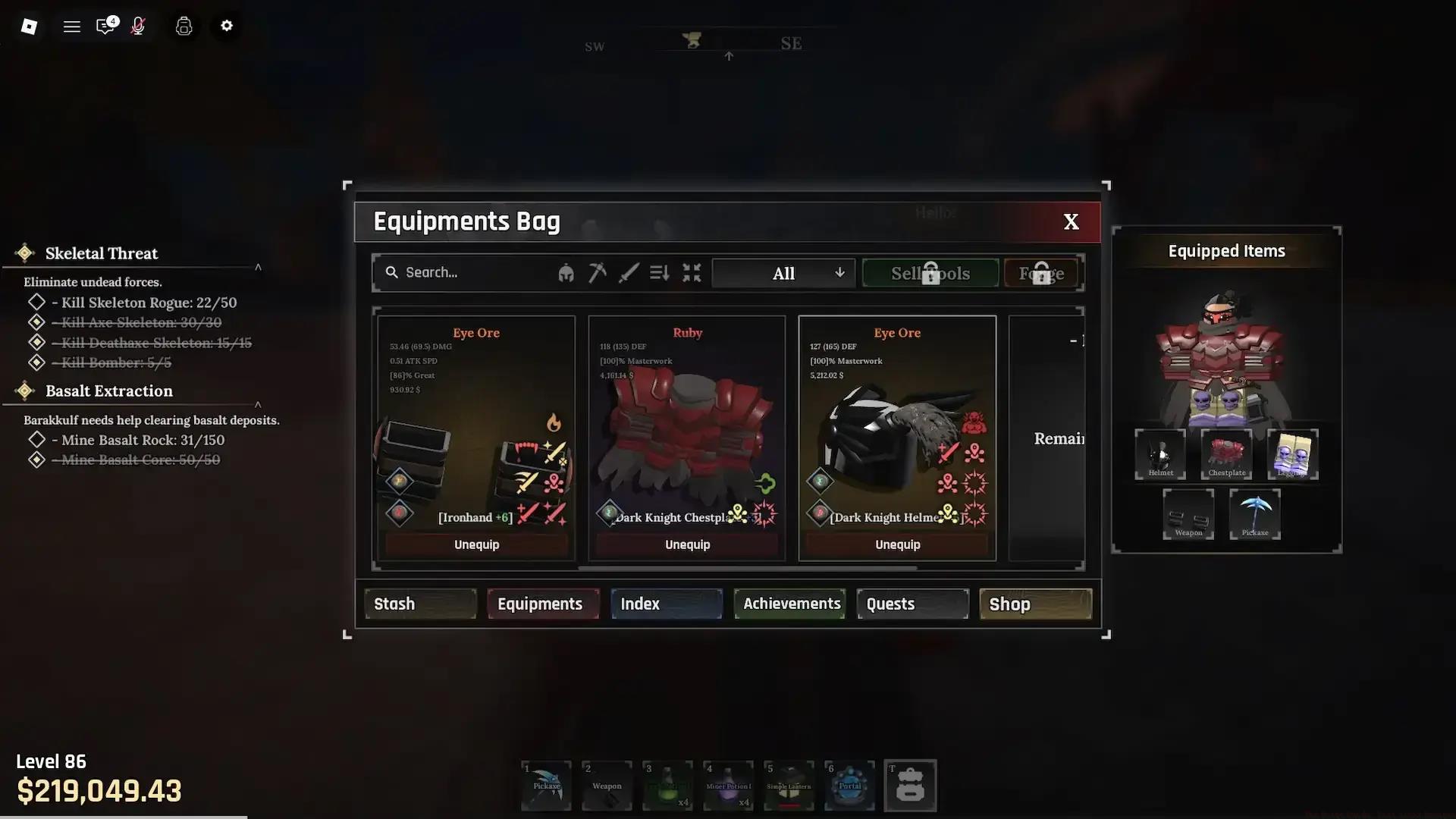
Protective gear quality within The Forge hinges primarily on two crucial elements: mineral volume and material combination. Understanding this duality separates novice crafters from masters.
Each armor category possesses approximate mineral prerequisites. Light protection typically demands about 10 total minerals, Medium armor occupies the intermediate spectrum, and Heavy protection frequently necessitates 30+ minerals per component. Increased mineral contribution generally enables access to superior armor tiers.
Material characteristics represent where numerous players err. A mineral must constitute no less than 30 percent of the complete formula to enable its passive attribute. Combining excessive different minerals in balanced proportions frequently yields zero activated traits. Concentrating on two or three minerals consistently produces substantially more powerful protective gear.
The forging minigame significantly influences outcomes. Precise timing throughout pouring and shaping procedures observably enhances fundamental statistics. Deficient performance can destroy even robust formulas, making practice essential before employing scarce materials.
Consistently examine the Forge Probabilities display before finalizing mineral commitments. The percentage distributions adjust according to total mineral count, assisting your targeting of specific armor categories.
The Forge Guide: Best Armor Recipes
During initial stages, you’ll manipulate abundant minerals including Ruby, Emerald, and Cuprite. These materials won’t achieve exceptional recognition, but they’ll maintain your viability while mastering fundamentals and accumulating superior resources.
Common Early Game Mistakes to Avoid:
- Don’t waste rare ores on practice crafts – use only common materials
- Avoid mixing more than 3 ore types in any recipe
- Never craft without checking Forge Chances first
- Don’t ignore the forging minigame – practice makes perfect
Starter Recipe: Basic Defender Set
For your initial armor, focus on 12-15 total ores with 60% Ruby and 40% Emerald composition. This provides solid physical defense with minor elemental resistance, perfect for early zone exploration. The 60% Ruby concentration activates its health regeneration trait, while Emerald contributes mana efficiency.
Progression Strategy: Farm the Crystal Caves for consistent Ruby and Emerald drops while avoiding dangerous areas until you have at least 50 of each ore stockpiled. This ensures you can craft multiple pieces and select the best rolls for your character build.
The Samurai armor collection represents the optimal intermediate progression equipment, delivering exceptional equilibrium between protective capability and mobility. This becomes accessible once you unlock the Mountain Temple region and can farm Obsidian and Jadeite minerals.
Perfect Samurai Chestpiece Formula:
- Total Ores: 22-25
- Obsidian: 14-16 ores (60-65%)
- Jadeite: 8-9 ores (35-40%)
- Avoid adding any third ore type
This precise combination activates both Obsidian’s damage reflection trait and Jadeite’s movement speed bonus, creating exceptionally versatile armor for the mid-game phase. The damage reflection particularly shines against rapid-attacking enemies, while the speed boost improves farming efficiency.
Advanced Technique: Time your hammer strikes during the forging minigame to land precisely when the metal glow reaches its brightest point. This can increase base defense by 10-15% compared to average timing. Practice this technique with common ores before attempting your Samurai set.
Transition from early game armor should occur once you have accumulated at least 80 Obsidian and 50 Jadeite, ensuring you can craft a complete set with multiple attempts to achieve optimal stats.
For ultimate protective capability in endgame content, the Dark Knight collection provides unparalleled defensive statistics and powerful trait combinations. This armor demands substantial investment but rewards players with nearly impregnable protection.
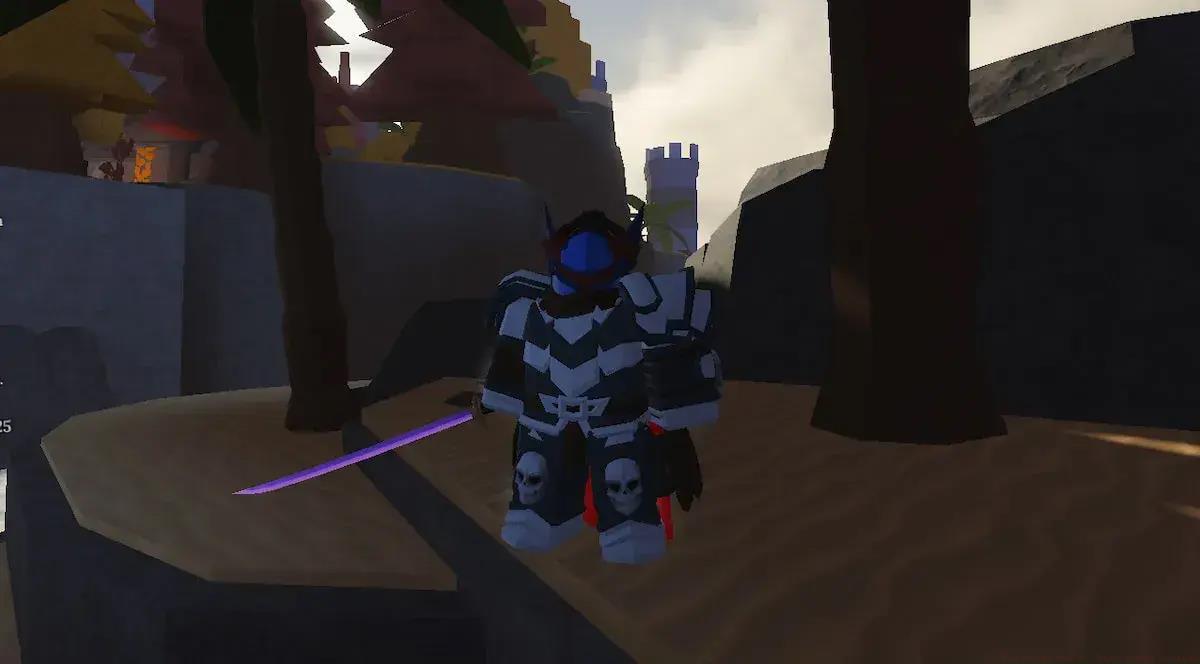
Dark Knight Gauntlets Formula (Most Critical Piece):
- Total Ores: 38-42
- Shadowsteel: 25-27 ores (65%)
- Void Crystal: 13-15 ores (35%)
- Absolute maximum of two ore types
This configuration activates Shadowsteel’s damage reduction trait at maximum efficiency while Void Crystal provides the cooldown reduction essential for endgame ability spam. The gauntlets are particularly important as they influence weapon handling and skill execution speed.
Farming Strategy: Shadowsteel drops exclusively from the Abyssal Depths bosses, requiring 5-7 kills for sufficient quantities. Void Crystal comes from the Crystal Nexus challenge rooms, which become accessible after completing the main storyline. Allocate 3-4 hours of focused farming for each complete set attempt.
Pro Tip: Craft your Dark Knight set during gameplay sessions when you’re most alert. The forging minigame requires perfect execution for maximum stats, and fatigue can cost you 20-30% potential defense points. Consider our Weapons Unlock guide to complement your defensive build with appropriate offensive tools.
For players favoring agility and evasion over raw protection, the Lightite Velocity collection offers specialized advantages in specific scenarios. This equipment dramatically enhances mobility while providing adequate protection for skilled players who avoid direct damage.
Lightite Chestpiece Optimization:
- Total Ores: 14-16
- Lightite: 10-11 ores (70%)
- Aetherium: 4-5 ores (30%)
- Never exceed 16 total ores to maintain light classification
This mixture activates Lightite’s dodge chance bonus at maximum potency while Aetherium provides mana regeneration for constant ability usage. The set excels in content requiring rapid positioning changes and against enemies with telegraphed, avoidable attacks.
Ideal Usage Scenarios:
- Speedrun attempts and time trials
- Bosses with predictable attack patterns
- Content where mobility outweighs defense requirements
- Complementing dodge-focused character builds
Material Efficiency: Lightite ore has a 45% drop rate from Sky Temple enemies, making it relatively easy to farm in bulk. Aetherium requires completing puzzle chambers in the Arcane Library, but each success yields 8-12 ores. A complete Lightite set can be farmed in approximately 2 hours of efficient gameplay.
Beyond basic recipes, mastering these advanced techniques will significantly improve your crafting results and resource efficiency throughout your progression.
Trait Stacking Strategy: When planning your armor sets, consider how traits complement each other across different pieces. For example, combining cooldown reduction on gloves with mana regeneration on chestpiece creates synergistic benefits greater than their individual values.
Resource Conservation: Always craft your least important armor piece first when using rare materials. This allows you to perfect your technique and understand the minigame timing before committing to critical components like chestpieces or helmets.
Common Pitfalls and Solutions:
- Problem: Inconsistent trait activation despite correct ratios
Solution: Ensure absolute precision in ore counting – never estimate quantities - Problem: Poor minigame performance ruining good recipes
Solution: Practice with common ores until you can consistently achieve 90%+ timing accuracy - Problem: Running out of materials for complete sets
Solution: Farm 50% more materials than theoretically required to account for failed attempts
Progression Planning: Coordinate your armor crafting with your overall character development. Your defensive choices should complement your selected Class Guide specialization and playstyle. Heavy armor benefits tank-focused builds, while light armor suits mobile attackers.
For comprehensive gameplay strategies that integrate armor crafting with other systems, consult our Complete Guide to Battlefield 6, which covers everything from basic mechanics to advanced combat techniques.
Remember that armor crafting represents one component of your overall power. The most successful players balance defensive capabilities with offensive power, utility, and gameplay skill to overcome The Forge’s toughest challenges.
Action Checklist
- Practice forging minigame with common ores until achieving 90% timing accuracy
- Craft Basic Defender Set using 60% Ruby, 40% Emerald composition (12-15 total ores)
- Farm 80 Obsidian and 50 Jadeite for Samurai Set transition
- Craft Samurai Set using precise 65% Obsidian, 35% Jadeite ratios
- Acquire Shadowsteel from Abyssal Depths and Void Crystal from Crystal Nexus
- Execute perfect Dark Knight Set craft during focused gameplay session
No reproduction without permission:Tsp Game Club » The Forge Guide: Best Armor Recipes Master armor crafting mechanics and optimize your progression with essential recipes and strategies