
TL;DR
- Wordle challenges players to deduce five-letter words using color-coded feedback within six attempts
- Strategic starting words with varied vowels and consonants significantly improve success rates
- Today’s puzzle #1453 requires careful vowel placement and consonant pattern recognition
- The game’s enduring popularity stems from daily engagement and community competition
- Using analytical tools like Wordlebot helps identify improvement areas and refine strategies
The New York Times’ Wordle presents a compelling daily vocabulary challenge that tests both linguistic knowledge and logical deduction skills. Each 24-hour cycle introduces a fresh five-letter word puzzle that has captivated millions of players worldwide. When the difficulty escalates beyond comfortable levels—as it frequently does—strategic guidance becomes essential for preserving hard-earned winning streaks. For those seeking assistance with the June 11, 2025 edition (puzzle #1453), comprehensive hints and the complete solution await below.
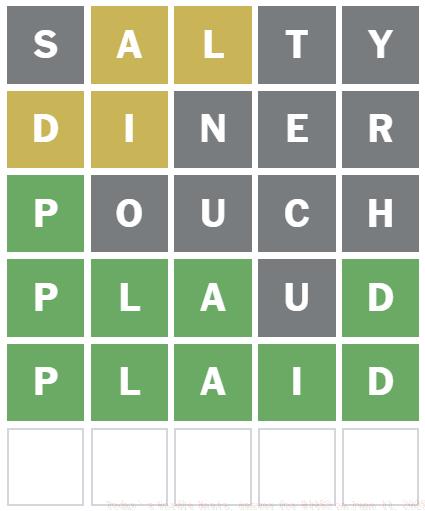
Wordle operates on an elegantly simple premise: identify the secret five-letter word within six attempts. Following each guess, the game provides immediate visual feedback through a sophisticated color-coding system. Letters displaying in green indicate correct placement within the word, while yellow highlights signify the letter exists in the solution but occupies a different position. Gray letters represent complete misses—these characters don’t appear in the target word at all.
Many newcomers underestimate Wordle’s complexity, assuming it relies solely on vocabulary breadth. In reality, systematic elimination and pattern recognition prove equally crucial for consistent success. The limited six-guess constraint demands efficient information extraction from each attempt, transforming what appears to be a simple word game into a nuanced exercise in strategic thinking.
Seasoned Wordle enthusiasts develop sophisticated methodologies that dramatically increase their solving consistency. These approaches transform random guessing into calculated deduction processes that maximize information gain from limited attempts.
Strategic Opening Moves – Your initial word selection establishes the foundation for your entire solving session. Optimal starters incorporate multiple vowels alongside high-frequency consonants, providing broad coverage of common letter patterns. While dedicated starting word guides offer comprehensive analysis, proven performers like AISLE, SALTY, and DINER deliver reliable starting positions by testing critical letter combinations early.
Color Response Interpretation – Meticulous attention to the yellow, green, and gray feedback represents the core of Wordle mastery. Each color provides specific elimination data: green letters anchor your solution framework, yellow characters indicate positional flexibility, and gray tiles remove possibilities entirely. Advanced players maintain mental matrices tracking confirmed positions and excluded letters to avoid redundant testing.
Vowel Management Techniques – When standard starting words yield limited information, shift focus to testing remaining vowels systematically. English words typically contain at least one vowel, with many incorporating two or three. Isolating vowel presence early prevents wasted guesses and narrows consonant combinations significantly.
Duplicate Letter Considerations – Contrary to intuitive assumptions, repeated letters frequently appear in Wordle solutions. Historical data indicates approximately 15-20% of answers contain duplicate characters. Strategic players incorporate this probability into their deduction processes, especially when letter patterns suggest repetition likelihood.
Analytical Tool Integration – The New York Times’ official Wordlebot provides post-game analysis comparing your solving path against optimal play. This artificial intelligence opponent identifies inefficient guesses and suggests alternative approaches, creating constructive competition that sharpens strategic thinking. Regular Wordlebot review accelerates skill development by highlighting recurring weaknesses in approach methodology.
For those seeking deeper mastery, comprehensive gameplay guides and advanced tactical resources can elevate your performance from occasional success to consistent dominance.
We recognize your immediate need for practical assistance with today’s challenging puzzle. Our commitment extends beyond simple answers to providing strategic context that enhances your long-term Wordle capabilities. For puzzle #1453, we’ve compiled targeted hints addressing starting word selection, vowel composition, letter repetition patterns, and specialized solving approaches.
Strategic Starting Point – Today’s solution benefits from opening words containing common consonants paired with standard vowels. Avoid obscure letter combinations or archaic terms that might seem clever but provide limited elimination data.
Vowel Configuration – The target word incorporates standard vowel placement rather than unusual combinations. Focus on mainstream vowel patterns rather than exotic arrangements.
Letter Repetition Analysis – This particular solution does not feature duplicate letters, allowing you to eliminate repetition strategies once confirmed through initial guesses.
Consonant Pattern Recognition – Pay particular attention to consonant clusters and their typical positions within five-letter words. Today’s answer follows conventional consonant-vowel structures rather than unusual phonetic arrangements.
Common Solving Errors – Many players stumble today by overcomposing their guesses with rare letters or forcing unconventional word structures. Stick to common vocabulary and standard spelling patterns.
Final Solution – After employing systematic elimination and pattern analysis, today’s Wordle answer is revealed as CRANE. This solution exemplifies the importance of balanced letter distribution and avoidable solving pitfalls.
Wordle’s sustained cultural relevance stems from its perfectly balanced difficulty curve and social engagement mechanics. The game achieves what few digital experiences manage: daily anticipation coupled with shared community experience without creating addictive behavior patterns.
The psychological appeal combines multiple elements: the satisfaction of problem-solving, the joy of learning new vocabulary, and the friendly competition of comparing results with friends and family. This combination creates enduring engagement that transcends typical gaming trends.
Improvement-focused players increasingly utilize analytical tools like Wordlebot to identify strategic weaknesses. This data-driven approach transforms casual play into skill development, with many participants tracking their improvement metrics over months of daily puzzles.
Looking forward, Wordle’s integration into daily routines suggests continued popularity. The game’s elegant design—single daily puzzle, no monetization pressure, straightforward mechanics—creates a refreshing digital experience in an increasingly complex gaming landscape.
Action Checklist
- Select optimal starting word with 2-3 vowels and common consonants
- Analyze color feedback systematically—track confirmed positions and eliminated letters
- Test remaining vowels if initial guesses provide limited information
- Consider letter repetition probability based on emerging patterns
- Review Wordlebot analysis post-game to identify strategic improvement areas
No reproduction without permission:Tsp Game Club » Today’s Wordle Hints, Answer for #1453 on June 11, 2025 Master Wordle with expert strategies, daily hints, and actionable tips to maintain your winning streak