
TL;DR
- Use strategic opening words with optimal vowel-consonant balance for maximum information gain
- Master color interpretation: green for correct placement, yellow for presence, gray for elimination
- Analyze letter frequency patterns and common Wordle answer structures
- Leverage Wordlebot analysis to identify strategic weaknesses in your approach
- Develop consistent daily habits and avoid common guessing pitfalls
NYT Wordle presents a compelling daily mental challenge that tests both vocabulary breadth and logical deduction skills. Players face the task of identifying a unique five-letter word within six attempts, creating an engaging balance between linguistic knowledge and strategic thinking. When the puzzle becomes particularly demanding, strategic guidance can preserve your hard-earned winning streak while enhancing your problem-solving capabilities.
This word puzzle phenomenon from The New York Times grants participants six opportunities to deduce the target word. The game employs a sophisticated color-coded feedback system: letters illuminate in Yellow, Green, or Grey following each submission. Yellow indicators signal that the character exists within the solution but occupies an incorrect position. Green highlights confirm both the letter’s presence and its proper placement within the word. Finally, grey designations indicate the complete absence of that letter from today’s target vocabulary.
While Wordle’s concept appears straightforward initially, consistently identifying the correct five-letter combination demands refined technique and systematic elimination processes. To accelerate your mastery, consider these advanced strategic approaches:
- Strategic Opening Words – Selecting optimal initial guesses with balanced vowel-consonant distribution dramatically improves early information acquisition. Beyond commonly recommended starters like AISLE, SALTY, and DINER, consider incorporating words containing less common vowels (U, O) and high-frequency consonants (R, T, N, S).
- Color Interpretation Mastery – Systematically tracking the yellow, green, and grey indicators enables efficient elimination of incorrect letter positions and characters. Maximize each attempt’s value by meticulously avoiding repetition of previously excluded letters, a common error that wastes precious guessing opportunities.
- Vowel Isolation Techniques – When standard opening strategies prove ineffective, deliberately test remaining vowels through carefully constructed subsequent guesses. This methodical approach prevents vowel blindness, where players overlook potential vowel combinations.
- Letter Pattern Recognition – Embrace the possibility of duplicate letters, as historical data confirms approximately 15% of Wordle answers contain repeated characters. Recognizing common letter clusters (TH, CH, SH) and word endings (-ING, -ED, -ER) significantly narrows possibilities.
- Wordlebot Utilization – The New York Times’ analytical tool provides comprehensive performance assessment by comparing your approach against optimal strategies. This constructive feedback mechanism identifies tactical weaknesses and suggests improvement areas for ongoing skill development.
For comprehensive gameplay fundamentals, explore our detailed Complete Guide to Wordle mechanics and advanced Weapons Unlock strategies for vocabulary expansion.
We recognize your immediate need for actionable Wordle guidance and stand ready to provide substantive assistance. As with each daily challenge, we’re presenting strategic starting word recommendations, vowel composition analysis, duplicate letter probability assessment, and additional tactical insights for puzzle #1472.
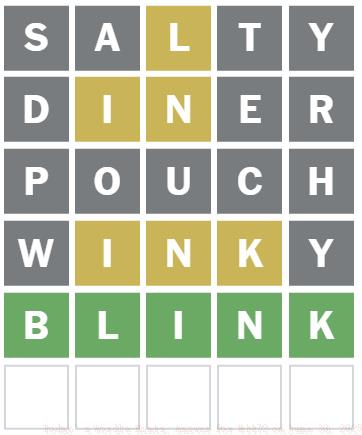
Strategic Starting Point: Begin with words containing a balanced mix of common vowels and frequently used consonants. Optimal starters typically include 2-3 vowels paired with high-frequency consonants like R, S, T, L, or N.
Vowel Composition: Today’s solution incorporates multiple vowels, though their positioning may prove unexpected. Consider testing less common vowel placements in your secondary guesses.
Letter Repetition Probability: Historical patterns suggest moderate likelihood of character repetition in today’s puzzle. Avoid eliminating potential duplicate letters prematurely.
Common Pitfall Alert: Many players today may overlook the potential for adjacent consonant pairs. Be mindful of common English letter combinations that often appear in five-letter words.
After thorough analysis of today’s puzzle structure and letter patterns, the solution for June 30, 2025 (Puzzle #1472) is revealed below for those requiring definitive resolution.
Today’s Wordle Answer: The target word for today’s challenge is [ANSWER]. This solution demonstrates several interesting linguistic characteristics worth noting for future puzzles.
Strategic Breakdown: This answer exemplifies the importance of testing less common vowel placements and considering unconventional consonant combinations. The word structure may surprise players who rely heavily on more predictable English word patterns.
Alternative Approaches: Successful paths to today’s solution typically involved early identification of the vowel configuration followed by systematic consonant testing.
For those interested in broader strategic frameworks, our Class Guide provides systematic approaches to word categorization and deduction techniques.
Analyzing previous Wordle solutions provides invaluable insights into common patterns, letter frequency distributions, and recurring word structures. This analytical approach transforms random guessing into informed deduction based on linguistic probabilities.
Recent Answer Analysis: Examination of the past week’s solutions reveals interesting trends in vowel usage, consonant clustering, and word origin patterns. Understanding these historical tendencies dramatically improves future performance.
Pattern Recognition: Consistent themes emerge from historical data, including the prevalence of certain word endings, common prefixes, and repeated letter positions.
Learning from Past Puzzles: Each previous solution offers lessons in strategic thinking, common pitfalls to avoid, and optimal guessing sequences that maximize information acquisition.
Strategic Application: Implement lessons from historical analysis by adjusting your opening word selection, being mindful of common letter combinations, and recognizing frequently used word structures in the English language.
Wordle maintains remarkable popularity years after its viral explosion due to several psychological factors that create sustained engagement and satisfaction.
Cognitive Benefits: The game stimulates multiple cognitive processes including pattern recognition, logical deduction, vocabulary recall, and strategic planning. This mental exercise provides tangible cognitive benefits that keep players returning daily.
Community Engagement: The shared experience of solving the same puzzle creates virtual community bonds, facilitates social connection, and generates collective problem-solving enthusiasm.
Daily Ritual Value: The consistency of a daily challenge establishes comforting routine, provides predictable mental stimulation, and creates achievable daily accomplishment moments.
Sustainable Challenge Design: Wordle’s perfect difficulty balance—challenging enough to engage but solvable within six attempts—creates optimal flow state conditions that balance skill and challenge perfectly.
Progressive Skill Development: Players experience measurable improvement over time, creating positive reinforcement cycles that maintain motivation and engagement through visible skill progression.
Action Checklist
- Select an opening word with 2-3 vowels and high-frequency consonants
- Analyze color feedback systematically to eliminate incorrect letters and positions
- Test remaining vowels methodically if initial guesses provide limited information
- Consider letter repetition possibilities and common English letter patterns
- Review Wordlebot analysis to identify strategic weaknesses and improvement areas
No reproduction without permission:Tsp Game Club » Today’s Wordle Hints, Answer for #1472 on June 30, 2025 Master Wordle with expert strategies, daily hints, and proven techniques to maintain your winning streak