
TL;DR
- Tokyo Beast combines 4v4 auto-battles with strategic team building and crypto rewards
- Master beast component synergy: Head (Leader), Body (Primary), Back (Secondary) skills
- Optimize team compositions for specific matchups and tournament formats
- Avoid common mistakes like poor leader selection and skill mismatches
- Maximize TGT cryptocurrency and BEAST RAWDISK earnings through strategic play
A comprehensive strategic guide covering everything you need to dominate Tokyo Beast’s competitive Xeno-Karate arena
Tokyo Beast represents the pinnacle of competitive strategy gaming, immersing players in the high-stakes world of Xeno-Karate where genetically engineered ‘Beasts’ clash in intense 4v4 automated combat. The core gameplay revolves around constructing synergistic team compositions, maximizing ability interactions, and making calculated tactical decisions to ascend the competitive ladder. Success in Tokyo Beast extends beyond mere leaderboard positioning, as elite competitors can acquire TGT cryptocurrency, exclusive BEAST RAWDISKs, and valuable digital assets through Championship events, Matchup competitions, and Arena showdowns.
With the official global release approaching and competitors vying for substantial prize pools, strategic preparation becomes paramount. We’re deconstructing every essential element to ensure you don’t merely participate in matches but strategically dominate them. Let’s begin your journey to mastery!
Tokyo Beast Strategic Domination Guide
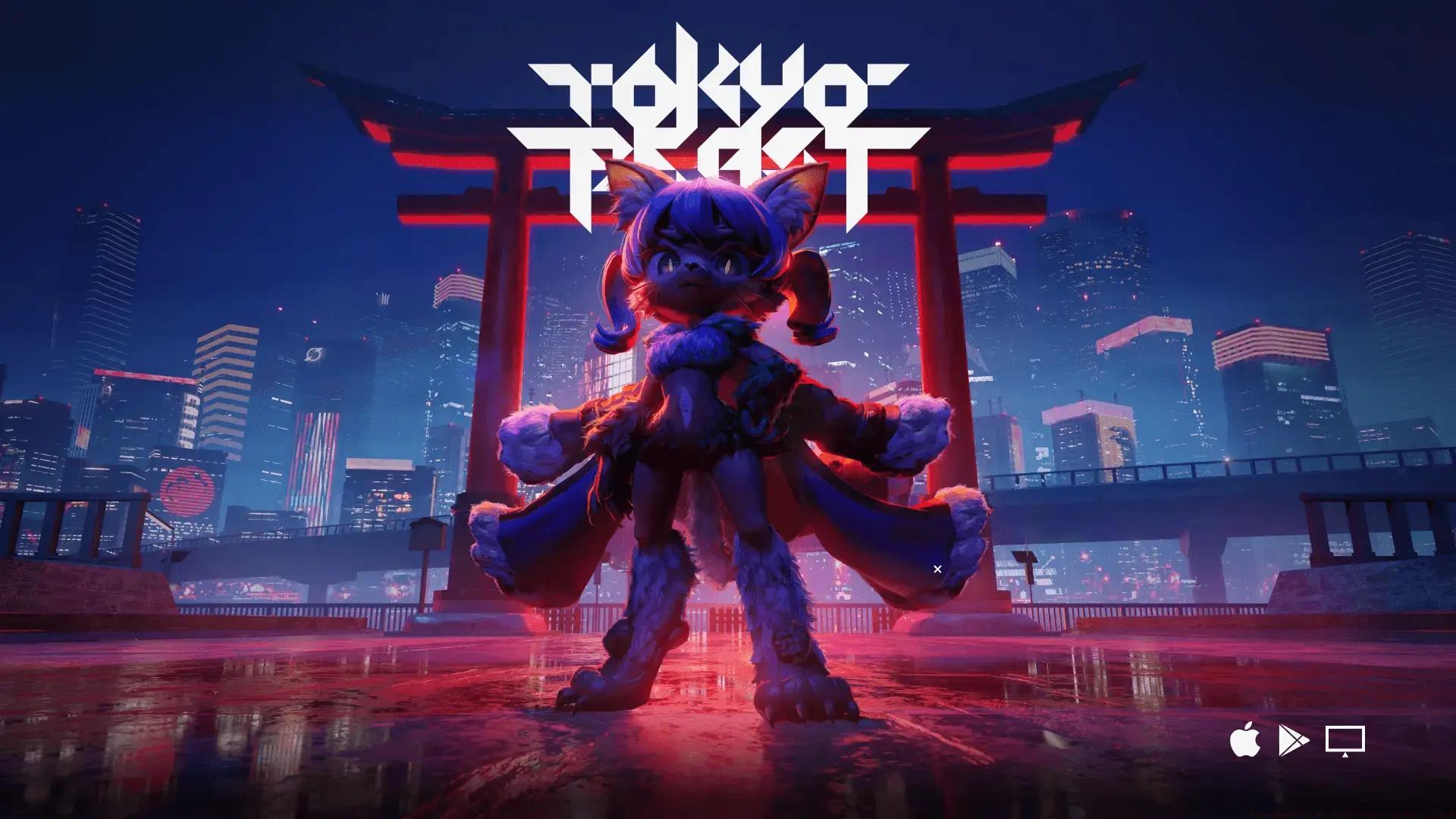
Tokyo Beast operates on a streamlined combat framework: your quartet of beasts engages an opposing four-beast squad in an auto-command engagement system. The victory condition is unambiguous: neutralize the enemy team by depleting their collective Health Points to zero. Each participant curates a four-beast roster, with every creature constructed from modular ability components that determine its combat capabilities and fighting approach. While the fundamental mechanics appear accessible initially, substantial strategic depth exists beneath the surface, providing tactical advantages to analytically-minded competitors.
Tokyo Beast Strategic Domination Guide

Every combatant in Tokyo Beast comprises four distinct anatomical components:
Constructing optimal team compositions requires understanding both individual beast capabilities and collective synergy. The most successful competitors analyze skill interactions before committing to specific combinations.

Strategic team assembly begins with identifying complementary ability types. Offensive beasts with high-damage Body skills pair effectively with supportive Back abilities that provide healing or buffs. Defensive creatures benefit from counter-attack Head skills when positioned as Leaders. The optimal approach involves creating balanced squads capable of handling diverse opponent strategies rather than specializing in单一战术.
Skill Synergy Optimization: The most overlooked aspect of team building involves sequencing activation timing. abilities that apply debuffs should precede damage-dealing skills, while defensive buffs perform best when activated before enemy assault waves. Mastering this timing dramatically increases combat effectiveness.

Leader Selection Tactics: Your Team Leader’s Head skill activates throughout the entire match, making this decision critically important. Avoid selecting Leaders based solely on statistical superiority; instead prioritize Head skills that provide ongoing team-wide benefits. Leadership abilities that enhance energy regeneration, provide passive healing, or apply persistent debuffs to enemies often outperform purely offensive options.
Advanced players frequently maintain multiple team compositions tailored to specific opponent types and tournament formats. Having specialized squads for offensive rush strategies, defensive endurance matches, and balanced general-purpose combat provides significant competitive flexibility.

Victory in Tokyo Beast requires more than strong team composition; it demands strategic adaptation to opponent tactics and resource management proficiency.

Matchup Analysis Techniques: Before committing to battle formations, analyze opponent beast types and likely skill combinations. Aggressive teams with multiple damage-focused beasts require defensive positioning and healing capabilities. Against control-oriented squads, prioritize abilities that cleanse debuffs or provide status immunity. The preparation phase often determines match outcomes before the first ability activates.
Resource Management: Tokyo Beast incorporates limited-use resources that regenerate over time. Strategic players conserve these resources for critical moments rather than expending them immediately. The most effective approach involves maintaining a resource reserve for countering opponent power spikes or securing elimination opportunities.

Rank Climbing Strategies: Consistent progression through competitive tiers requires understanding the meta-game cycle. Early season play typically features experimental compositions, making adaptability more valuable than optimized counter-building. As seasons progress, the meta stabilizes, allowing for targeted counter-strategies against popular compositions.
Tournament preparation differs significantly from ladder climbing. Championship formats often feature ban phases and predetermined match structures, requiring deeper roster development and flexibility. Maintaining at least six well-developed beasts provides tournament viability even when facing counter-picks.

Avoiding common mistakes separates competent players from true competitors. Understanding optimization principles accelerates skill development and reward acquisition.

Common Rookie Mistakes: New competitors frequently misallocate resources by investing equally across all beasts rather than focusing on core team members. Another prevalent error involves selecting Leaders based on personal preference rather than strategic value. The most costly mistake remains neglecting ability activation sequences, which can reduce damage output by 30-40%.
Advanced Positioning: While Tokyo Beast features auto-battles, positioning decisions during team formation influence targeting priorities and ability effectiveness. Tank-style beasts should occupy forward positions to absorb initial assaults, while support creatures benefit from protected placements. Understanding these subtle positioning influences provides marginal advantages that accumulate across multiple matches.
Reward Maximization: Beyond competitive success, Tokyo Beast offers substantial cryptocurrency and digital asset rewards. Focus participation on events matching your team’s strengths rather than pursuing every available opportunity. Championship events typically provide the highest TGT cryptocurrency yields but demand specialized preparation. Daily Matchups offer consistent BEAST RAWDISK acquisition with lower entry barriers.

The most successful Tokyo Beast competitors combine strategic depth with consistent execution. Mastery requires understanding both immediate battle tactics and long-term resource development. With these advanced techniques, you’re prepared not just to play, but to dominate the Xeno-Karate arena.
Action Checklist
- Analyze beast component synergies before team building
- Test multiple Leader selections in practice matches
- Develop specialized teams for different tournament formats
- Master ability activation sequences for maximum damage output
- Optimize reward farming through strategic event participation
No reproduction without permission:Tsp Game Club » Tokyo Beast Guide: The Ultimate Beginner’s Guide Master Tokyo Beast with advanced Xeno-Karate strategies, team compositions, and crypto reward optimization techniques