
TL;DR
- Video game mothers represent diverse expressions of maternal love, from silent strength to fierce protection
- Characters like Maria Auditore and Delia demonstrate how quiet resilience can be as powerful as overt action
- Protective figures like Yennefer and Caterina Sforza show maternal love as an active, fighting force
- Even flawed or villainous mothers reveal universal truths about the nature of caregiving
- These digital maternal figures provide valuable insights into real-world parenting dynamics
Video games transcend mere entertainment, creating immersive digital sanctuaries where players form deep emotional connections. Within these vibrant worlds, maternal figures emerge as anchors of stability and sources of profound wisdom. Their diverse portrayals reflect the complex realities of motherhood across cultures and contexts.
As we celebrate maternal bonds, gaming’s virtual mothers offer unique perspectives on caregiving. From gentle nurturers to fierce protectors, these characters demonstrate how maternal influence shapes character development and narrative depth. Their stories resonate because they mirror our own experiences with parental figures.
Understanding these character archetypes enhances appreciation for storytelling craftsmanship. Game developers carefully design maternal roles to evoke specific emotional responses and support character arcs.
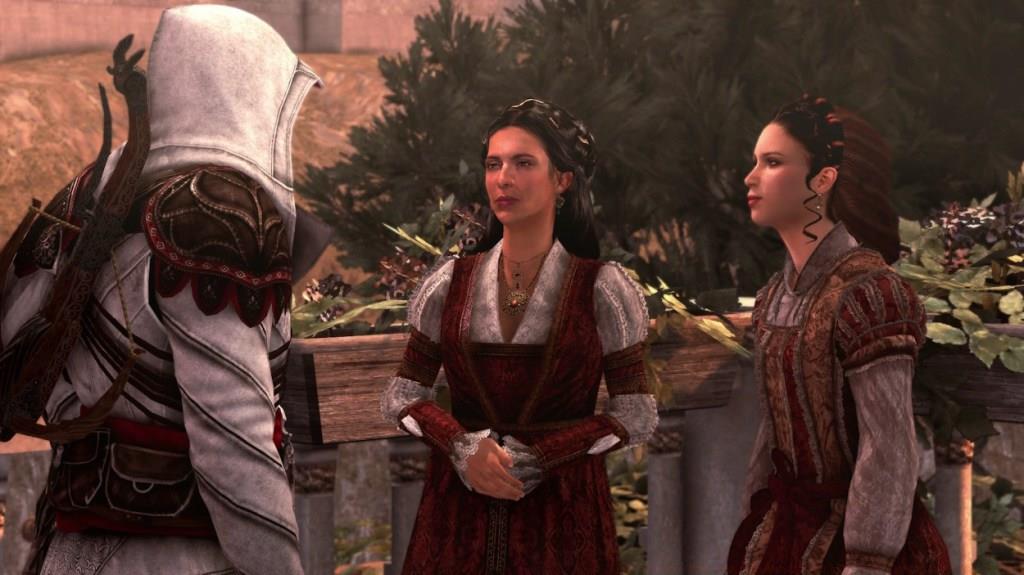
Maria Auditore from Assassin’s Creed II exemplifies quiet resilience. Following devastating family tragedy, she maintained emotional stability that anchored her children’s tumultuous lives. Her silent endurance through the trilogy demonstrates that maternal strength often manifests through presence rather than action.
Game design insight: Developers use characters like Maria to provide emotional grounding points. These figures allow protagonists to develop while maintaining connection to their origins. Her character arc teaches that rebuilding after loss requires both time and steadfast support.
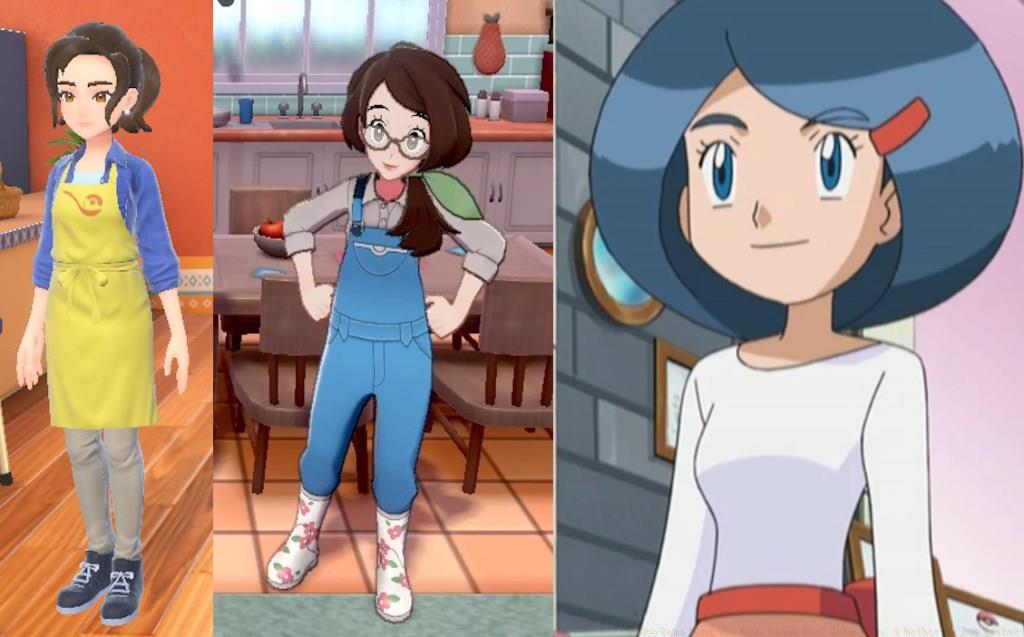
Delia Ketchum represents the universal gaming mother archetype. Her consistent presence in Pallet Town provides emotional security through simple gestures: prepared meals, encouraging words, and unwavering belief in her child’s dreams.
Practical observation: Pokémon’s maternal design creates immediate player familiarity. This consistent characterization across games establishes comforting predictability, mirroring real-life maternal consistency.
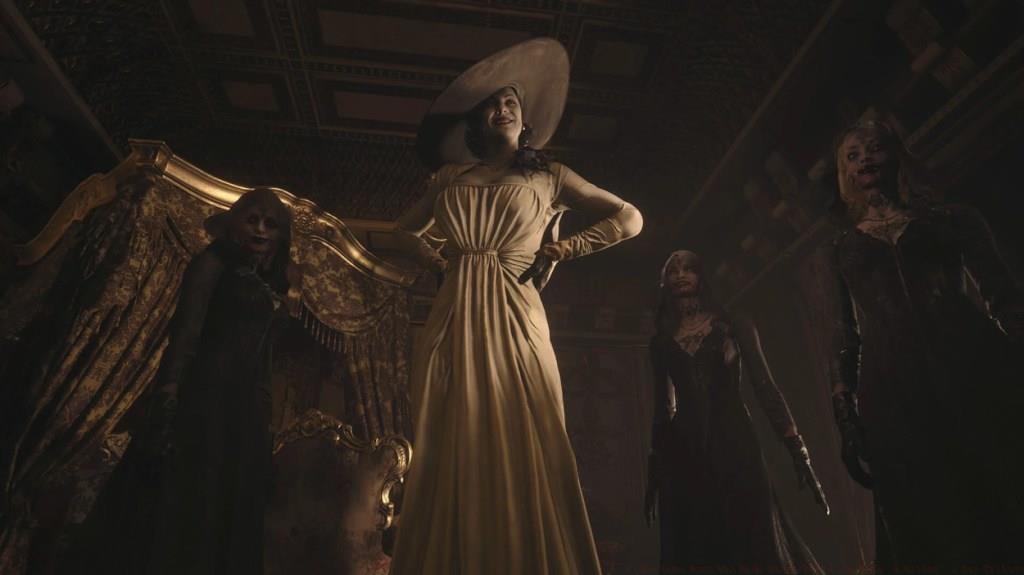
Lady Dimitrescu challenges conventional maternal portrayals. Her fiercely maternal yet twisted and possessive love demonstrates that protection instincts can manifest in complex, even disturbing ways.
Character analysis tip: Understanding villainous maternal figures requires examining their protective motivations. Even distorted maternal love reveals universal caregiving impulses.
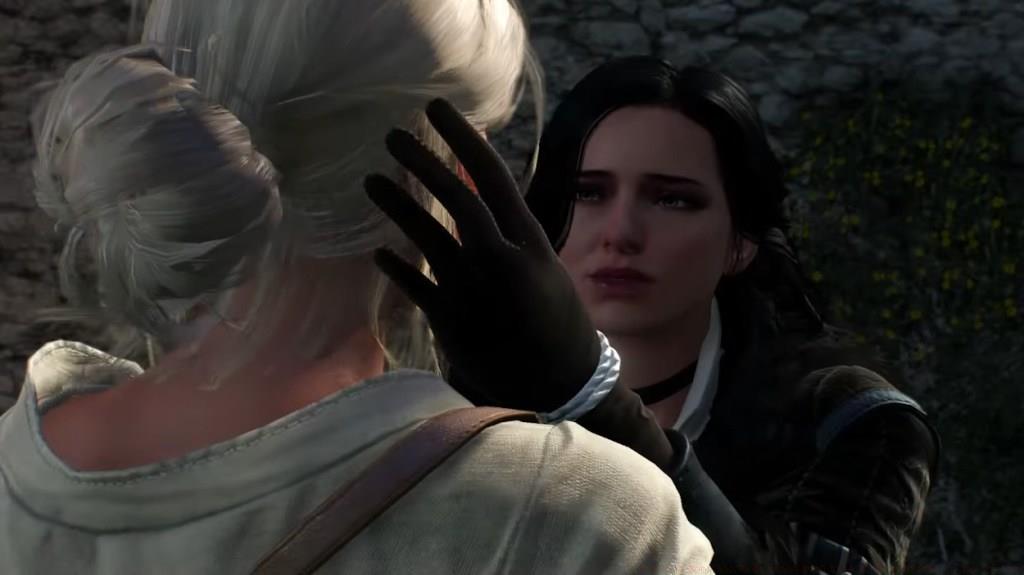
Yennefer of Vengerberg from The Witcher series embodies active maternal protection. Her relationship with Ciri combines mentorship with fierce defense, demonstrating that maternal love can be both nurturing and demanding.
Relationship dynamics: Yennefer’s complicated nature serves narrative purpose. Her imperfections make maternal devotion more authentic and relatable to players with complex family backgrounds.
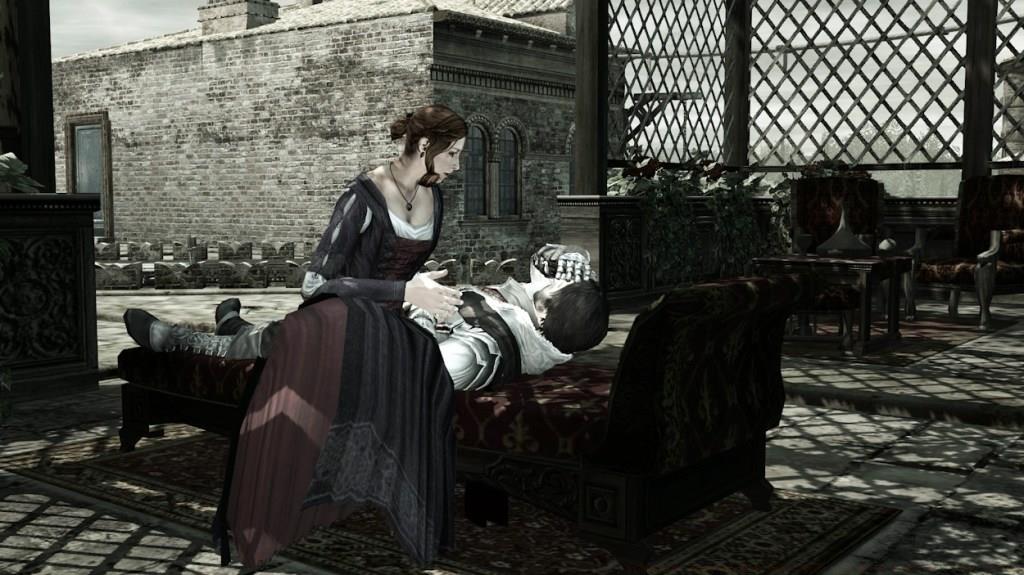
Caterina Sforza represents maternal authority and political strength. Her famous defiance against the Orsi brothers—”Bastardi! You think you can threaten me? I’ll give you NOTHING! You want my children? Take them! I have the instrument to make more!—demonstrates how maternal protection extends beyond physical safety to include legacy and principle.
Historical context: Caterina’s characterization draws from documented historical resilience. Game writers amplify real traits to create memorable maternal figures that inspire through historical precedent.
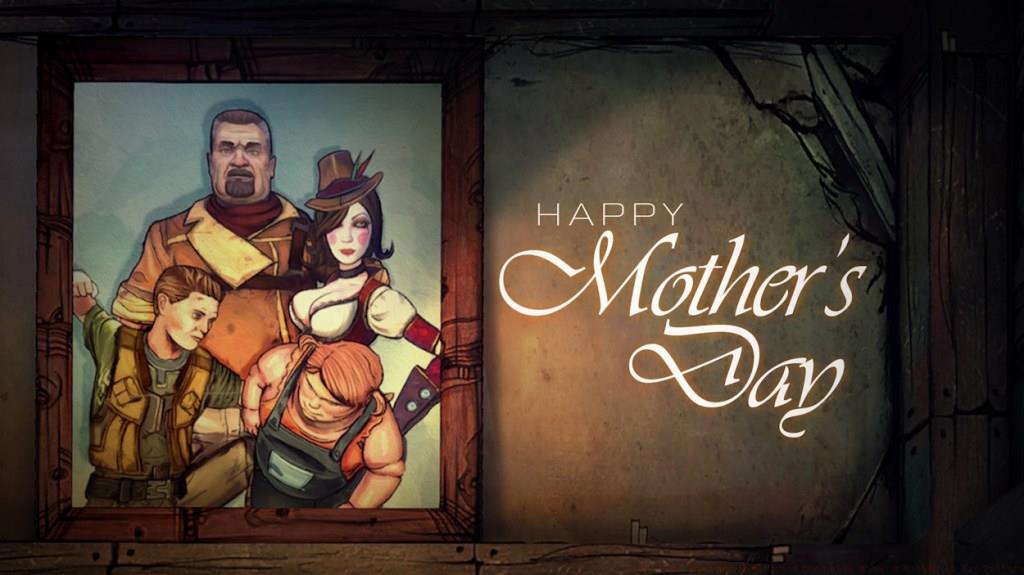
Mad Moxxi from Borderlands introduces another dimension: the imperfect caretaker. Her maternal instincts coexist with personal flaws, creating a more realistic portrayal of parenting challenges.
Common narrative mistake: Players often overlook flawed maternal figures as less significant. In reality, these characters often provide the most authentic representations of real-world parenting struggles.
Practical gaming insight: Recognizing maternal archetypes enhances story appreciation. When playing narrative-driven games, watch for how maternal figures influence protagonist development and plot progression.
These diverse maternal portrayals collectively demonstrate that strength manifests in multiple forms. Silent endurance, active protection, and flawed devotion all represent valid expressions of maternal love that shape both virtual characters and player perspectives.
For deeper understanding of character development in gaming narratives, explore our Class Guide which explores how different character types serve narrative functions.
Action Checklist
- Identify maternal archetypes in your current games and analyze their narrative function
- Compare silent protectors (like Maria) with active defenders (like Yennefer)
- Note how maternal figures influence protagonist development arcs
- Document how game developers use maternal characters as emotional anchors
No reproduction without permission:Tsp Game Club » Video Game Moms Who Made Games Feel Like Home: A Mother’s Day Tribute Exploring the profound impact of video game mothers from silent strength to fierce protection