
Exploring Mafia The Old Country’s Sicilian origins, gameplay mechanics, and historical authenticity in early 1900s setting
Introduction to Mafia The Old Country
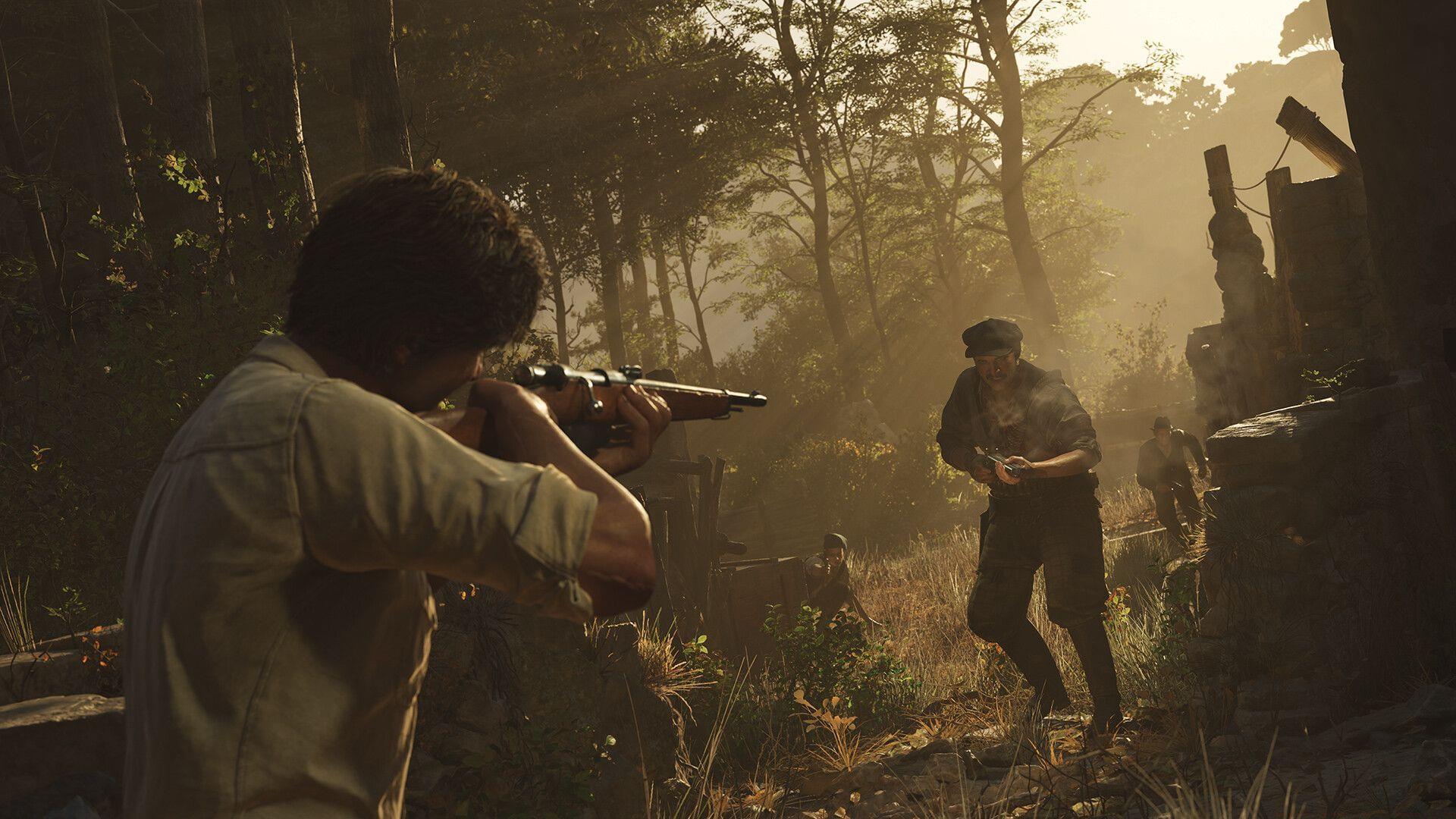
Mafia The Old Country transports gamers to the tumultuous early 1900s era in Sicily, marking a significant departure from previous franchise installments. Rather than continuing with established American organized crime narratives, this prequel delves deep into the foundational years of Mafia culture within the fictional Sicilian settlement of San Celeste. Veterans of the series might recognize this location from its brief appearance during Mafia II’s introductory sequences, though now it serves as the primary setting for an entirely new narrative experience.
Protagonist and Character Development
The central character Enzo Favara begins his arduous journey within the brutal environment of Sicilian sulfur mines, representing one of the most challenging starting points in gaming narratives. These mining operations employed indentured labor systems where both juvenile and adult workers endured extreme physical exploitation with minimal compensation. From these humble and oppressive beginnings, the storyline meticulously chronicles Favara’s calculated ascent through the hierarchical structure of the Torrisi criminal organization, the dominant underworld power in San Celeste. This narrative framework deliberately avoids American dream tropes, instead concentrating on fundamental survival mechanics, adherence to traditional codes, and the complex dynamics of familial authority structures.
This foundational approach generates a distinctly more intimate and visceral narrative atmosphere throughout the gaming experience. Players will navigate through deteriorating village pathways, engage with centuries-old cultural practices, and witness uncompromising forms of street-level justice rather than experiencing glamorous robbery sequences or upscale entertainment venues characteristic of later Mafia eras.
Combat Systems and Historical Weaponry
Despite its historical early 20th-century placement, Mafia The Old Country presents violence with unflinching realism according to ESRB classification details. The gameplay arsenal includes historically accurate weaponry such as bladed instruments for covert assassinations, various pistol models, period-appropriate rifles, shotgun variants, and explosive devices – ensuring combat remains engaging while maintaining historical authenticity. These armaments align perfectly with the game’s more focused, narrative-driven structure that echoes the design philosophy of earlier Mafia titles rather than the expansive open-world approach seen in later iterations.
Stealth enthusiasts will appreciate confirmed mechanics allowing for shadow-based eliminations using stabbing techniques. The ESRB evaluation specifically mentions detailed blood-spatter visual effects, authentic firearm audio design, and realistic blood pool formations beneath deceased characters, indicating the developers have not moderated the visceral impact of violent encounters.
Game Structure and Design Approach
The development team has deliberately chosen a cinematic, linearly-structured experience reminiscent of the original Mafia and its sequel, diverging from the open-world framework implemented in Mafia III. This design decision facilitates more tightly crafted storytelling and carefully paced narrative progression, allowing deeper exploration of character motivations and historical context. The constrained environment of early 1900s Sicily enables developers to create highly detailed locations rich with period-accurate architecture, clothing, and social dynamics that might be diluted in larger open-world settings.
Continue reading — Mafia The Old Country release date seemingly set, according to leak
Advanced Gameplay Strategies and Historical Context
For players seeking to maximize their experience with Mafia The Old Country, understanding the historical context provides significant gameplay advantages. The sulfur mining sequences likely incorporate survival mechanics requiring resource management and strategic decision-making under oppressive conditions. Mastering stealth approaches becomes crucial in early game segments where firearms may be scarce or attract unwanted attention from authorities.
Common mistakes include underestimating the social dynamics within the Torrisi family hierarchy – advancing too rapidly or showing disrespect to senior members could have narrative consequences. The linear structure means players should thoroughly explore each environment before progression, as backtracking opportunities may be limited. The historical setting suggests melee combat will be more prevalent than in previous titles, making close-quarters combat proficiency essential.
Advanced players should pay close attention to environmental storytelling elements that provide context for Favara’s motivations and the socioeconomic conditions driving criminal enterprises in this era. The weapon limitations of the period encourage creative problem-solving rather than brute force approaches, with stealth and strategic positioning offering advantages over direct confrontation in many scenarios.
Additional Gaming Coverage
Check out more articles on Sportskeeda:
No reproduction without permission:Tsp Game Club » What year is Mafia The Old Country set in? Exploring Mafia The Old Country's Sicilian origins, gameplay mechanics, and historical authenticity in early 1900s setting