
Unraveling the complex antagonist dynamics and ritual mechanics in Clair Obscur: Expedition 33 RPG
Introduction to Clair Obscur: Expedition 33’s World
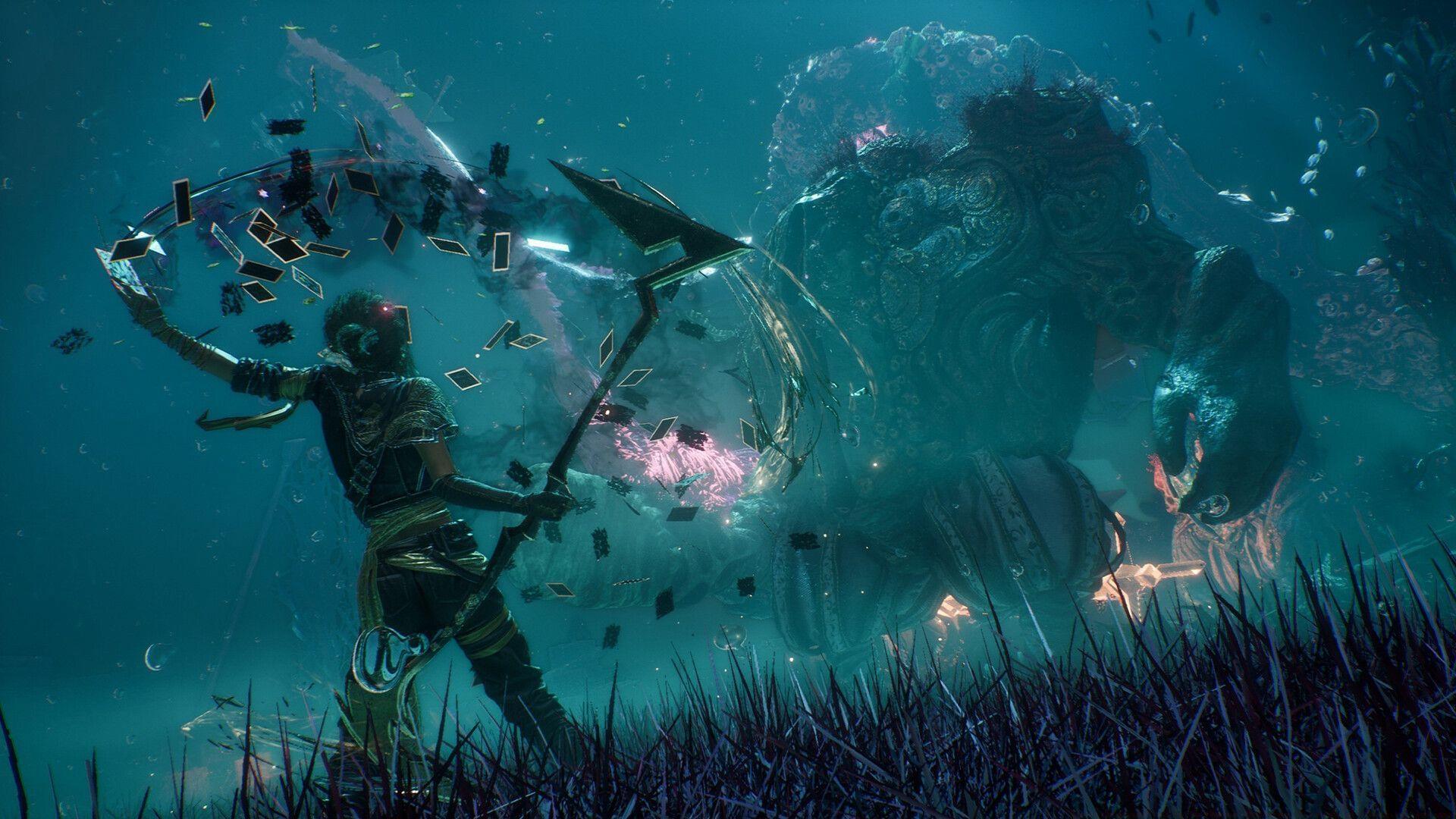
Clair Obscur: Expedition 33 stands out in the RPG landscape through its intricate narrative design and strategic combat systems that demand careful planning from players. The game transports adventurers to the isolated island realm of Lumière, where society operates under the constant threat of an annual ceremony called Gommage. This mysterious event involves a spectral being known as the Paintress marking a specific numeral onto an enormous stone structure each year, resulting in the abrupt disappearance of every person reaching that particular age.
The game’s rich environmental storytelling and character development create a compelling backdrop for exploring complex themes of sacrifice, morality, and the nature of reality itself. Players must navigate this dangerous world while uncovering the truth behind the ritual and the powerful beings who control it.
The Gommage Ritual and Fracture Event Origins
Critical to understanding Clair Obscur: Expedition 33’s narrative is recognizing that the Gommage ceremony predates Renoir’s transformation into an immortal entity. This annual ritual originated following a cataclysmic occurrence called the Fracture, which shattered the conventional world and imprisoned Lumière’s inhabitants within an unstable dimensional plane referred to as the Canvas. The initial Paintress manifestation emerged post-Fracture and initiated the Gommage practice to prevent total dimensional collapse.
The Fracture event represents one of the game’s most crucial world-building elements, explaining why characters must operate within the Canvas’s artificial constraints. This background knowledge significantly enhances player immersion and helps contextualize the difficult choices faced by both NPCs and player characters throughout the campaign.
From a gameplay perspective, understanding the Fracture’s implications can help players anticipate certain environmental hazards and narrative twists. The unstable nature of the Canvas reality means players should always be prepared for sudden changes in terrain, unexpected enemy appearances, and reality-shifting mechanics that affect combat strategies.
Renoir’s Transformation and Immortality
Through careful exploration and story progression, players uncover that Renoir served as commanding officer of the inaugural mission designated Expedition 00. After arriving on the central landmass, both he and fellow explorer Verso attained eternal life through unknown means. While Verso adopted an indifferent stance toward their newfound immortality, Renoir developed a compulsive fixation on maintaining the fabricated existence within the Canvas dimension.
Renoir’s character arc exemplifies the corruption that absolute power can foster, even when initially well-intentioned. His descent from expedition leader to reality-manipulating antagonist provides one of the game’s most compelling character studies. Players should pay close attention to environmental clues and NPC dialogues referencing Expedition 00, as these often contain hints about Renoir’s weaknesses and potential strategies for countering his abilities.
Verso’s contrasting response to immortality offers players an alternative philosophical perspective that becomes increasingly relevant during later game decisions. Understanding the fundamental differences between these two immortal characters can significantly impact how players approach key narrative choices and alliance decisions.
Paintress: Protector or Villain?
Renoir pursues dominance over this artificially constructed dimension, willing to sacrifice innumerable lives to achieve his goals. Conversely, the Paintress functions as essentially a guardian entity who initially performed the ritual solely to preserve cosmic equilibrium, but now additionally conducts it to obstruct Renoir’s takeover ambitions. Her severe actions, which claim numerous innocent lives annually, represent desperate measures to protect Lumière’s population from the White-haired Man’s perilous schemes.
This moral complexity represents one of Clair Obscur: Expedition 33’s standout narrative achievements. The Paintress forces players to grapple with difficult ethical questions about necessary sacrifices versus outright villainy. Her character challenges conventional RPG antagonist tropes by embodying both protective and destructive qualities simultaneously.
Aline’s yearly artistic ritual operates as a containment mechanism that blocks Renoir from harnessing infinite souls, effectively imprisoning him while protecting reality. The Gommage ceremony ultimately represents an intricately nuanced and morally ambiguous protective measure for Lumière’s island inhabitants. Players must decide for themselves whether the Paintress’s methods constitute necessary evil or unforgivable atrocity.
Strategic Implications for Players
For optimal gameplay experience in Clair Obscur: Expedition 33, players should approach the central conflict with strategic awareness of how the game’s lore impacts practical decision-making. Understanding the delicate balance between the Paintress’s protective rituals and Renoir’s reality-manipulating ambitions can significantly enhance both narrative engagement and combat effectiveness.
Practical Gameplay Tips:
- Always investigate environmental clues about Expedition 00 members to uncover hidden weaknesses against immortal enemies
- Pay close attention to calendar events and age-related NPC dialogues to anticipate potential Gommage ritual targets
- Develop flexible combat strategies that account for sudden reality shifts within the Canvas dimension
- Balance character development between combat prowess and investigative skills to fully uncover the story
Common Player Mistakes to Avoid:
- Don’t underestimate the strategic importance of lore exploration – many gameplay advantages come from story understanding
- Avoid making hasty moral judgments about characters – the ethical complexity often reveals itself gradually
- Don’t ignore seemingly minor NPC dialogues – these often contain crucial hints about upcoming ritual events
- Avoid specializing in only one combat style – the game’s reality-shifting mechanics require adaptability
Advanced Optimization Strategies:
- Time your major explorations to avoid being caught in reality instability periods following ritual events
- Develop character relationships strategically – certain alliances provide unique insights into both antagonists
- Experiment with different approaches to ritual-related quests – multiple outcomes often exist
- Master the break system mechanics, as these become increasingly crucial when facing reality-warping enemies
No reproduction without permission:Tsp Game Club » Who is the main villain in Clair Obscur: Expedition 33? Antagonist’s identity, explained Unraveling the complex antagonist dynamics and ritual mechanics in Clair Obscur: Expedition 33 RPG