
Exploring Lord Saito’s complex motivations in Ghost of Yotei and the moral ambiguity driving Atsu’s revenge quest
The Foundation of Revenge: Atsu’s Burning Motivation
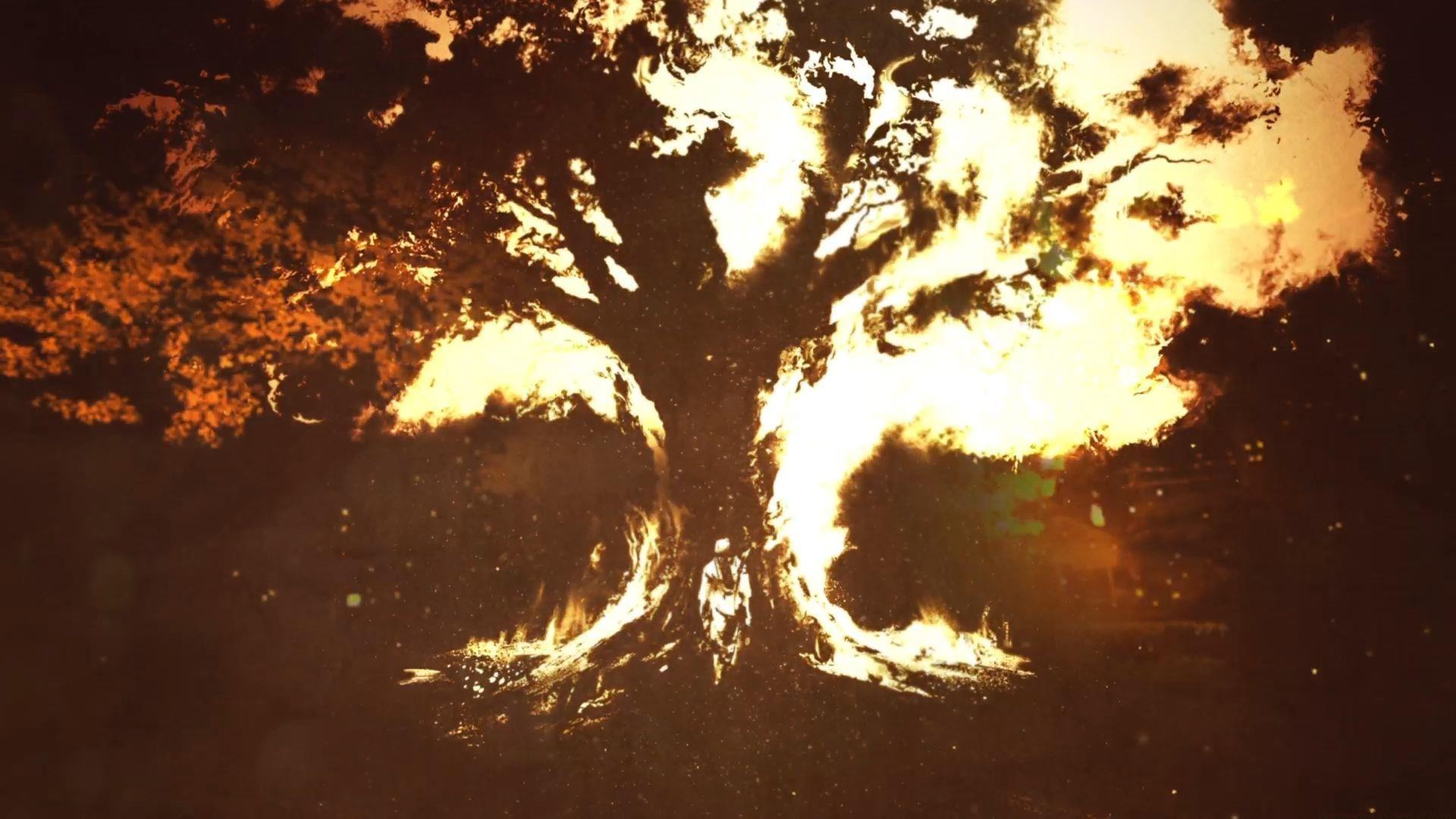
The annihilation of Atsu’s family by Lord Saito creates the emotional core driving Ghost of Yotei’s narrative. Following sixteen years of preparation, our protagonist returns to Ezo with singular focus: eliminating the Yotei Six responsible for her family’s destruction. The game powerfully establishes this motivation through visual storytelling, showing Atsu meticulously inscribing her targets’ names onto a ceremonial sash that becomes her constant companion throughout the journey.
Strategic Insight: Pay close attention to how Atsu’s interactions with the sash evolve throughout the game, as it serves as both a practical tool and emotional anchor for her quest.
Also Read: Ghost of Yotei review
Looking for Crossword hints & solutions? Check out latest NYT Mini Crossword Answers, LA Times Crossword Answers, and Atlantic Crossword Answers
Saito’s Perspective: The Betrayal That Shattered a Clan
Within the Lord Saito Missive titled Saito on Betrayal, players gain crucial insight into the antagonist’s rationale. This document reveals Saito’s personal interpretation of events, though players must approach it with critical awareness of its inherent bias.
Kengo’s decision to abandon the clan didn’t occur in isolation—it resulted directly from Saito’s own authoritarian actions and policies. However, dismissing Saito’s account entirely would be a narrative mistake, as his perspective reveals genuine trauma from the betrayal’s consequences. The psychological impact on Saito extended beyond political embarrassment to profound personal devastation affecting his entire household.
Common Mistake: Many players initially view Saito as purely villainous, missing the nuanced portrayal of a leader grappling with the collapse of his authority and family stability.
Advanced Analysis: Compare Saito’s missive with other in-game documents to identify inconsistencies and biases in the historical record.
The Spider’s Revelation: Uncovering Family Tragedy
During the game’s climactic sequences following the Dragon’s demise, Saito captures Jubei and Oyuki, forcing Atsu to seek information from the Spider. This encounter occurs at the Saito family burial grounds, where the Spider honors his deceased brother.
The conversation takes an unexpected turn when Atsu notices a particular grave marker. The Spider identifies it as their sister’s resting place, then reveals the devastating truth: she perished from starvation directly resulting from Kengo’s betrayal and departure. This revelation shocks Atsu, prompting an unplanned apology that demonstrates her growing understanding of the conflict’s complexity.
Gameplay Strategy: During this conversation sequence, pay attention to Atsu’s facial expressions and body language animations—they subtly convey her shifting perspective on the revenge quest.
Narrative Technique: The graveside setting intentionally creates somber atmosphere while symbolizing how past actions continue to haunt the present.
Dual Motivations: Personal Loss and Political Statement
Lord Saito’s vengeance against Atsu’s family operates on two distinct yet interconnected levels in Ghost of Yotei. The personal dimension stems from his daughter’s tragic death from starvation, a direct consequence of Kengo’s abandonment. Simultaneously, the political dimension serves as a calculated demonstration of power designed to prevent future insubordination.
The Night of the Burning Tree wasn’t merely punishment—it was theatrical governance intended to establish absolute authority through fear. Saito couldn’t psychologically process the humiliation and devastating personal cost of the betrayal, leading to this extreme response that blended personal vengeance with political strategy.
Psychological Profile: Saito exemplifies how trauma can transform leadership methods, with personal loss becoming intertwined with governance decisions.
Historical Context: Research feudal Japanese clan dynamics to better understand the cultural expectations Saito felt compelled to enforce.
Moral Complexity in Ghost of Yotei’s Narrative
Does Saito’s personal tragedy justify the horrific actions taken against Atsu’s family? The game deliberately avoids providing simple answers, instead presenting a morally ambiguous scenario where multiple perspectives contain elements of truth.
Ghost of Yotei excels at rejecting binary morality, forcing players to confront uncomfortable questions about revenge, justice, and the cyclical nature of violence. The narrative acknowledges Saito’s genuine suffering while never excusing his brutal response, creating rich thematic depth rarely seen in action games.
Player Reflection: Consider how your perception of Saito evolves throughout the game—this character development represents one of Ghost of Yotei’s greatest narrative achievements.
Thematic Analysis: The game explores how trauma begets trauma, with each character becoming both victim and perpetrator in different contexts.
The accounts presented throughout Ghost of Yotei consistently resist simple categorization, instead offering players a nuanced exploration of how perspective shapes our understanding of justice and revenge.
No reproduction without permission:Tsp Game Club » Why did Saito kill Atsu’s family in Ghost of Yotei? Exploring Lord Saito's complex motivations in Ghost of Yotei and the moral ambiguity driving Atsu's revenge quest