
TL;DR
- GTA 6’s delay to 2026 provides Rockstar with unprecedented development time to create simultaneous PC and console versions
- Rockstar’s historical release patterns show increasingly longer gaps between titles, making this delay particularly significant
- The technical infrastructure already exists for PC development, making platform exclusion a business decision rather than technical limitation
- Successful simultaneous launches by other major studios demonstrate the viability of day-one multi-platform releases
- Despite logical arguments, Rockstar’s established double-dip revenue strategy makes immediate PC release unlikely
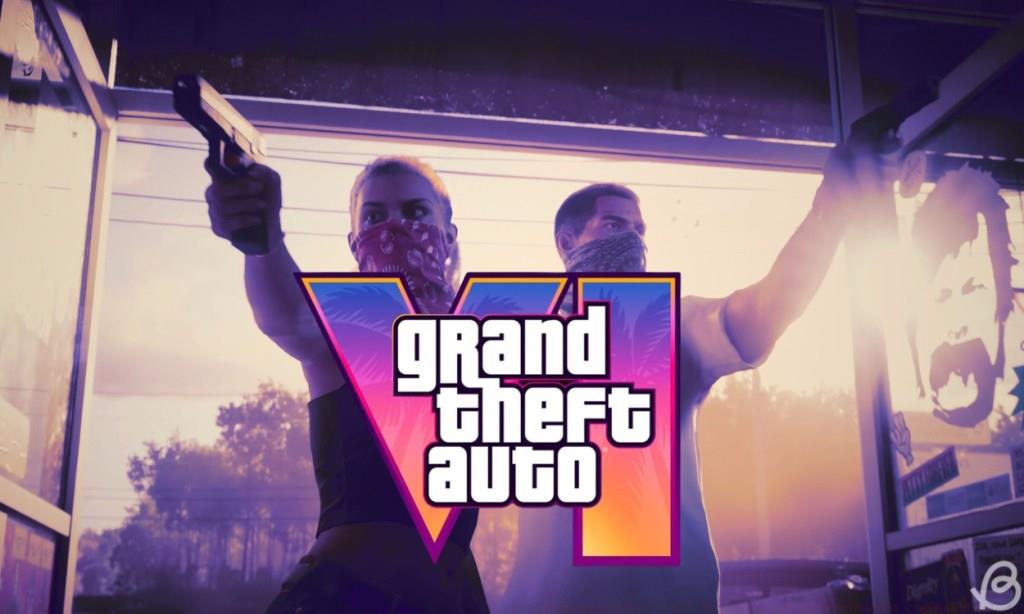
The gaming community experienced a dramatic emotional whiplash when Rockstar announced GTA 6’s delay. On May 2nd, anticipation had reached fever pitch with release indicators showing 77% completion—a number that suggested we were approaching the finish line. Then came the abrupt social media announcement that reset expectations completely, plunging community sentiment from optimistic to disillusioned.
This development timeline disruption highlights a critical question about Rockstar’s obligations to its player base. After enduring extended periods of development silence, many dedicated fans feel the studio owes them greater accessibility. A simultaneous PC release would demonstrate genuine respect for the platform that hosts their development process.
Understanding Rockstar’s historical approach requires examining their evolving business model. The studio has systematically shifted from rapid franchise iterations to monumental single releases spaced years apart. This strategic change reflects both increased development complexity and calculated market positioning.
Grand Theft Auto’s development history reveals two distinct eras. The early 2000s saw astonishingly rapid iterations: GTA III (2001), Vice City (2002), and San Andreas (2004) delivered groundbreaking experiences in quick succession. This production cadence created tremendous franchise momentum and established Rockstar as an industry innovator.
The transition to high-definition gaming marked a pivotal shift. GTA IV arrived four years after San Andreas, beginning the pattern of extended development cycles. GTA 5 required over five years, and now GTA 6 is tracking toward an unprecedented 13-year gap between mainline entries.
To contextualize this lengthy development period: it spans from infancy to teenage years, encompasses Skyrim’s multiple re-releases, and covers Cyberpunk 2077’s entire lifecycle from announcement through disastrous launch to acclaimed redemption arc. This timeframe represents nearly a generation of gaming evolution.
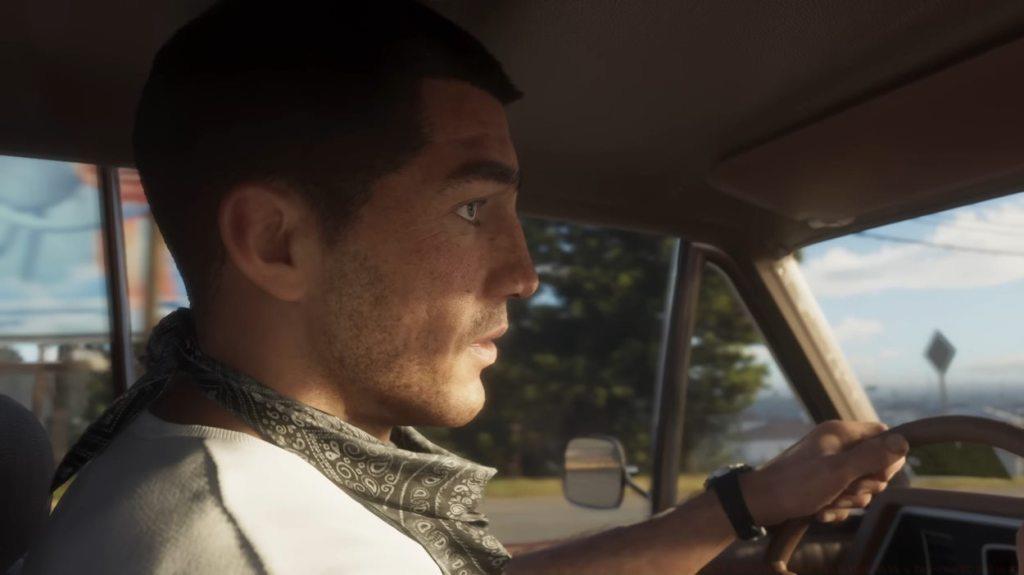
While Rockstar delivered the masterpiece Red Dead Redemption 2 and continuously expanded GTA Online during this period, 13 years remains an extraordinary gap for a new installment in gaming’s most valuable franchise. The additional delay pushing GTA 6 into 2026’s second quarter creates an ideal scenario for comprehensive platform development.
The exclusion of PC as a day-one platform represents a perplexing strategic decision. Modern game development predominantly occurs on high-end PC workstations, with assets and systems optimized for the platform throughout creation. Denying simultaneous access appears more rooted in legacy business practices than technical constraints.
PC hardware’s raw power and scalability advantages would showcase GTA 6’s expansive open world at its maximum potential. The platform’s capabilities align perfectly with Rockstar’s ambition to deliver unprecedented visual fidelity and simulation complexity.
Console-focused development does offer certain optimization benefits. Concentrating on PlayStation 5 and Xbox Series X/S specifications allows for targeted performance tuning. However, this single-platform approach increasingly appears anachronistic in today’s multi-platform gaming landscape.
Recent industry examples demonstrate simultaneous multi-platform launches are entirely feasible for ambitious titles. Elden Ring and Kingdom Come: Deliverance 2 achieved this successfully, proving that technical hurdles can be overcome with proper planning and resources.
The extended development timeline provides Rockstar with a strategic window to modernize their release strategy. Adopting day-one PC availability would generate monumental revenue while validating the platform’s significance in their development ecosystem.
Despite compelling arguments for simultaneous release, Rockstar’s established patterns suggest continued platform staggering. Historical precedent shows GTA 5’s PC version arrived 18 months post-console, while Red Dead Redemption 2 reached Steam approximately one year later.
If this delayed approach prevents developer crunch and ensures higher quality, it represents a morally defensible position. Team welfare should always supersede release timing considerations in ethical development practices.
Many industry observers believe the delayed PC strategy serves a calculated financial purpose. The “double-dip” approach generates secondary revenue spikes as PC players purchase the game following initial console release—sometimes even buying twice across platforms.
This business model, while frustrating for dedicated PC gamers, has proven financially successful across multiple Rockstar releases. The strategy maximizes lifetime revenue per title through staggered market penetration.
While not consumer-friendly, this approach demonstrates shrewd business acumen. The additional development time created by the 2026 delay theoretically provides opportunity for change, but Rockstar’s track record suggests they’ll maintain their profitable established pattern.
Action Checklist
- Monitor official Rockstar communications for platform announcement updates
- Evaluate your PC hardware against expected system requirements
- Research performance optimization techniques for Rockstar’s RAGE engine
- Plan budget allocation for potential dual-platform purchase scenarios
- Join community tracking initiatives to stay informed about development progress
No reproduction without permission:Tsp Game Club » With GTA 6 Delayed to 2026, Will Rockstar Break Tradition with a Day-One PC Release? Why GTA 6's delayed release creates the perfect window for simultaneous PC and console launch