
TL;DR
- 2XKO features 10 distinct ranks with 100 RP per tier and performance-based matchmaking
- Placement matches determine initial rank with significant long-term progression implications
- Demotion protection shields recent promotions while duo queue has strategic rank restrictions
- The rematch system enables immediate adaptation and learning from previous encounters
- Closed beta includes exclusive rewards and serves as testing ground for ranked mechanics
Excel in 2XKO’s competitive ecosystem by mastering the intricate ranking architecture that combines familiar Riot systems with fighting game-specific innovations. This comprehensive framework rewards technical execution, strategic adaptation, and consistent performance across diverse matchups.
Prepare to demonstrate your combat prowess in 2XKO’s structured competitive environment. Riot’s latest fighting title implements a sophisticated ranking mechanism that emphasizes skill demonstration, matchup knowledge, and tactical decision-making. Whether you’re transitioning from other fighting games or approaching ranked combat for the first time, comprehending the ladder’s operational principles provides substantial competitive leverage against unprepared opponents.
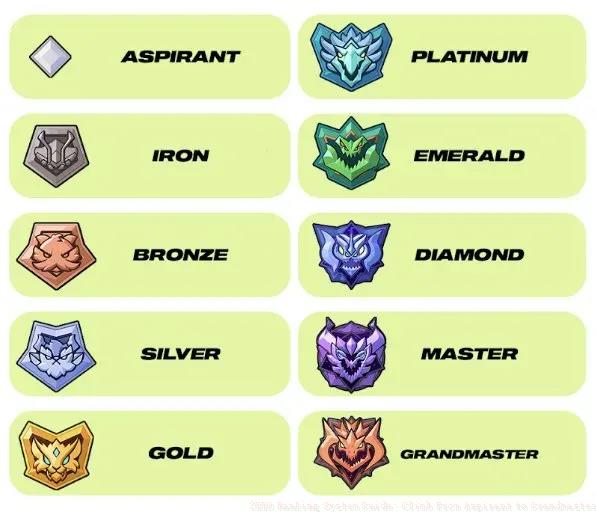
2XKO employs a meticulously designed tier progression framework that shares DNA with successful Riot competitive titles while incorporating fighting game-specific calibrations. Competitors advance through 10 carefully defined rank tiers, each representing distinct skill thresholds and technical mastery levels.
2XKO: Comprehensive competitive system analysis
Only the elite 500 Grandmaster combatants qualify for Challenger rank, establishing it as the most prestigious competitive tier within 2XKO’s ecosystem.
Your competitive advancement hinges entirely on Ranked Points (RP), the fundamental measurement unit governing your position within each competitive tier. This performance-based economy operates through several interconnected mechanisms:
- Every tier division demands 100 RP accumulation for advancement
- Victorious matches award RP while defeats incur RP deductions
- RP fluctuations correlate directly with performance metrics and opponent comparative skill assessment
- Achieving 100 RP within Tier III automatically promotes competitors to Tier I of the subsequent rank
Advanced Insight: RP gains incorporate hidden performance multipliers based on combat efficiency, combo execution, and defensive metrics. Exceptional performance against higher-ranked opponents can yield up to 150% bonus RP, while narrow victories against lower-ranked players may provide reduced gains.
Common Pitfall: Many competitors fixate exclusively on win/loss records while neglecting performance metrics. Consistent technical execution and adaptive gameplay often yield better long-term RP accumulation than sporadic victory streaks with poor fundamental performance.
Initial placement matches establish your competitive starting position through sophisticated skill assessment algorithms. These inaugural 10 matches carry disproportionate weight in determining your seasonal trajectory and should be approached with strategic preparation.
Placement Optimization Strategy: During placement phases, the system evaluates fundamental mechanics mastery, adaptation speed, and matchup proficiency. Diversifying your character selection demonstrates broader game knowledge but mastering 2-3 characters typically yields better placement results than random character cycling.
Performance Metrics Tracked: Placement algorithms analyze combo efficiency, defensive decision-making, resource management, and comeback capability. Early surrender significantly damages placement outcomes, as the system cannot adequately assess late-game performance under pressure.
Post-Placement Adjustment: Following initial placement, the system maintains heightened sensitivity to performance for approximately 20 additional matches, allowing for rapid correction if initial placement misrepresents true skill level.
2XKO incorporates sophisticated protection mechanisms to prevent premature demotion and reduce ranked anxiety. Understanding these safeguards enables more confident aggressive play during critical promotion opportunities.
Demotion Shield Mechanics: Following any rank promotion, competitors receive 3-match demotion immunity within their new tier. This buffer period allows adaptation to higher-level play without immediate relegation threat. The shield activates automatically and doesn’t require manual activation.
Loss Forgiveness Implementation: The system incorporates disconnect protection that nullifies RP loss when technical issues prevent match completion. Additionally, performance-based loss mitigation reduces RP deductions when demonstrating exceptional skill in losing efforts against superior opponents.
Strategic Consideration: Protection systems create optimal windows for experimental gameplay and technique refinement. Utilizing protection periods to expand your character repertoire or test risky strategies can yield long-term improvement without jeopardizing rank stability.
Coordinated team play through duo queue introduces strategic dimensions beyond solo competition, but operates within carefully designed restrictions to maintain competitive integrity across skill tiers.
Rank Disparity Rules: Duo partners cannot exceed one full rank separation (e.g., Silver players can partner with Gold but not Platinum). This restriction prevents carry exploitation while allowing meaningful coordinated play. The system calculates matchmaking based on the higher-ranked player’s MMR.
Optimal Partner Selection: Successful duo partnerships typically combine players with complementary character specialties and playstyles. Pairing aggressive rushdown characters with defensive zoners creates matchup coverage that’s difficult for opponents to counter. Avoid partnering with players who mirror your character selection, as this creates predictable matchup vulnerabilities.
Communication Protocols: Establish pre-match strategy sessions and consistent in-game communication methods. Designate primary and secondary engagement targets, resource management priorities, and comeback procedures for disadvantaged situations.

2XKO’s integrated rematch functionality provides immediate adaptation opportunities against recent opponents, serving as both learning tool and competitive advantage mechanism when utilized strategically.
Rematch Mechanics: Following any ranked match, both players receive rematch invitations valid for 60 seconds. Accepting initiates an immediate rematch using the same character selections. Rematch outcomes affect RP identically to standard ranked matches.
Adaptation Advantage: Successful competitors utilize rematches to demonstrate rapid adjustment capabilities. If you lost the initial encounter, analyze the defeat cause during the invitation period and implement corrective strategies. If you prevailed, anticipate your opponent’s adaptations and prepare counter-adjustments.
Psychological Considerations: Rematch acceptance often indicates opponent confidence or tilt recognition. Players on loss streaks frequently accept rematches seeking redemption, potentially creating predictable emotional gameplay patterns exploitable by composed competitors.
The closed beta season operates as both competitive testing ground and exclusive early access period, featuring unique rewards and temporary mechanics that may evolve before full release.
Seasonal Reward Structure: Beta participants receive exclusive cosmetic rewards based on peak rank achievement, including character skins, profile customizations, and competitive badges that persist through full release. These rewards scale with rank achievement and cannot be obtained through later seasons.
Beta-Specific Features: The closed beta incorporates experimental matchmaking adjustments, temporary character balance modifications, and accelerated season duration to gather comprehensive competitive data. Player feedback during this period directly influences final release ranking systems.
Transition Planning: Competitive progress and MMR from beta seasons partially carry forward to full release, providing early adopters with slight initial advantages. However, full rank resets occur between beta and official launch, maintaining competitive integrity while acknowledging early participation.
Effective rank advancement demands tier-specific approaches that address the distinct challenges and skill requirements at each competitive level.
Beginner to Intermediate (Iron-Gold): Focus overwhelmingly on fundamental execution and basic matchup knowledge. Master 2-3 bread-and-butter combos for your primary character rather than attempting advanced technical maneuvers. Consistency triumphs over complexity in lower tiers.
Advanced Progression (Platinum-Diamond): Shift emphasis toward matchup specialization and adaptive gameplay. Develop comprehensive knowledge of top-tier character capabilities and practice specific counter strategies. Recording and reviewing matches becomes crucial at this stage.
Elite Mastery (Master-Challenger): Refine minute technical optimizations and develop personal playstyle innovations. Study opponent patterns extensively and create unpredictable gameplay rhythms. At elite levels, mental fortitude and tournament preparation become as important as technical skill.
Common Advancement Mistake: Many players attempt to skip developmental stages by imitating professional techniques without establishing fundamental foundations. This creates inconsistent performance and exploitable weaknesses against methodical opponents.
Beyond basic ranking mechanics, several advanced concepts separate consistently progressing competitors from perpetually stagnant players.
Optimal Practice Structure: Divide training time into 40% fundamental execution, 30% matchup specific preparation, 20% vod review, and 10% experimental play. This balanced approach prevents skill stagnation while maintaining technical precision.
Meta Adaptation Techniques: Monitor character selection trends within your rank bracket and develop specific counter strategies. The Weapons Unlock guide provides analogous strategic principles for matchup preparation. Avoid over-specializing in countering rare matchups at the expense of common encounter proficiency.
Mental Performance Optimization: Implement structured breaks every 7-8 matches to maintain decision-making quality. Recognize tilt indicators early and develop reset protocols before continuing competitive sessions. The comprehensive competitive framework shares principles with the Complete Guide to structured improvement.
Resource Management: Track your super meter efficiency and burst usage patterns. Optimal resource allocation often determines close match outcomes more than technical execution. Review the Class Guide for analogous resource management strategies across competitive games.
Action Checklist
- Complete placement matches with 2-3 mastered characters, focusing on consistent fundamental execution
- Analyze RP gain patterns and identify performance metrics needing improvement through match replays
- Establish duo queue partnership with complementary playstyle player and develop coordinated strategies
- Utilize demotion protection periods to experiment with new techniques and character expansions
- Implement structured practice routine balancing fundamentals, matchups, and review sessions
No reproduction without permission:Tsp Game Club » 2XKO Ranking System Guide: Climb From Aspirant to Grandmaster Master 2XKO's competitive ladder with advanced strategies, rank progression tactics, and duo queue optimization for every skill level