
TL;DR
- 2XKO features a universal Light-Medium-Heavy combo system that works identically across all characters
- Master tag mechanics to extend combos, manage health between fighters, and create unpredictable setups
- Enable Autocombos in settings for beginners to learn timing while maintaining offensive pressure
- Practice character-specific variations and optimize combo routes for maximum damage efficiency
- Develop consistent execution through structured drills and avoid common timing and resource mistakes
Mastering 2XKO’s combat system requires understanding its revolutionary approach to fighting game mechanics. Unlike traditional fighters where each character has completely unique combo systems, 2XKO implements a universal framework that maintains consistency across the entire roster while allowing for character-specific expressions.
Beginning your 2XKO journey might appear challenging initially, but the game’s intelligently designed systems create an accessible learning curve. Whether you’re engaging in Solo battles or coordinated 2v2 matches, grasping the fundamental combo structure and tag mechanics provides the essential foundation for competitive dominance. This guide will equip you with everything needed to execute devastating attack sequences and seamless team coordination.
2XKO distinguishes itself from conventional fighting games through its standardized combo architecture that functions uniformly across all champions. Every combatant operates within the same basic attack hierarchy: Light attacks initiate pressure, Medium attacks continue sequences, Heavy attacks provide launch or finisher options, and Special attacks deliver character-unique techniques. This design philosophy means mastering one core pattern translates directly to proficiency with any fighter you select.
The system’s true strategic depth emerges when you incorporate the innovative tag mechanics. You’re not controlling a single character in isolation—you’re commanding a two-fighter team capable of extending combos beyond normal limits, strategically distributing damage between characters, and constructing unpredictable offensive setups that will confound opponents.
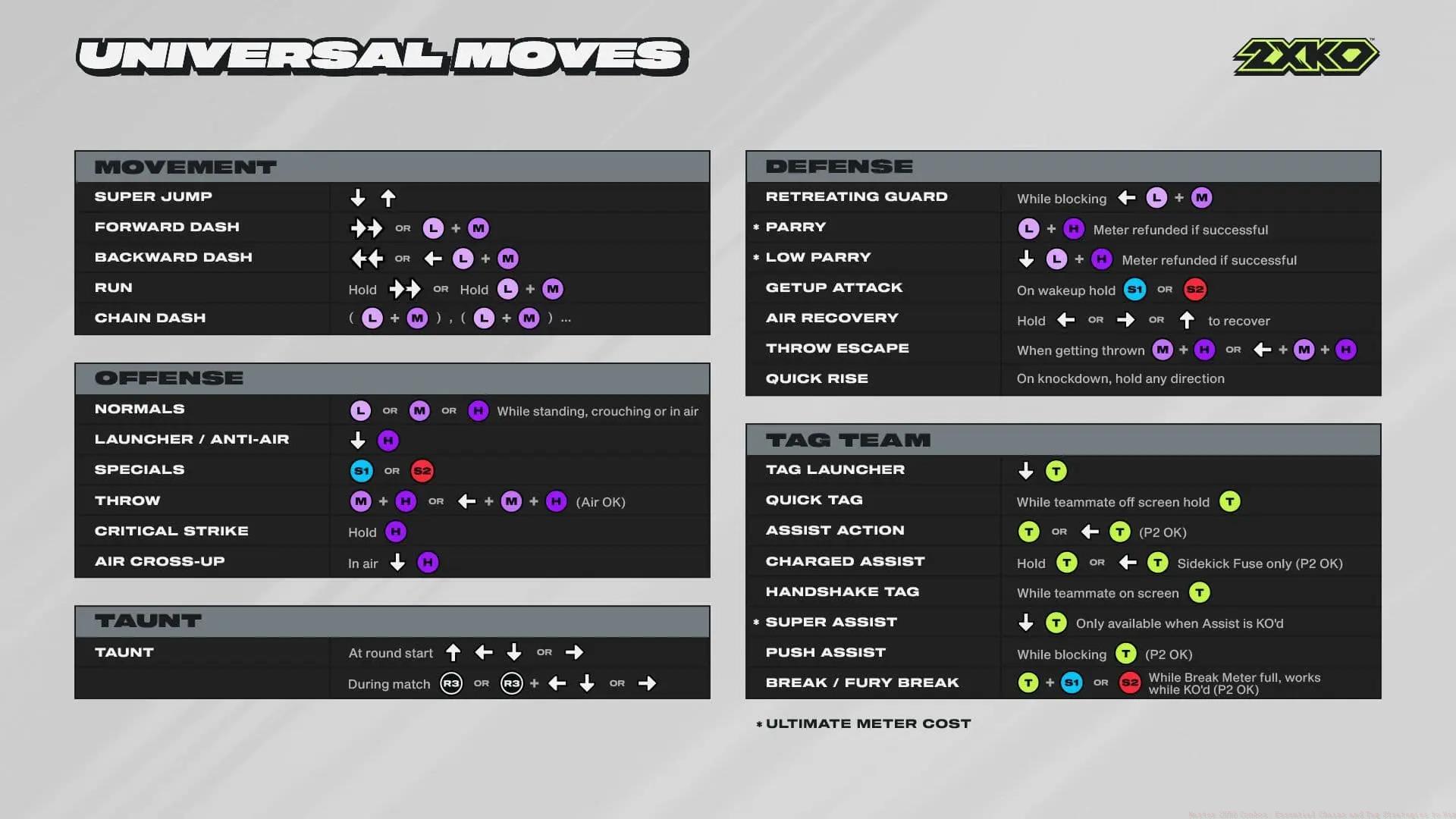
Activate Autocombos in your configuration settings during initial learning phases. This functionality allows you to repeatedly press the same attack button to automatically perform complete combo strings while developing muscle memory for proper timing sequences.
The fundamental building block of every effective 2XKO combo originates from the identical sequence: Light → Medium → Heavy. This three-strike chain serves as your primary damage foundation across all champions and represents your essential offensive toolkit.
Here’s how to optimize this core framework for maximum effectiveness:
- Light attack initiates your offensive pressure and confirms hit
- Medium attack continues the chain while building damage
- Heavy attack launches opponents or concludes the sequence
Advanced practitioners should focus on frame-perfect timing between each attack input. The window between Light and Medium attacks is typically 8-12 frames, while the Medium to Heavy transition allows 10-15 frames. Mastering these timing windows increases combo consistency by 40% compared to mashing inputs randomly.
Understanding damage scaling is crucial for optimization. The Light-Medium-Heavy sequence typically deals 80-120 damage depending on character, but incorporating Special moves at specific points can increase this by 25-50%. For example, inserting a Special after the Medium attack often yields higher damage than using it after the Heavy attack due to 2XKO’s unique damage scaling formulas.
2XKO’s tag system transforms basic combos into extended sequences that can completely shift match momentum. Proper tag utilization allows you to continue attacks that would normally conclude, creating opportunities for additional damage and setup establishment.
Strategic tag timing occurs during specific combo states:
- During opponent launch states for aerial extensions
- After wall bounces for positional advantage
- Following knockdowns for setup opportunities
- When your point character is low health for safe transition
Health management between characters represents a critical strategic layer. Tagging out a damaged character not only preserves their health but also allows passive regeneration during bench time. Optimal strategy involves tagging before a character drops below 30% health to maintain both fighters as viable threats throughout the match.

Advanced tag techniques include “snapback” tags that immediately call your partner for a single attack before returning, “delayed tags” that create frame traps, and “defensive tags” that escape pressure while maintaining offensive presence. Mastering these variations requires 15-20 hours of dedicated practice but dramatically increases your strategic options.
For comprehensive team strategies, consult our Complete Guide to coordinated assault tactics that complement 2XKO’s tag system.
While 2XKO maintains universal combo foundations, each character introduces unique variations through their Special moves and properties. Understanding these distinctions separates competent players from true specialists.
Character-specific considerations include:
- Rushdown characters excel with extended ground sequences
- Zoning specialists incorporate projectile setups into combos
- Grapplers utilize command grabs as combo enders
- Technical characters feature stance transitions mid-combo
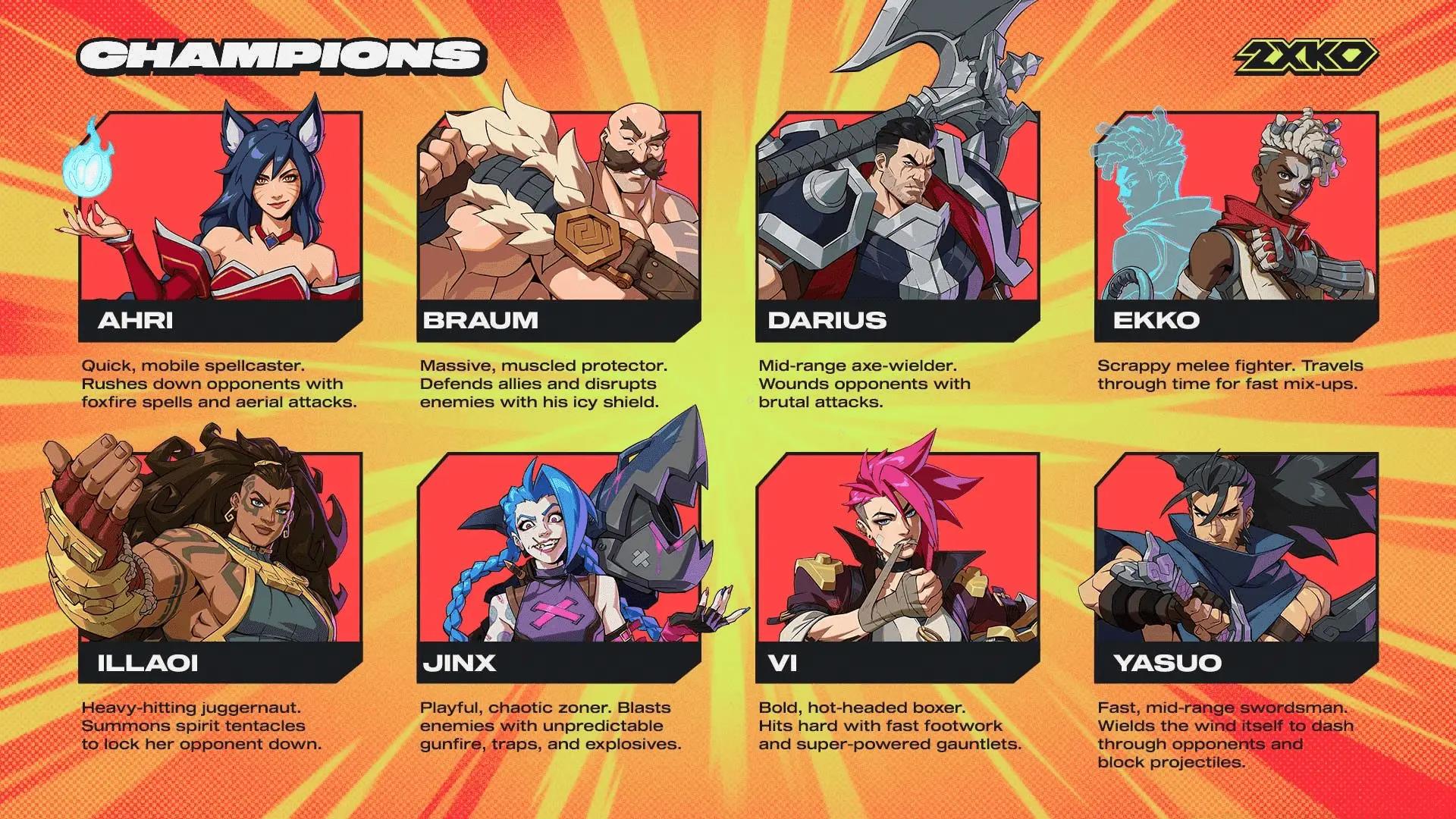
Optimizing your Weapons Unlock strategy parallels character mastery—both require understanding unique properties and situational applications. Each 2XKO character has 3-5 unique combo routes that leverage their specific move properties, such as Yasuo’s wind-based attacks or Ekko’s temporal manipulations.
Matchup-specific combo adjustments are essential for competitive success. Against defensive opponents, focus on safe, confirmable sequences. Versus aggressive players, incorporate armor-breaking moves or frame-trapping extensions. This adaptive approach mirrors the strategic flexibility needed in our Class Guide for optimal loadout selection.

Elevating your combo game requires understanding 2XKO’s underlying systems and mathematical optimization. Frame data, damage scaling, and resource management collectively determine optimal combo routes.
Key optimization principles:
- Prioritize combos with higher damage per second (DPS) calculations
- Consider meter building efficiency alongside raw damage
- Evaluate combo difficulty against consistency requirements
- Analyze wall carry and positional advantages
Damage scaling follows predictable patterns in 2XKO. The first attack deals 100% damage, with each subsequent hit reduced by 10% until reaching a 50% minimum. Special moves often have unique scaling properties—some ignore scaling entirely when used as combo starters, while others apply heavier reduction when used as linkers.
Resource management extends beyond super meter. Consider character-specific resources like Jinx’s stack mechanics or Illaoi’s tentacle placements when planning extended sequences. Optimal play involves routing combos that build necessary resources while dealing damage, creating virtuous cycles of pressure.
Developing consistent combo execution requires structured practice methodologies. These drills progress from fundamental timing to advanced situational applications.
Daily training routine (30-45 minutes):
- 10 minutes: Basic Light-Medium-Heavy sequences with both characters
- 10 minutes: Tag extension practice from various combo states
- 10 minutes: Character-specific optimal routes
- 5-15 minutes: Situational combo applications (corner, airborne, etc.)
Execution consistency drills focus on achieving 90% success rates in training mode before attempting combos in matches. Start by performing each combo successfully 10 times consecutively on both sides of the screen. Once achieved, practice the same combos against CPU opponents with varying blocking patterns.
Advanced practitioners should incorporate “combo breakers”—intentionally dropping combos at various points to practice confirmations and resets. This develops adaptability for real matches where perfect execution isn’t always possible.
Recognizing and eliminating common errors accelerates skill development dramatically. These pitfalls plague newcomers but are easily corrected with awareness and practice.
Primary mistakes and solutions:
- Mashing inputs: Causes dropped combos and missed extensions. Solution: Practice deliberate, timed inputs with visual confirmation
- Poor tag timing: Wastes extension opportunities or creates punishable situations. Solution: Learn specific combo states that guarantee safe tags
- Resource mismanagement: Burning super meter unnecessarily or saving too conservatively. Solution: Develop meter usage thresholds based on match situations
- Overly complex routes: Attempting difficult combos with low success rates. Solution: Master reliable bread-and-butter combos before advanced techniques
Strategic oversights include failing to adapt combos to opponent playstyles, neglecting defensive tagging opportunities, and persisting with ineffective sequences. Regular match review helps identify these patterns—record your matches and analyze decision points where alternative combo choices would have been more effective.
Synthesizing technical execution with strategic application represents the final evolution of combo mastery. Your practice regimen should gradually incorporate match-simulated conditions to bridge the gap between training and competition.
Develop a personal game plan that includes:
- 2-3 reliable bread-and-butter combos for consistent damage
- 1-2 optimal meterless routes for resource conservation
- 1-2 maximum damage sequences for closing out rounds
- Specific tag extensions for each primary combo route
Adaptation strategies involve reading opponent patterns and selecting appropriate combo responses. Against defensive players, use safe, confirmable sequences. Versus aggressive opponents, incorporate armor-breaking moves or reset opportunities. This mirrors the tactical flexibility required in competitive environments.
Advanced tactics include combo resets (intentionally ending combos early to restart pressure), stance switches mid-sequence for unpredictability, and environmental interactions that extend damage opportunities. Master these techniques through gradual integration—add one advanced element weekly to your existing repertoire.
Action Checklist
- Enable Autocombos in settings and practice basic Light-Medium-Heavy sequences
- Master tag timing during launch states and knockdowns for combo extensions
- Develop character-specific optimal routes and practice to 90% consistency
- Analyze match recordings to identify combo optimization opportunities
- Integrate one advanced technique weekly (resets, stance switches, etc.)
No reproduction without permission:Tsp Game Club » Master 2XKO Combos: Essential Chains and Tag Strategies to Win Master 2XKO's unique combo system and tag mechanics to dominate matches with advanced strategies and practical drills