
Master Peak’s climbing mechanics with expert strategies for stamina management, teamwork, and survival to conquer the mountain efficiently.
Understanding Peak’s Core Challenge
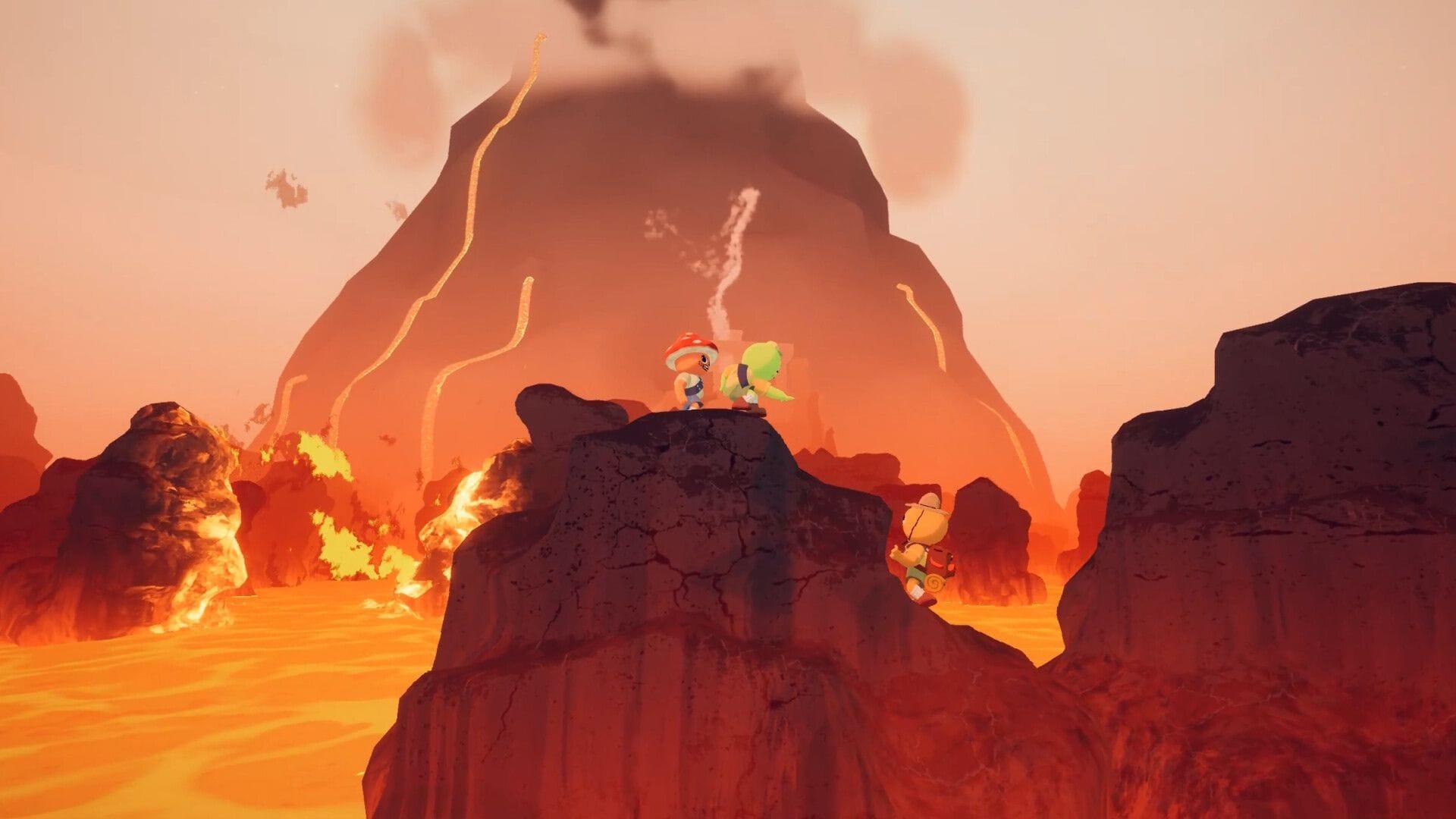
Venturing into Peak presents a deceptively simple premise: ascend and survive. New players quickly learn that success hinges on respecting its intricate systems. While the goals are clear, the path is fraught with nuanced challenges involving stamina depletion, encumbrance penalties, and dynamic environmental threats. This guide provides the foundational knowledge and strategic mindset needed to transform from a novice climber into a summit contender, whether tackling the slopes solo or with a team.
Also read: 7 best Metroidvania games to play in 2025
Strategic Stamina & Resource Management
Your journey is a calculated ascent, not a frantic dash. Before moving, scan your route for safe ledges that function as natural checkpoints. Equip rope aids or pitons for technically demanding sections, but deploy them judiciously. A common beginner error is making risky jumps for marginal gains, which catastrophically drains stamina. Always have a fallback plan for when you’re exposed on a cliff face with dwindling energy.
In Peak, stamina governs everything. Your primary bar dictates climbing speed, which plummets as it empties. Your secondary bar acts as a critical reserve system. When active, it delays the severe speed penalty from a depleted primary bar. The strategic imperative is clear: preserve this reserve for genuine emergencies, like recovering from a missed grab or outrunning the encroaching fog. Consumables like energy drinks can replenish or sustain this reserve, but they are rare—use them as a last resort.
The backpack is a double-edged sword. In cooperative play, assign it to one dedicated carrier. This allows other team members to remain agile scouts, crucial for navigating tight spaces and staying ahead of environmental hazards. If the pack’s weight severely impacts your stamina regeneration or movement speed, do not hesitate to jettison non-essential items. Mobility is your ultimate survival tool. Remember, the island’s ecosystem offers foraging opportunities; you can often replenish supplies rather than carrying them all.
Cooperative Play & Communication
Co-op in Peak fundamentally shifts the gameplay from pure endurance to coordinated teamwork. The right-click assist function is your most powerful tool—use it proactively. When a teammate is low on stamina after a difficult move or has mistimed a jump, a timely assist can prevent a chain-reaction wipe. This isn’t mere courtesy; it’s essential risk mitigation.
Effective communication separates successful teams from failing ones. Verbally call out or ping discovered gear, hazard locations, and viable paths. Establish clear roles: a navigator, a carrier, a scout. A frequent fatal mistake is having multiple team members burdened by heavy packs, rendering the entire group sluggish and vulnerable. Peak severely penalizes uncoordinated, ‘lone wolf’ playstyles, especially in the early game where resources are scant and margins for error are thin.
Advanced Preparations & Mindset
Beyond mechanics, adopt the correct psychological approach. View each climb as a problem-solving session. Analyze the wall before you, identifying rest zones and threat areas. Understand that dropping a useful but heavy tool is sometimes the optimal play to regain critical speed. The ever-present fog is a relentless timer; hesitation or greed will be punished.
That concludes our expanded strategic guide for mastering Peak.
Check out more articles from Sportskeeda:
No reproduction without permission:Tsp Game Club » 5 best beginner tips for Peak Master Peak's climbing mechanics with expert strategies for stamina management, teamwork, and survival to conquer the mountain efficiently.