
Discover why Oblivion’s spellcraft, movement systems, and storytelling create a richer RPG experience than Skyrim
Introduction: The Legacy of Oblivion’s Remaster
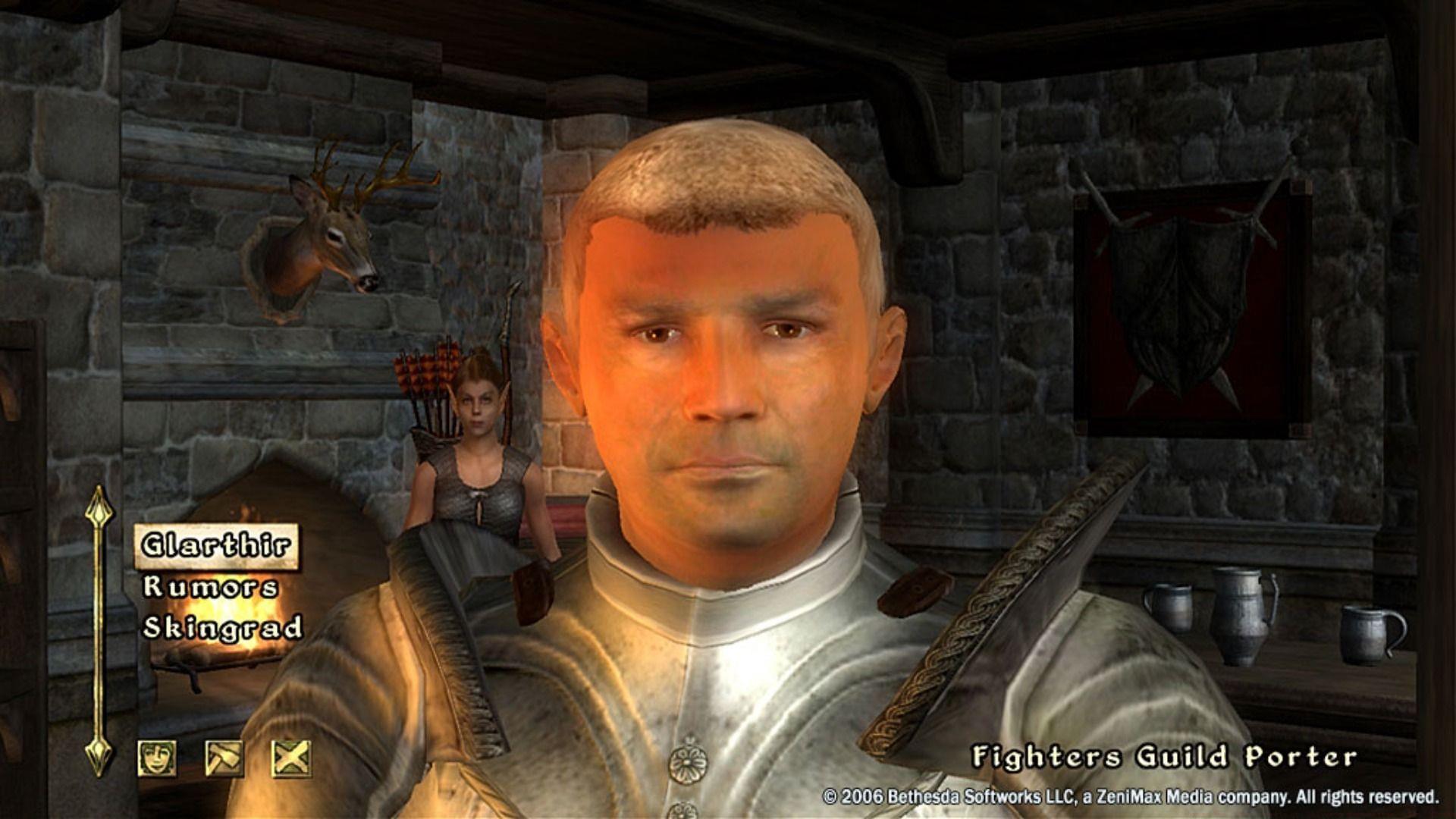
With Bethesda preparing a remastered version of The Elder Scrolls IV: Oblivion, players are rediscovering why this groundbreaking RPG remains beloved. As the direct predecessor to Skyrim, this fourth main series entry established many conventions that defined modern open-world gaming. While Skyrim refined certain elements, Oblivion’s innovative systems in magic, movement, and artificial intelligence created unparalleled freedom that many veterans still prefer.
The upcoming modernization presents an ideal opportunity to examine the specific mechanics where Cyrodiil’s adventures excel beyond Skyrim’s frozen landscapes. From customizable spellcraft to revolutionary NPC behavior, these distinctions highlight why both newcomers and returning players should appreciate Oblivion’s unique contributions to the genre.
Magic System Superiority: Spellcrafting Freedom
Oblivion established its magical foundation through an unprecedented spellcrafting mechanic that empowered players to design custom incantations. This system perfectly embodied the series’ commitment to player agency, allowing magical practitioners to combine effects, adjust magnitudes, and customize durations to suit their specific playstyle. The Arcane University’s spellmaking altars became essential destinations for serious mages seeking to optimize their magical arsenal.
Progression in magical mastery followed a logical trajectory where advancing your character level unlocked increasingly sophisticated spell recipes. This created meaningful advancement milestones beyond simple statistical improvements, rewarding dedicated magical specialization with genuinely transformative capabilities. Unlike later iterations, your magical evolution felt earned through systematic development rather than simple perk selection.
Skyrim’s elimination of this customization represents one of its most significant regressions for magic enthusiasts. The replacement system of predetermined spells with fixed characteristics severely constrained creative magical expression. While certain spells could be cast more frequently as skills improved, their fundamental capabilities remained static, eliminating the strategic depth of tailoring magic to specific encounters or personal preferences.
Advanced Magic Strategy: Expert players maximize Oblivion’s spellcrafting by creating specialized spell combinations for different scenarios. A well-designed custom spell might combine weakness to elements with damage-over-time effects, or pair defensive buffs with area-of-effect crowd control. This tactical flexibility enables mages to adapt to any combat situation rather than being limited to generic preset options.
Movement Mechanics: Athletics and Acrobatics
Oblivion’s movement system incorporated dedicated Athletics and Acrobatics skills that governed fundamental physical capabilities. Athletics directly influenced running velocity and swimming efficiency, while Acrobatics determined jump elevation and fall damage resistance. This design created organic character progression where your physical prowess naturally improved through consistent activity rather than artificial skill point allocation.
While some players criticized the grind associated with leveling these skills, the implementation fostered genuine immersion. Your character’s physical development mirrored real athletic improvement through repeated practice. This created tangible connections between in-game activities and character growth that enhanced roleplaying authenticity beyond statistical abstractions.
Skyrim’s removal of these systems simplified movement mechanics at the cost of physical expression. The limited stamina-based sprinting enhancement fails to replicate the spectacular mobility achievable in Oblivion with maximized Athletics and Acrobatics. Veteran players fondly remember executing superhuman leaps across city rooftops or outrunning mounted combatants—feats impossible in Skyrim’s more grounded approach.
Movement Optimization: Strategic players focus on early Acrobatics training to access otherwise unreachable areas containing valuable loot. By repeatedly jumping during travel and combat, you can efficiently level this skill while exploring. Combining high Acrobatics with feather spells or enchantments enables incredible vertical mobility that transforms exploration and escape possibilities.
Quest Design and Character Writing Excellence
Oblivion’s narrative construction and character development consistently demonstrate superior depth compared to its successor. The game world feels genuinely alive with diverse personalities and surprising interactions that enhance immersion. While occasionally hampered by technical jank, these imperfections sometimes contribute to the game’s distinctive charm and unpredictability.
The Dark Brotherhood assassination guild questline stands as one of the franchise’s finest achievements in storytelling. Missions like the legendary ‘Whodunit?’ assignment revolutionize traditional murder mystery tropes by casting you as the orchestrator rather than investigator. This narrative inversion creates morally complex scenarios where your choices directly shape the outcome in ways few RPGs have replicated.
Similarly, the Thieves Guild narrative arc incorporates multi-stage heists and character-driven plots that surpass Skyrim’s more straightforward theft missions. The gradual rebuilding of the guild’s influence creates satisfying long-term progression absent from many contemporary quest designs. Character motivations feel authentic and layered, with supporting NPCs exhibiting memorable personalities beyond their functional roles.
Quest Completion Strategy: To fully experience Oblivion’s narrative strengths, prioritize faction questlines before main story progression. These arcs often provide superior rewards and deeper world-building than the central narrative. Taking time to explore dialogue options and complete side objectives within major quests reveals hidden character depth and alternative resolutions.
Radiant AI: Ambitious NPC Systems
Oblivion’s groundbreaking Radiant AI technology represented a monumental leap in non-player character behavior systems. This innovative framework endowed NPCs with dynamic goal-oriented behavior rather than predetermined scripting. Characters would autonomously fulfill needs like hunger through context-appropriate actions—law-abiding citizens purchasing food while criminals might resort to theft.
Though imperfect in execution, with occasional behavioral anomalies creating memorable absurdities, the system’s ambitious scope fostered unprecedented environmental dynamism. NPCs maintained daily routines, pursued personal objectives, and reacted to world events in ways that made Cyrodiil feel like a living ecosystem rather than a staged environment.
Skyrim significantly scaled back these behavioral systems, implementing more predictable and scripted NPC routines. Players seeking comparable autonomy must install mods like AI Overhaul or Immersive Citizens, which reintroduce complexity at the cost of stability, particularly with extensive modification load orders. This regression represents a deliberate design choice favoring reliability over emergent unpredictability.
AI Observation Technique: Patient players can gain advantages by studying NPC routines enabled by Radiant AI. Learning merchant schedules helps optimize trading opportunities, while understanding guard patrol patterns facilitates stealth operations. This behavioral predictability within dynamic systems creates strategic opportunities absent in more randomized approaches.
Technical Evolution and Map Design
Oblivion’s technical achievements represented a monumental progression from its predecessor Morrowind, dramatically advancing character models from blocky abstractions toward realistic proportions while simultaneously more than doubling the explorable territory. This expansive world-building occurred within a condensed four-year development cycle, demonstrating remarkable ambition and efficiency.
Skyrim’s visual improvements arrived with notable compromises, including reduced geographical scale—approximately four square kilometers smaller than Cyrodiil—alongside the elimination of previously discussed mechanics. The five-year development period produced superior lighting, shadows, and texture fidelity but sacrificed scope and systemic complexity that defined Oblivion’s identity.
The visual gap between these titles narrows when considering Skyrim’s extended refinement through special editions introducing volumetric lighting and engine stability improvements, compounded by fifteen years of community modification. This extended post-launch development context helps explain the perceived disparity while highlighting Oblivion’s impressive foundational accomplishments within tighter constraints.
Common Mistake Avoidance: Many players underestimate Oblivion’s level-scaling mechanics, which can create difficulty imbalances if not properly managed. Focus on specializing in core combat skills rather than diversifying too broadly early game. Efficient leveling requires understanding how skill improvements influence overall character advancement to maintain appropriate challenge levels.
Advanced Player Strategies
Magic Optimization Approach: Master spellcrafting by systematically experimenting with effect combinations at the Arcane University. Create specialized spells for specific enemy types—fire-based attacks against trolls, frost magic versus heavy armor foes. Customize spell magnitude and area of effect to maximize mana efficiency while maintaining effectiveness.
Movement Mastery Techniques: Develop Acrobatics through consistent jumping during exploration—every traversal opportunity contributes to skill growth. Combine enhanced jumping with slow-fall effects to access secret areas. Train Athletics by swimming alternate routes and running between destinations rather than fast traveling.
Quest Completion Excellence: Thoroughly explore dialogue trees with major NPCs to uncover hidden quest options and alternative completion methods. Journal meticulously to track complex multi-stage missions. Prioritize faction allegiances based on your character build rather than attempting universal completion in a single playthrough.
Economic Advantage Methods: Utilize spellcrafting to create valuable enchantments for profit. Custom-made spells and enchanted items often command higher prices than found equipment. Master the alchemy system to create potent potions for both personal use and commercial gain.
No reproduction without permission:Tsp Game Club » 5 things The Elder Scrolls IV: Oblivion does better than Skyrim Discover why Oblivion's spellcraft, movement systems, and storytelling create a richer RPG experience than Skyrim