
Essential guide for mastering Metal Gear Solid Delta Snake Eater’s enhanced gameplay mechanics and new features
Understanding the Franchise Timeline
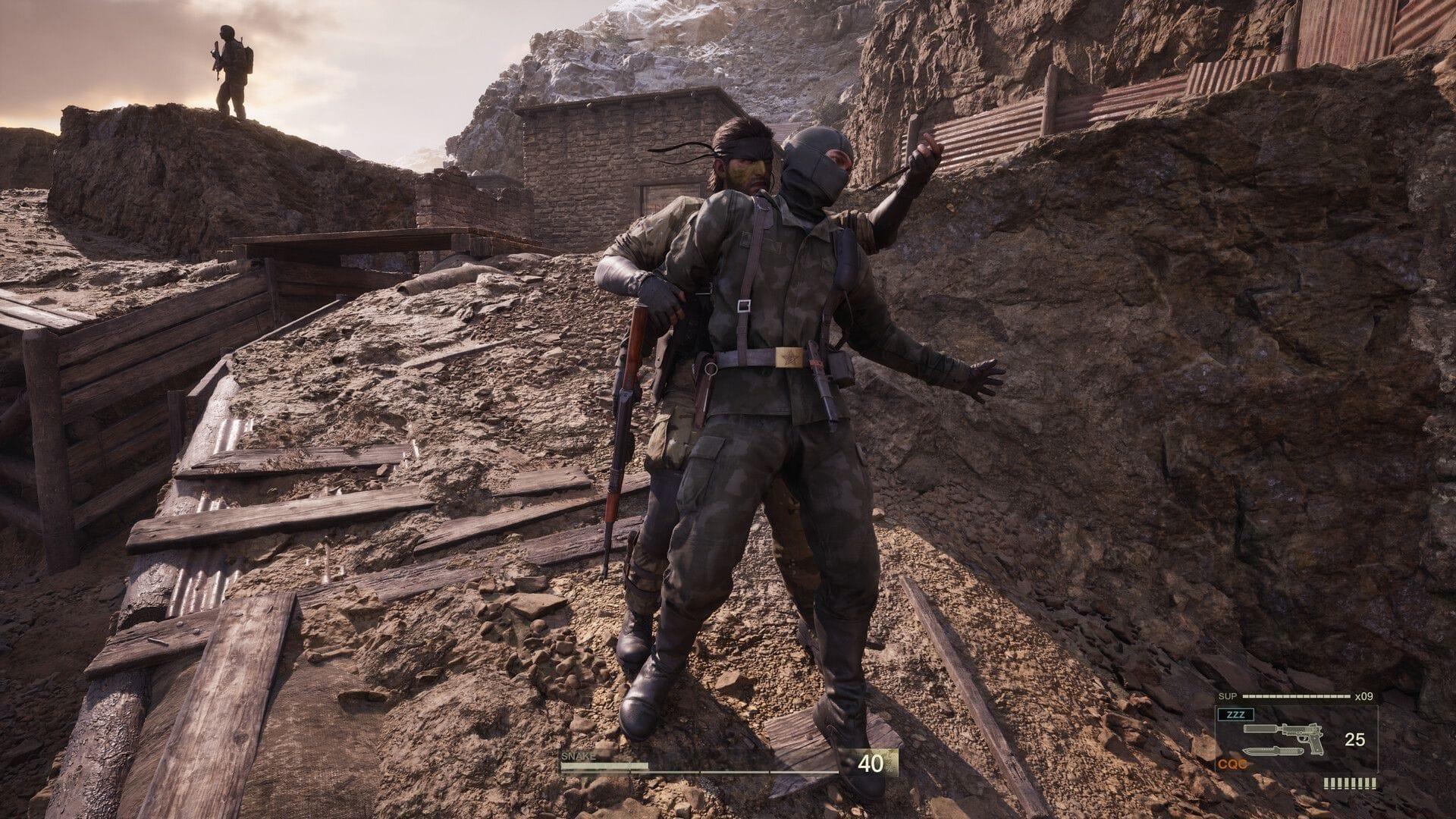
The highly anticipated Metal Gear Solid Delta Snake Eater launches on August 28, 2025, representing more than just a graphical modernization of Metal Gear Solid 3. This remake functions as the chronological starting point for the entire Metal Gear narrative universe, making it exceptionally accessible for franchise newcomers. Understanding this temporal positioning helps players appreciate the character development and political complexities that unfold throughout subsequent titles.
As the origin story of Big Boss’s legend, this installment establishes foundational elements that echo through the entire series. New players should recognize they’re experiencing the genesis of concepts, relationships, and ideologies that shape every subsequent Metal Gear narrative. The game’s 1960s Cold War setting provides crucial context for understanding the technological limitations and geopolitical tensions that define the series’ unique espionage atmosphere.
Key Antagonists and Their Significance
The adversaries in Metal Gear Solid Delta Snake Eater transcend typical video game villain archetypes, each representing specific thematic elements. Colonel Volgin embodies unchecked authoritarian power with his electrokinetic abilities serving as visual metaphor for his volatile nature. The young Revolver Ocelot provides crucial insight into a character whose journey spans decades within the series’ timeline, establishing behavioral patterns that define his later appearances.
The Cobra Unit introduces specialized combat scenarios that demand adaptive strategies rather than brute force approaches. The End’s sniper duel requires patience and environmental manipulation, while The Sorrow’s river sequence forces confrontation with the consequences of your actions. These encounters aren’t merely boss fights but narrative devices that explore the psychological toll of warfare, a series trademark that Delta faithfully preserves and enhances.
Advanced Survival Mechanics
Metal Gear Solid Delta Snake Eater revolutionizes stealth gameplay by integrating comprehensive survival systems that demand constant environmental engagement. The camouflage index system requires real-time assessment of your surroundings, with over a dozen patterns needing strategic application based on terrain, posture, and movement speed. Advanced players should prioritize acquiring the Olive Drab and Tiger Stripe patterns early for optimal forest mobility.
Food procurement goes beyond simple health restoration—different animals provide varying nutritional values and recovery rates. Poisonous flora identification becomes crucial, as mistaken consumption can trigger debilitating status effects requiring immediate medical attention. Injury management has been streamlined in the remake but still demands strategic prioritization; treating bleeding wounds takes precedence over minor abrasions to prevent detection through blood trails.
Environmental mastery provides tactical advantages beyond evasion. Knowledge of predator-prey relationships can distract guards, while strategic use of heavy rainfall masks movement sounds. The jungle’s verticality offers sniper perches and alternative routes that bypass heavily patrolled areas entirely.
Technical Enhancements and Modern Features
Unreal Engine 5 implementation transforms the Soviet wilderness into a visually stunning playground that maintains the original’s claustrophobic atmosphere while expanding environmental detail. The seamless transition between cinematic storytelling and interactive gameplay eliminates traditional loading breaks, enhancing narrative immersion. The newly introduced pause functionality during cutscenes addresses a long-standing franchise limitation, particularly valuable given the game’s extensive narrative sequences that can exceed twenty minutes.
Beyond visual improvements, Metal Gear Solid Delta Snake Eater introduces substantial new content including the Secret Theater Mode, which preserves the original’s humorous alternative scenes while adding contemporary parody material. Fox Hunt multiplayer represents the series’ first foray into asymmetric gameplay, pitting Snake against teams of soldiers in dynamic hide-and-seek matches that test stealth mastery in competitive environments.
Platform-Specific Content and Strategy
The remake introduces platform-exclusive content that significantly impacts gameplay approach and replay value. PlayStation and PC users can access the returning Snake vs. Monkey mode, requiring precise platforming skills and offering unlockable rewards that enhance main game capabilities. Xbox players receive the new Snake vs. Bomberman experience, which emphasizes tactical placement and area denial strategies contrasting with the main game’s stealth focus.
Graphical mode selection allows performance customization based on playstyle preferences—4K/30fps prioritizes visual fidelity for methodical players, while 1080p/60fps benefits reaction-based gameplay. The Sneaking DLC’s camouflage sets provide statistical advantages beyond cosmetic changes; the crocodile suit offers near-perfect swamp concealment but reduces terrestrial mobility, demanding situational deployment.
Early game preference selection influences unlockable content, with choices triggering different equipment availability and codec conversations. Veterans should experiment with multiple initial selections to access all narrative variations and tactical options.
No reproduction without permission:Tsp Game Club » 5 things to know before playing Metal Gear Solid Delta Snake Eater Essential guide for mastering Metal Gear Solid Delta Snake Eater's enhanced gameplay mechanics and new features