
Essential improvements Ubisoft must implement in Assassin’s Creed Hexe to revitalize core gameplay mechanics
Reinventing Stealth Mechanics
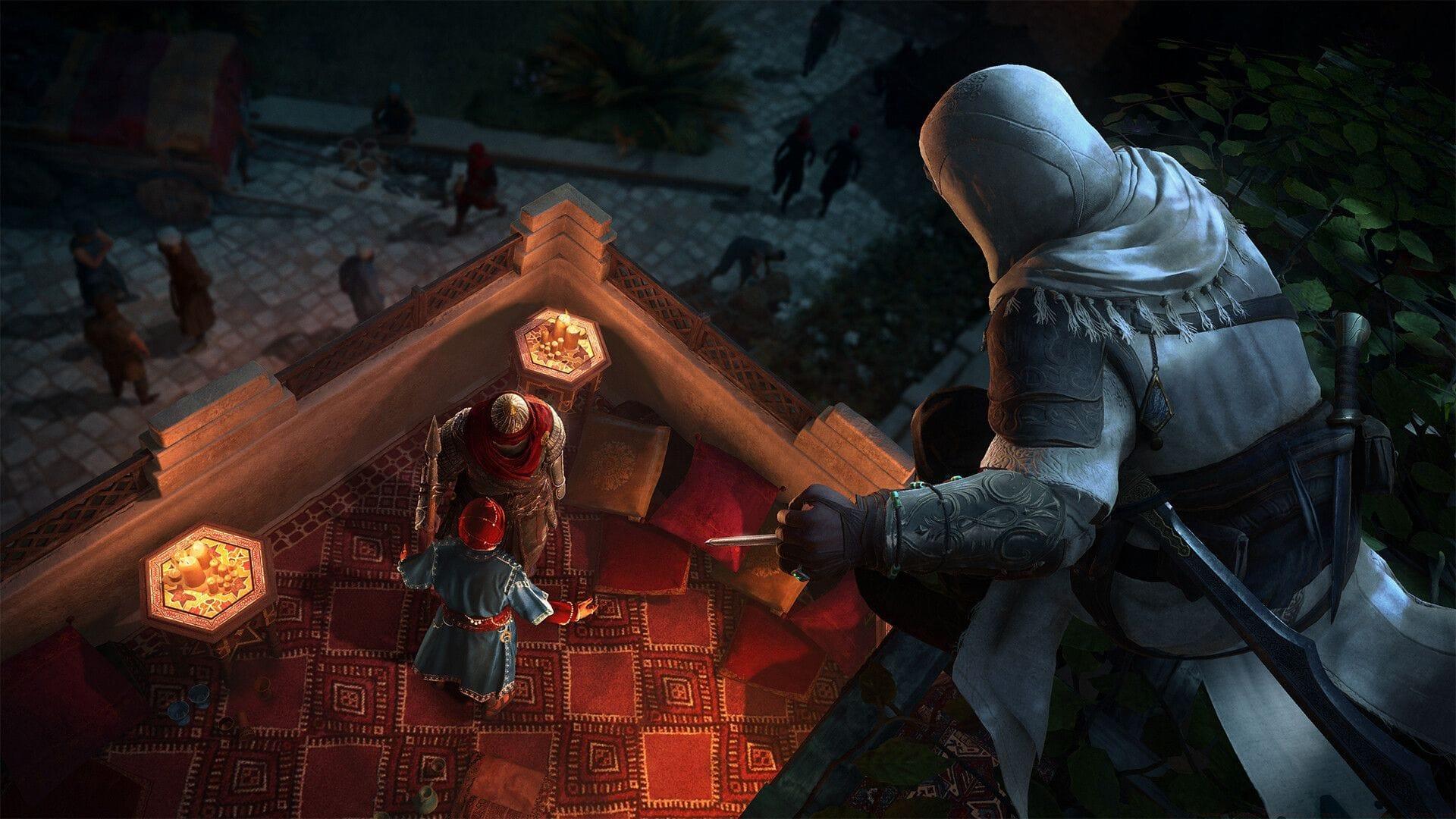
Assassin’s Creed Hexe presents a crucial opportunity for Ubisoft to redefine stealth gameplay mechanics that formed the franchise’s foundation. While recent installments like Mirage attempted to return to stealth-focused design, their execution fell short of the sophisticated systems featured in earlier series entries. The development team must implement advanced stealth techniques including dynamic lighting manipulation, sound-based detection mechanics, and social stealth systems that genuinely challenge player creativity.
For optimal stealth implementation, players should master environmental awareness—using crowd density, architectural features, and time-of-day variations to their advantage. Common mistakes include rushing through detection zones without proper scouting and neglecting alternative infiltration routes that offer superior tactical positions.
Parkour System Overhaul
The upcoming Assassin’s Creed installment must transform parkour from a contextual animation system into a genuinely interactive movement mechanic. While recent titles introduced manual jumping as fan-requested features, Hexe should expand upon this foundation with precision controls that reward player skill. The development team should implement momentum-based movement physics, directional control during ascents, and meaningful risk-reward decisions during rooftop navigation.
Advanced players can optimize traversal by mastering the ‘leap of faith’ timing variations and understanding how different architectural styles affect movement flow. Urban environments should present genuine navigation challenges rather than serving as simple climbing puzzles, with dynamic elements like crumbling structures and guarded pathways creating organic obstacles.
Intelligent Enemy AI Systems
Current enemy artificial intelligence in Assassin’s Creed titles suffers from predictable behavioral patterns that undermine both stealth and combat engagement. Hexe must implement sophisticated AI systems featuring adaptive tactics, persistent memory of player actions, and realistic vertical pursuit capabilities. Enemies should coordinate searches, remember last known player positions, and utilize environmental advantages during encounters.
To counter advanced AI, players should employ distraction techniques, create false trails, and understand patrol route manipulation. The most common mistake involves underestimating enemy persistence—successful stealth requires planning escape routes before engagement rather than reacting to detection.
Meaningful Content Strategy
Assassin’s Creed Shadows demonstrated the franchise’s ongoing struggle with content bloat—massive maps filled with repetitive activities that dilute narrative impact. Hexe should adopt a quality-over-quantity approach where every side mission contributes meaningfully to world-building and character development. The development team must eliminate filler content in favor of carefully crafted experiences that expand upon core narrative themes.
Players often waste time completing inconsequential activities that offer minimal rewards. Instead, focus on missions that provide unique gear, significant character development, or crucial world-building context. Optimal play involves identifying narrative-essential side content early and prioritizing those missions alongside main story progression.
Character Development Depth
Recent Assassin’s Creed protagonists have struggled to establish meaningful connections with players, often featuring underdeveloped motivations and vague ideological alignments. Hexe must return to the series’ foundational Assassin-Templar conflict with a protagonist whose personal journey authentically reflects the franchise’s core ethos. Character development should evolve organically through gameplay decisions rather than exclusively through cutscenes.
Successful character immersion requires consistent motivation reinforcement through both narrative and gameplay mechanics. Players should understand how their actions align with character beliefs and witness tangible consequences for ideological choices throughout the campaign.
Progression System Innovation
Current progression systems in Assassin’s Creed titles often provide superficial upgrades that fail to meaningfully impact gameplay approaches. Hexe should implement tool and ability systems that genuinely alter mission strategies and enable distinctive playstyles. The development team must move beyond cosmetic enhancements to create progression trees with branching specializations that reward dedicated investment.
Advanced players should experiment with hybrid builds that combine stealth, combat, and social manipulation tools for unique approaches to objectives. Common mistakes include over-specializing early without understanding late-game synergy opportunities between different skill trees.
Endgame Content Expansion
Post-campaign content represents a significant weakness in recent Assassin’s Creed titles, with repetitive contracts and basic assassination missions failing to maintain player engagement. Hexe requires a robust endgame featuring challenging combat arenas, dynamically generated missions with scaling difficulty, and meaningful reward structures that encourage continued play. The development team should look to successful live service models for inspiration while maintaining the franchise’s single-player focus.
For optimal endgame engagement, players should master advanced combat techniques and build optimization strategies that prepare them for escalating challenge tiers. The most rewarding post-campaign activities should test both mechanical skill and strategic planning rather than simply extending playtime with repetitive objectives.
Also check out our other AC articles:
No reproduction without permission:Tsp Game Club » 7 features the next Assassin’s Creed title needs to prioritize Essential improvements Ubisoft must implement in Assassin's Creed Hexe to revitalize core gameplay mechanics