
How 2025’s open world games redefined immersive experiences with innovative design and player-focused mechanics
Introduction: The Year Open Worlds Got Smarter
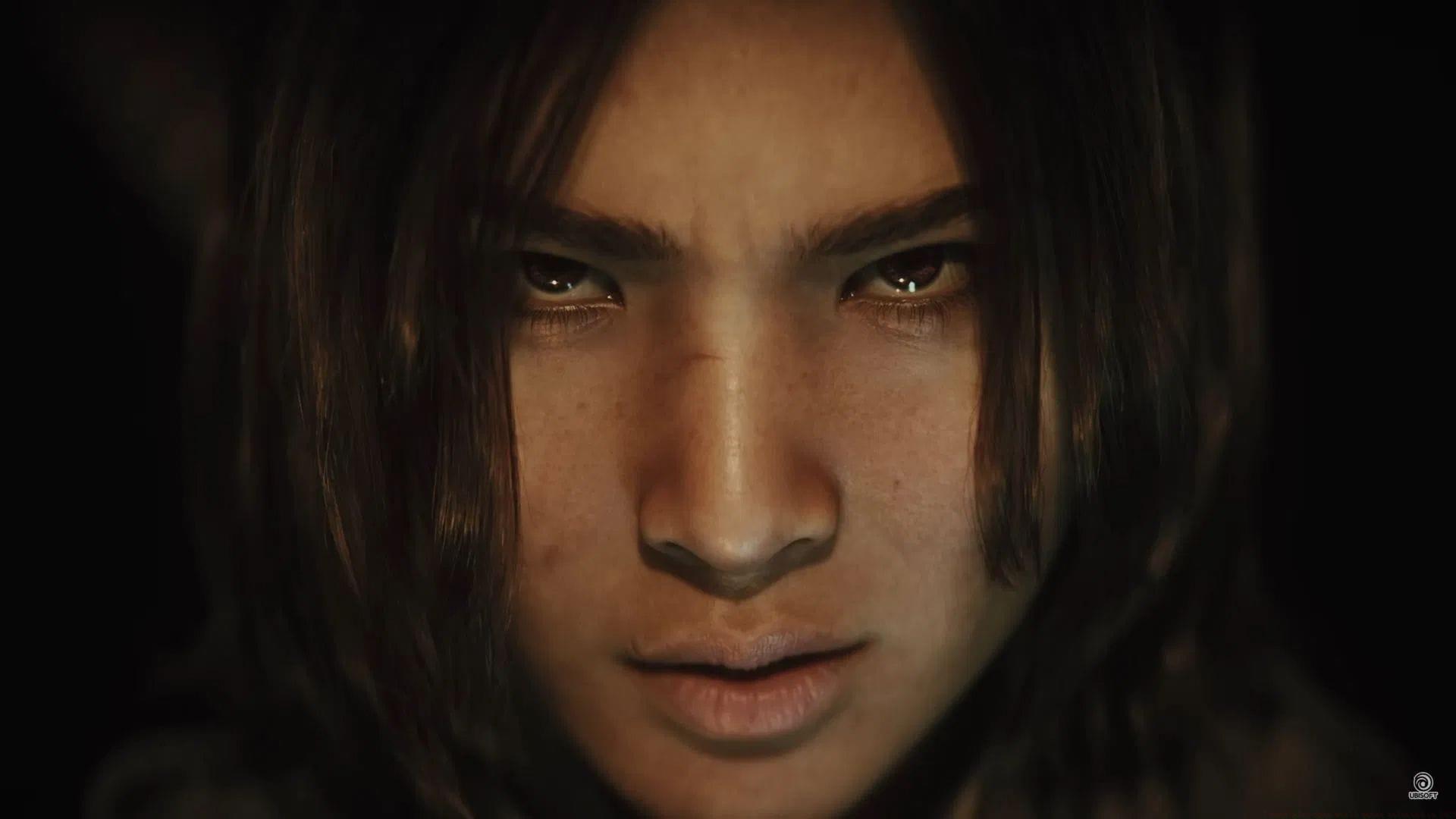
Open world games released throughout 2025 demonstrated a significant evolution beyond the standard formula of expansive maps cluttered with repetitive activities. Rather than simply increasing geographical scale, developers concentrated on crafting worlds with purpose-driven design, atmospheric depth, and meaningful player agency. This shift represented a maturation of the genre where environmental storytelling and systemic interactions took precedence over sheer quantity of content.
The industry moved away from filling maps with generic icons toward creating organic discovery moments that reward player curiosity. Each destination now serves multiple purposes—advancing narratives, revealing character backgrounds, or teaching gameplay mechanics through environmental cues rather than explicit tutorials. This approach reduces the fatigue commonly associated with clearing map markers while increasing the emotional impact of exploration.
Assassin’s Creed Shadows: Dual Protagonist Innovation
Assassin’s Creed Shadows revolutionized the franchise through its innovative dual protagonist system, allowing players to switch between Fujibayashi Naoe, a female shinobi specializing in stealth, and Yasuke, an African samurai focused on direct combat. This design creates complementary gameplay loops where Naoe’s infiltration missions often create opportunities for Yasuke’s confrontational approaches, encouraging strategic planning about which character best suits each situation.
The narrative continues the centuries-old conflict between the Assassin Brotherhood, champions of free will, and the Templar Order, proponents of controlled peace. However, the game world achieves a remarkable balance between historical authenticity and player freedom that earlier entries struggled to maintain. Environmental design supports both playstyles equally, with vertical spaces for parkour and wide arenas for sword combat.
Pro Tip: Master the character-switching mechanic during enemy encampment assaults. Use Naoe to silently eliminate archers on high ground, then switch to Yasuke to engage remaining ground forces with reduced ranged threats. This tactic significantly lowers encounter difficulty while maximizing experience gains for both characters.
Death Stranding 2: Kojima’s Post-Pandemic Vision
Hideo Kojima returned with Death Stranding 2 on June 26, 2025, as a PlayStation 5 exclusive, personally overseeing writing, production, design, and direction. The sequel reunites players with familiar faces including Sam (Norman Reedus), Fragile (Léa Seydoux), and introduces new characters shaped by the transformed world. Set primarily in Australia eleven months after the original’s events, the narrative continues in a shattered society devastated by extradimensional creatures.
Kojima initially drafted the story pre-2020 but completely rewrote it to incorporate global pandemic experiences, creating one of gaming’s most poignant commentaries on isolation and connection. The game’s delivery mechanics have evolved beyond simple parcel transport to include community rebuilding and infrastructure development that visibly changes the game world based on player actions.
Common Mistake: New players often neglect the social strand system, focusing solely on main story progression. Regularly check and contribute to other players’ structures—this builds connection levels that unlock better equipment and creates shortcuts that dramatically reduce future traversal time through difficult terrain.
Kingdom Come: Deliverance II: Historical Authenticity Expanded
Kingdom Come: Deliverance II reaffirmed Warhorse Studios’ commitment to historically accurate medieval role-playing within a significantly expanded framework. The title achieved remarkable commercial success, selling two million copies within its first two weeks while earning predominantly positive critical reception for its deepened simulation systems and narrative complexity.
The game world doubles the original’s scale through an innovative dual-map structure featuring two distinct, expansive regions rather than a single continuous landscape. This geographical separation allows for contrasting environmental design—from dense forests and river valleys to open plains and mountainous terrain—each supporting unique quest types and gameplay opportunities. The combat system introduces period-accurate crossbows and early firearms, plus the game-changing ability to use ranged weapons while mounted.
Advanced Technique: Practice horseback archery extensively before major engagements. The ability to thin enemy ranks with crossbow bolts from horseback before engaging in melee provides a significant tactical advantage, especially against numerically superior forces. This skill requires substantial practice but dramatically changes encounter dynamics.
Where Winds Meet: Wuxia World Building Excellence
Where Winds Meet successfully translated authentic wuxia martial arts sensibilities to global audiences through its November 14, 2025 release on PlayStation 5 and Windows, followed by mobile versions on December 12, 2025. Developed by Everstone Studio and published by NetEase Games, the title immerses players in the tumultuous Five Dynasties and Ten Kingdoms period as a wandering hero shaping their destiny.
The game masterfully blends single-player narrative depth with multiplayer functionality, supported by extensive character customization that affects both appearance and combat capabilities. Exploration feels consistently rewarding rather than obligatory, with discoveries that expand gameplay options rather than simply checking completion boxes. The world design encourages curiosity through hidden techniques, secret masters, and environmental puzzles that test both combat prowess and intellectual engagement.
Optimization Tip: Prioritize discovering and mastering at least three different martial arts styles early. Having versatile combat options allows you to adapt to various enemy types and environmental challenges more effectively than specializing deeply in a single approach initially.
Ghost of Yotei: Vengeance in Frozen Japan
Ghost of Yotei launched October 2, 2025, as a PlayStation 5 exclusive from Sucker Punch Productions, achieving impressive commercial success with over 3.3 million copies sold by November alongside strong critical approval. This standalone sequel to Ghost of Tsushima shifts focus to 1603 Ezo (modern Hokkaido) where players assume the role of Atsu, a mercenary seeking vengeance against the Yotei Six for murdering her family sixteen years prior.
The protagonist change from Jin Sakai to Atsu provides fresh narrative perspectives and combat specialties, distinguishing the experience rather than functioning as a direct continuation. Third-person gameplay seamlessly integrates combat, stealth, and exploration across Ezo’s diverse regions, with visual presentation that stands among current-generation highlights. Environmental details reflect Atsu’s personal journey, with locations tied to her past and the gradual uncovering of Yotei Six motivations.
Pro Strategy: Balance aggressive confrontation with strategic stealth based on terrain and time of day. Snowy environments provide stealth advantages during daylight but become treacherous at night when visibility decreases. Use weather patterns as tactical tools rather than just atmospheric elements.
Stalker 2 & The Beast: Survival Horror Evolution
Stalker 2 concluded its tumultuous development journey with a November 20, 2024 Windows and Xbox Series X/S release, followed by a PlayStation 5 version exactly one year later on November 20, 2025. GSC Game World’s fourth main series entry arrived fifteen years after the previous installment, persevering through multiple development restarts, engine changes to Unreal Engine 5, and production delays caused by the invasion of Ukraine.
The first-person shooter with survival horror elements returns players to the hazardous exclusion zone surrounding Chernobyl’s nuclear plant, now divided into distinct territories that progressively unlock to simulate advancement. The Beast (September 18, 2025) emerged from originally planned DLC for Dying Light 2 into a standalone title featuring returning protagonist Kyle Crane in the zombie-infested Western Alps vacation destination Castor Woods.
Survival Essentials: In both titles, carefully manage resource consumption during daytime exploration to ensure adequate supplies for dangerous nighttime segments. Stalker 2’s anomaly fields become more active after dark, while The Beast’s zombies transform into aggressive, fast-moving threats when sunlight fades. Plan routes that include safe zones accessible within limited time frames.
Strategic Insights for Modern Open World Gaming
These seven titles demonstrate diverse approaches to evolving open world design beyond the checklist completion model that dominated previous generations. Successful modern open worlds prioritize player agency through systemic interactions, meaningful exploration rewards, and gameplay variety that maintains engagement across extended play sessions.
Avoid the common pitfall of attempting to complete every activity immediately—instead, allow organic discovery to guide your progression. The most satisfying experiences emerge from following personal curiosity rather than methodically clearing map icons. Balance main story advancement with side content that enhances character capabilities or expands narrative understanding.
For optimal performance, regularly reassess your equipment and abilities against current challenges rather than sticking rigidly to familiar approaches. The most successful open world players adapt their strategies based on environmental conditions, enemy types, and available resources—embracing the dynamic nature of these living game worlds.
No reproduction without permission:Tsp Game Club » 7 must-play open world games released in 2025 How 2025's open world games redefined immersive experiences with innovative design and player-focused mechanics