
TL;DR
- Metal Gear Solid Delta completely rebuilds the 2004 classic using Unreal Engine 5 technology
- Dual camera systems allow players to choose between classic top-down or modern over-the-shoulder views
- Enhanced combat mechanics provide smoother weapon handling and improved stealth options
- Visual upgrades include photorealistic environments and dynamic lighting systems
- Quality-of-life improvements streamline gameplay while preserving the original’s soul
Konami has delivered a groundbreaking remake with Metal Gear Solid Delta: Snake Eater, completely rebuilding the beloved 2004 stealth-action masterpiece for contemporary gaming platforms. Available now on PlayStation 5, Xbox Series X/S, and PC, this reimagined Cold War-era adventure follows operative Naked Snake’s critical mission to rescue a captured Soviet scientist and prevent the catastrophic Shagohod superweapon from falling into enemy hands, while confronting the devastating betrayal of his former mentor, The Boss.
The technological leap to Unreal Engine 5 brings astonishing visual transformations and thoroughly modernized gameplay systems. A particularly noteworthy addition is the optional over-the-shoulder camera perspective that complements the traditional top-down viewpoint. Community reception showcases divided opinions, with many celebrating the breathtaking graphical fidelity and narrative faithfulness, while some express concerns about occasional performance inconsistencies.
Despite these minor technical considerations, Metal Gear Solid Delta consistently demonstrates bold innovation while elevating the iconic gaming experience through thoughtful quality-of-life enhancements and fresh gameplay approaches. Below we explore eight significant areas where this remake substantially improves upon the original classic.
Metal Gear Solid Delta introduces a fundamental gameplay choice between two distinct control schemes: New Style and Legacy Style. The Legacy Style option faithfully recreates the classic overhead camera perspective that defined the original release and characterized Metal Gear titles before Phantom Pain’s innovations.
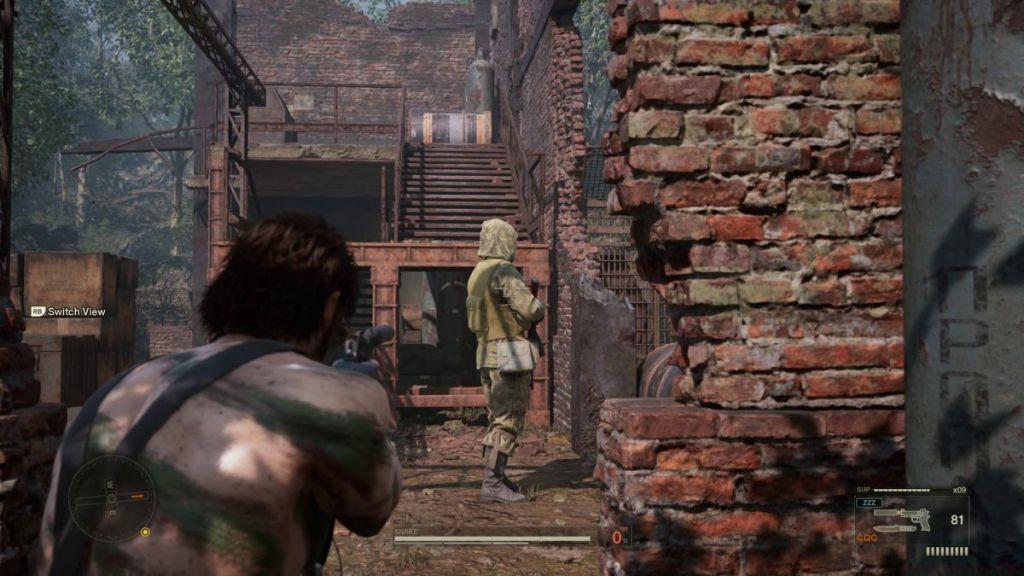
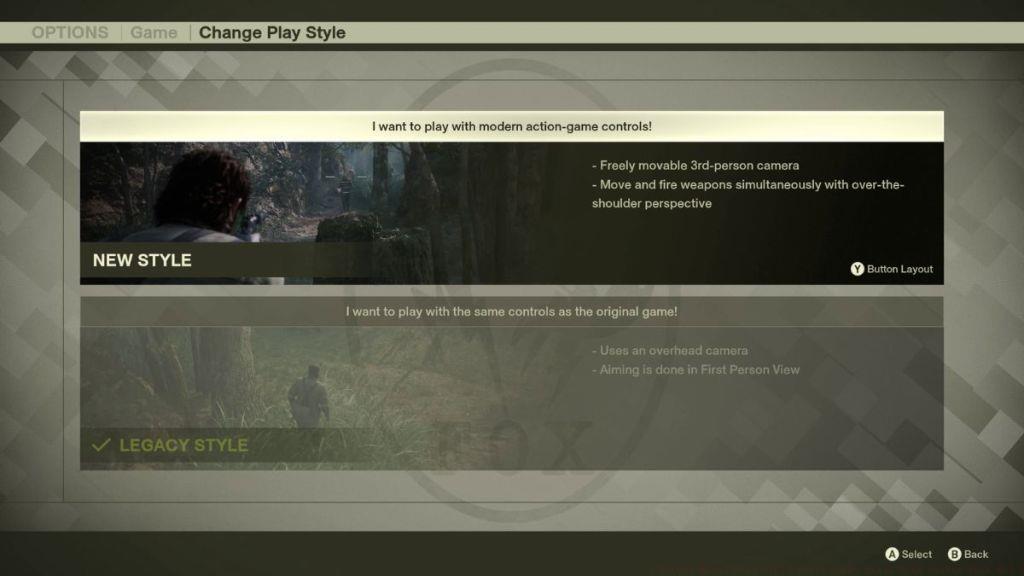
Conversely, the innovative New Style mode implements a contemporary over-the-shoulder third-person camera that aligns with modern gaming conventions while offering a refreshing reinterpretation of Metal Gear’s core mechanics. This camera system operates similarly to Metal Gear Solid V: Phantom Pain’s implementation but demonstrates superior functionality during hipfire weapon usage, and allows seamless transition into first-person mode for enhanced precision targeting.
Pro Tip: Switch between camera modes based on your current objective – Legacy Style excels in wide-area navigation and enemy tracking, while New Style provides superior aiming accuracy and close-quarters combat advantages.
The combat system in Metal Gear Solid Delta receives substantial refinements that dramatically improve player agency and tactical options. Weapon handling feels more responsive and intuitive, with enhanced feedback systems that provide clearer indications of enemy awareness states and environmental interactions.
Avoid This Mistake: Many players underestimate the importance of mastering both camera systems. Attempting to use only one style throughout the entire game will limit your effectiveness in certain scenarios and prevent you from experiencing the full range of tactical possibilities.
The stealth mechanics incorporate modern detection systems that offer more nuanced enemy behavior patterns. Guards now demonstrate improved peripheral vision awareness and more realistic investigation routines, creating deeper immersion and requiring more strategic planning from players.
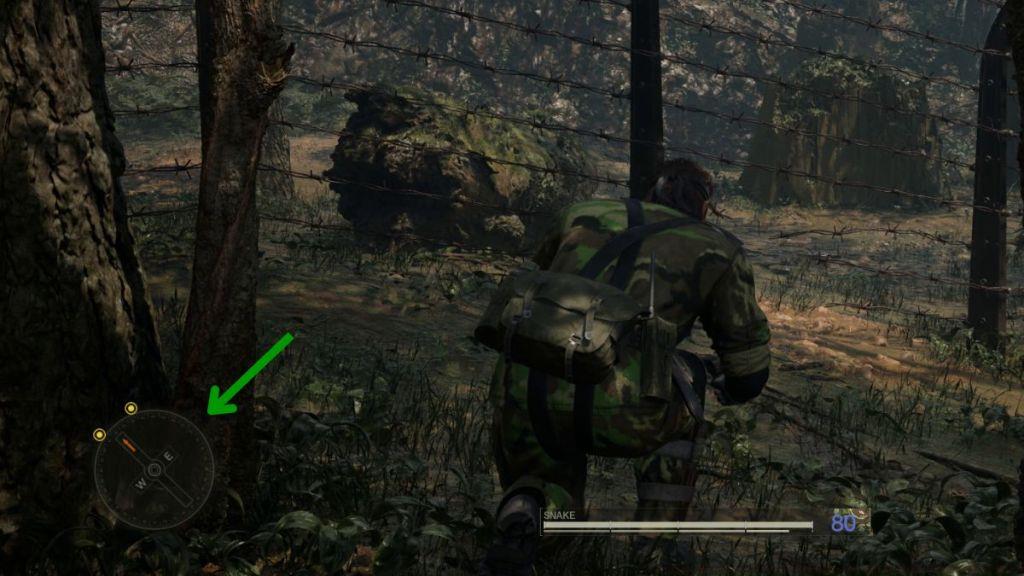
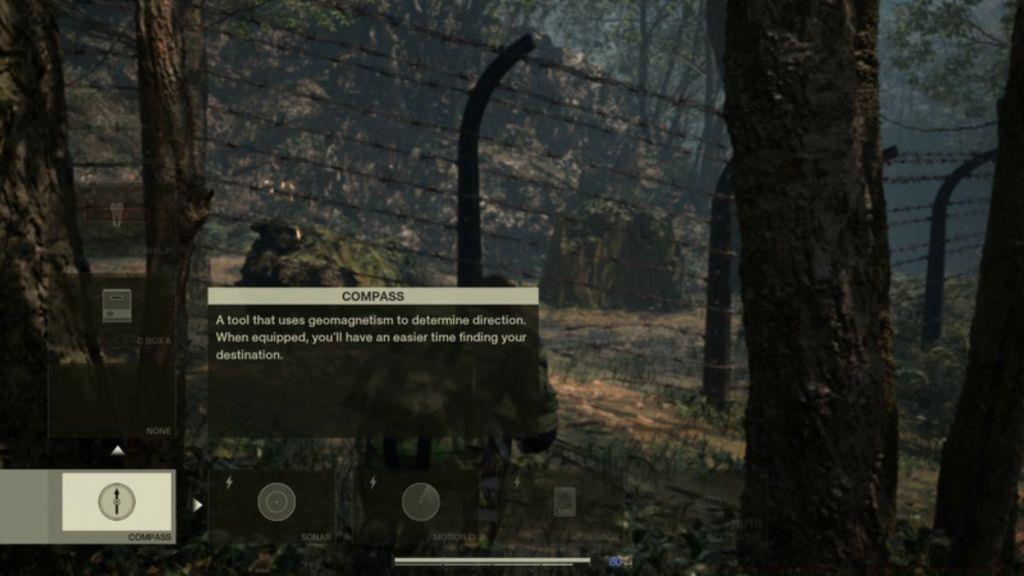
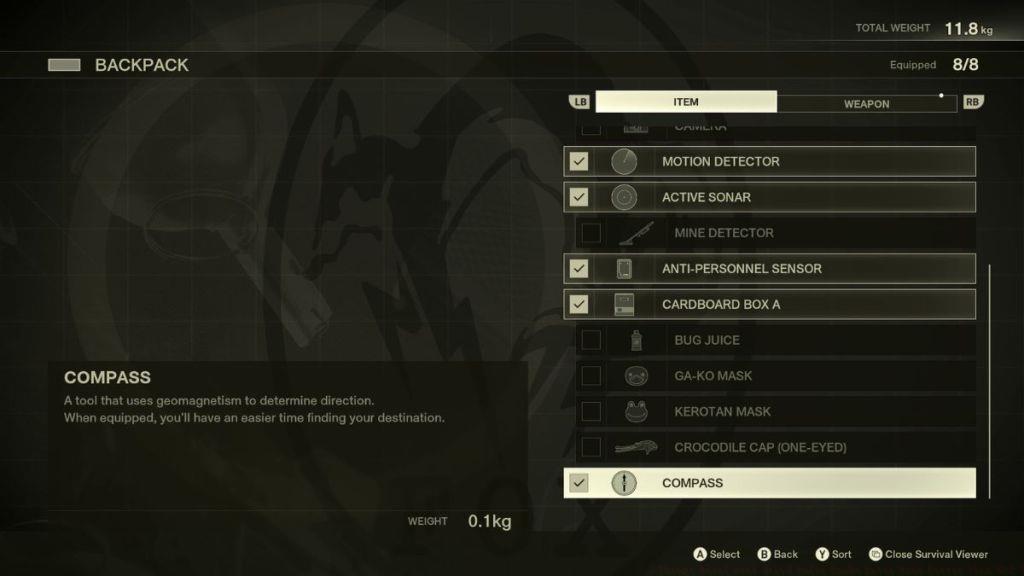
Navigating Tselinoyarsk’s intricate environments posed significant challenges in the original release, where players depended heavily on spatial awareness and frequent codec consultations that often resulted in disorientation within complex military installations. The redesigned compass system in Delta introduces a discreet HUD element positioned in the screen’s lower corner, providing continuous directional guidance toward primary objectives without disrupting visual immersion.
Activating the compass requires accessing your equipment inventory through the backpack interface. Once located among your gear, utilize the left directional pad button to cycle through available items and designate the compass as your active tool. This streamlined approach eliminates the immersion-breaking pauses for map consultation or radio communication that characterized the 2004 version, facilitating smoother movement through hostile territory.
While the compass significantly reduces aimless exploration, it doesn’t eliminate the thrill of discovery. Players will still encounter unexpected finds like concealed items or the elusive Tsuchinoko creature. This balanced design makes the game more accessible to newcomers while providing valuable assistance to experienced players attempting speedrun challenges. Unlike Metal Gear Solid V’s comprehensive minimap, Delta’s compass maintains screen clarity, preserving the focused stealth experience that defines the series.
Metal Gear Solid Delta delivers dramatically improved save and load functionality compared to Metal Gear Solid 3: Snake Eater, enhancing gameplay continuity across PlayStation 5, Xbox Series X/S, and PC platforms. The PlayStation 2 original featured cumbersome saving procedures that forced players to interrupt gameplay, access the codec menu, and establish contact with Para-Medic specifically for saving progress, compounded by disruptive loading screens between segmented map sections that fractured the gaming experience.
Delta addresses these limitations with an intuitive quick-save mechanism accessible via the D-pad (up button on both Xbox and PlayStation controllers), enabling instantaneous progress preservation without navigating complex menu systems. The reloading process has been similarly optimized, bypassing the original’s main menu sequence that added unnecessary delays.
An enhanced autosave system automatically returns players to the start of their most recently entered zone when utilizing quick-load functionality. This proves particularly valuable when retrying stealth sequences or perfecting non-lethal mission approaches. Although Delta retains the segmented map structure from the 2004 release, loading transitions have been substantially shortened thanks to contemporary hardware capabilities.
Delta breathes new life into the eccentric mini-games Snake vs. Monkey and Guy Savage from Metal Gear Solid 3, delivering contemporary visual enhancements while preserving their distinctive personality. These entertaining diversions, emblematic of Hideo Kojima’s unconventional design philosophy, offer refreshing breaks from Naked Snake’s primary espionage mission, with Delta substantially improving both their visual presentation and accessibility features.
Action Checklist
- Experiment with both camera styles in the opening area to determine your preference
- Master the seamless transition between hipfire and first-person aiming modes
- Practice environmental camouflage usage in different terrain types
- Learn enemy patrol patterns using both camera perspectives
- Activate compass navigation via equipment menu and left D-pad cycling
- Utilize quick-save (D-pad up) before challenging stealth sections
- Practice quick-load for mission retries to master non-lethal approaches
- Explore mini-games between main missions for hidden rewards
No reproduction without permission:Tsp Game Club » 8 Things Metal Gear Solid Delta Snake Eater Does Better than MGS 3