
TL;DR
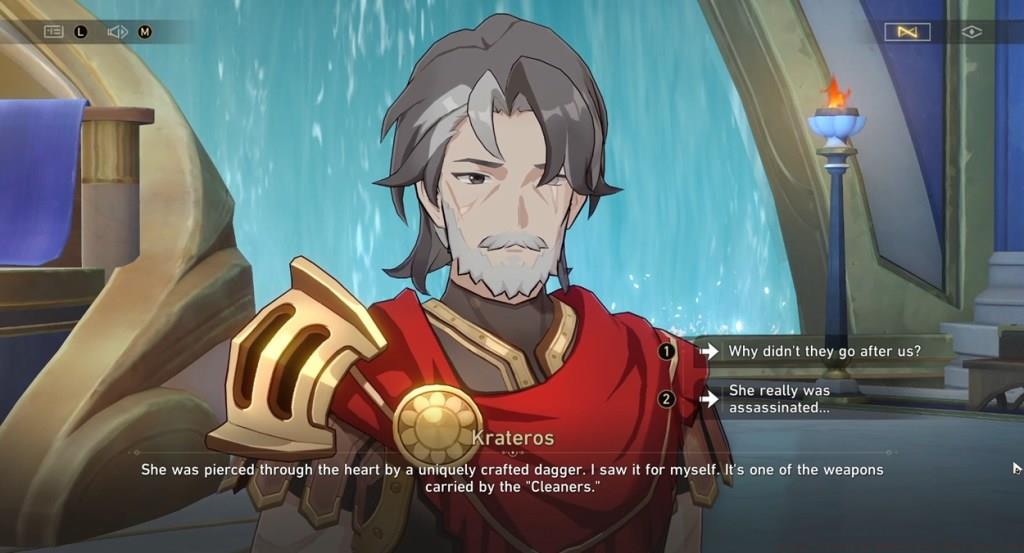
- Aglaea was killed by Caenis using a special knife capable of destroying Chrysos Heirs
- Her death was strategically planned to force Phainon’s leadership development
- The confrontation involved hostage threats against deaf children from Okhema
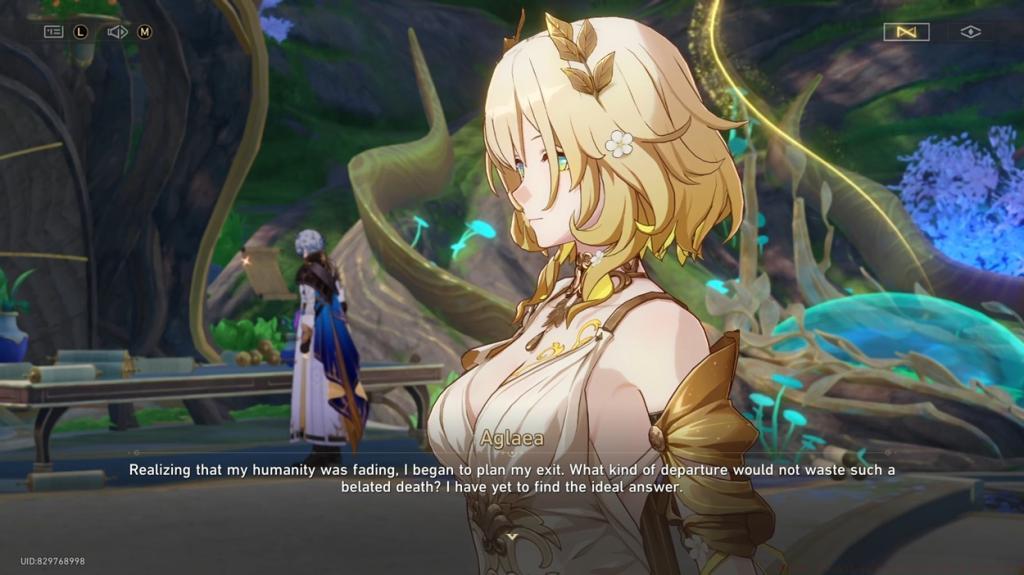
- Aglaea’s thousand-year existence had diminished her human senses and vitality
- This calculated sacrifice propelled the Flame-Chasing journey toward its conclusion
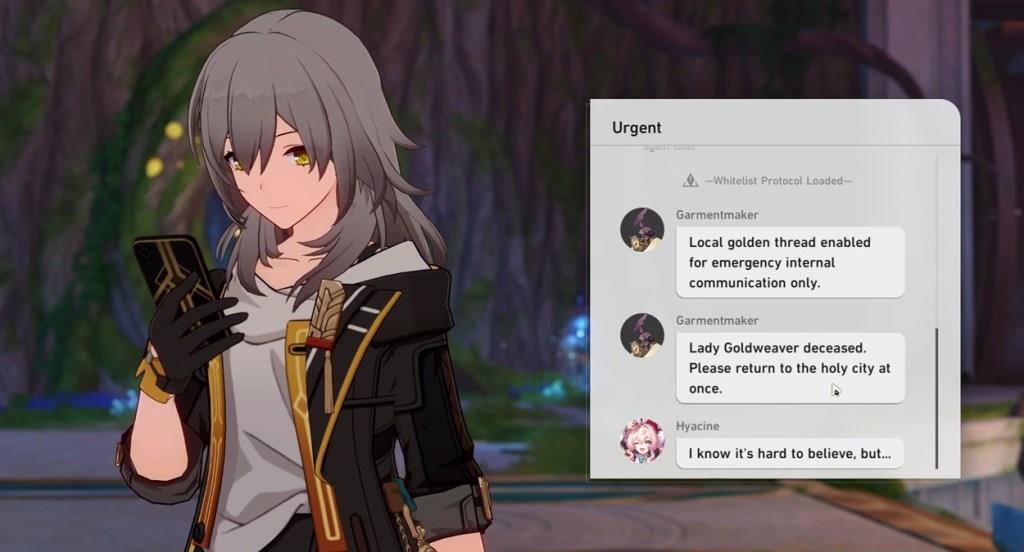
The Honkai Star Rail 3.3 update delivered a narrative shockwave with Aglaea’s unexpected demise, leaving many players grappling with confusion about the circumstances. Unlike typical character deaths that occur during dramatic boss battles or heroic last stands, Aglaea’s passing happened off-screen, creating significant ambiguity around the events.
Understanding the mechanics of her death requires examining the confrontation with Caenis and the specialized weaponry involved. The Cleaners faction employed a uniquely crafted blade specifically designed to neutralize Chrysos Heirs – demigod beings who typically possess near-immortal qualities. This explains how ordinary humans could overcome someone of Aglaea’s formidable power level.
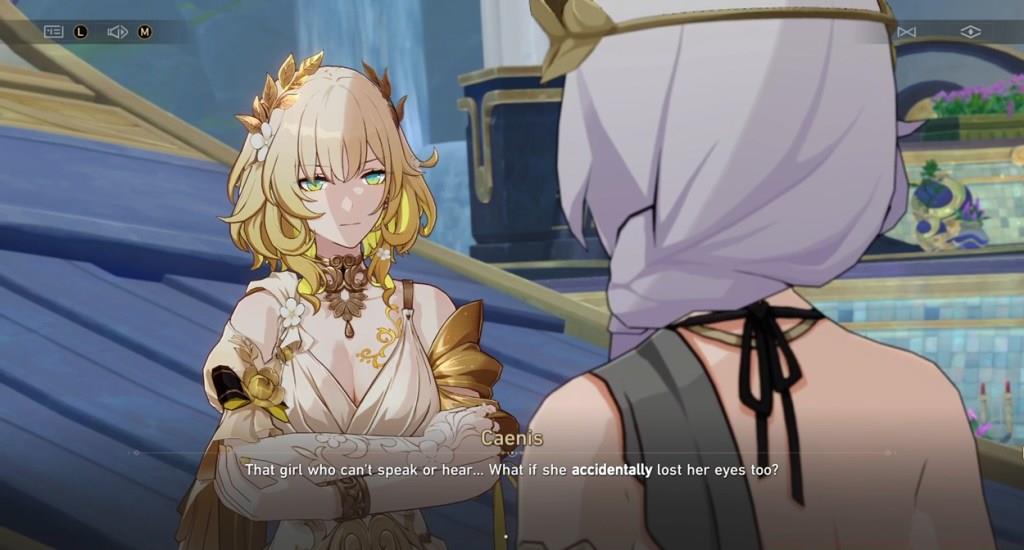
Many players have questioned why Aglaea, renowned as the most ruthless Chrysos Heir and capable of protecting entire Okhema with her golden threads, would succumb to such a threat. The answer lies in the hostage situation where Caenis threatened to blind one of the deaf children under Aglaea’s protection. This tactical maneuver exploited Aglaea’s underlying compassion, creating an impossible dilemma between self-preservation and protecting the vulnerable.
Beneath the surface narrative of a forced surrender lies a more complex truth: Aglaea orchestrated her own demise as the culmination of a meticulously planned strategy. Her death wasn’t a defeat but a calculated move in a larger cosmic game, similar to strategic sacrifices seen in other complex gaming narratives.
After surviving for over a millennium, Aglaea had begun experiencing the inevitable erosion of her human faculties. The prolonged existence that preserved her physical form simultaneously drained her spiritual essence, diminishing the sensory experiences that connected her to mortality. This gradual deterioration provided the context for her willingness to embrace the prophesied end.
The timing of her death was strategically selected to maximize impact on the Flame-Chasing journey’s progression. By choosing this specific moment, she created the necessary catalyst to propel Phainon into the leadership role he had long resisted. This mirrors character development arcs in other RPGs where mentor figures sacrifice themselves to force protagonist growth.
Advanced players should recognize that Aglaea’s sacrifice represents a masterclass in narrative foreshadowing. Her ability to protect Okhema with golden threads demonstrated she could have easily neutralized the threat, confirming her complicity in the outcome. The hostage situation merely provided the public justification for an already determined course of action.
Common mistakes in interpreting this storyline include underestimating Aglaea’s agency in the events. Many players assume she was overpowered, when in reality she leveraged the confrontation to achieve strategic objectives that served the greater cosmic balance.
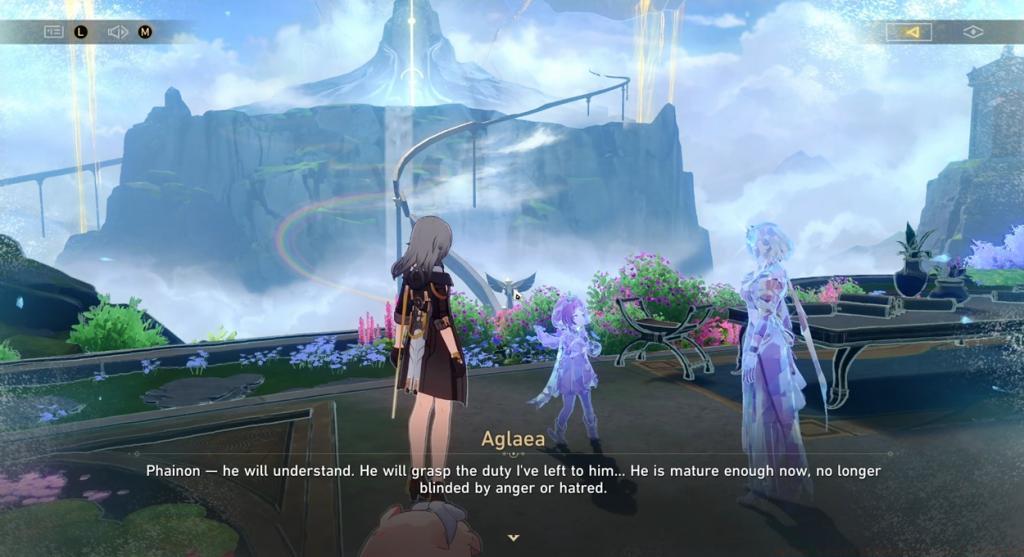
Aglaea’s death triggered immediate and far-reaching consequences throughout Amphoreus. The political vacuum created by her absence destabilized existing power structures, forcing other Chrysos Heirs to reconsider their positions and alliances. This created the chaotic narrative environment that defines the Honkai Star Rail 3.3 conclusion.
The most significant outcome was Phainon’s forced transformation into the leader that Aglaea had envisioned from their earliest interactions. Her sacrifice eliminated his excuses for avoiding responsibility, compelling him to embrace his destined role in the cosmic hierarchy.
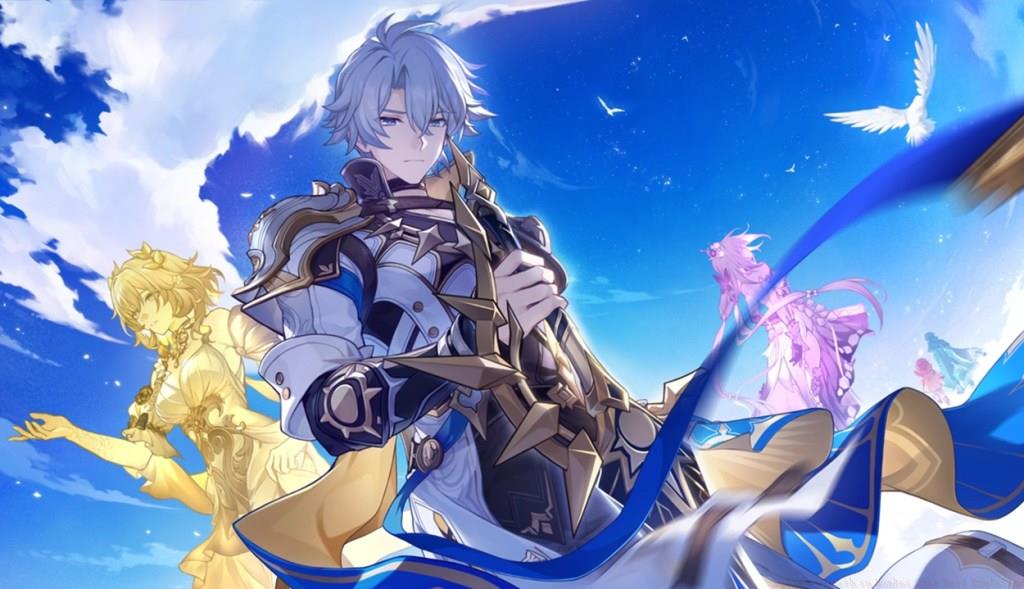
From a gameplay perspective, Aglaea’s death represents a sophisticated narrative device that advances multiple story threads simultaneously. It resolves her character arc while creating new development opportunities for Phainon and other Chrysos Heirs, similar to how major character deaths function in other complex RPG narratives.
The storyline demonstrates Hoyoverse’s commitment to mature storytelling where character motivations operate on multiple levels. Players seeking to fully appreciate the narrative depth should consider replaying earlier interactions with Aglaea to identify foreshadowing elements they may have missed initially.
Optimization tip: When analyzing complex storylines like Aglaea’s death, create a timeline of her previous appearances and dialogue to better understand the strategic thinking behind her final actions.
Action Checklist
- Replay Aglaea’s earlier story segments to identify foreshadowing clues
- Analyze dialogue with other Chrysos Heirs about prophecies and destinies
- Study the Cleaners faction weapons and capabilities in the game codex
- Compare Aglaea’s sacrifice to other mentor character deaths in RPGs
- Document the immediate consequences of her death on Amphoreus politics
No reproduction without permission:Tsp Game Club » Aglaea’s Death in Honkai Star Rail Explained Uncovering Aglaea's strategic sacrifice and the hidden motivations behind her death in Honkai Star Rail 3.3