
TL;DR
- Ultron’s Battle Matrix Protocol launches June 6, 2025 as a limited-time auto chess mode
- Select six heroes from Marvel Rivals roster and battle five opponents in point-elimination format
- Positioning is critical – protect ranged units and counter assassin threats with proper formation
- Master economy management through strategic card purchases and synergy optimization
- Adapt strategies between rounds by scouting enemy boards and adjusting team compositions
Marvel Rivals introduces an exciting new dimension to its gameplay with Ultron’s Battle Matrix Protocol, an auto chess experience that combines strategic depth with beloved Marvel characters. This limited-time mode, launching on June 6, 2025, brings the tactical complexity of autobattlers like Teamfight Tactics and Dota Underlords into the Marvel universe. While not a direct crossover with League of Legends, it captures that same strategic energy fans of the genre crave.
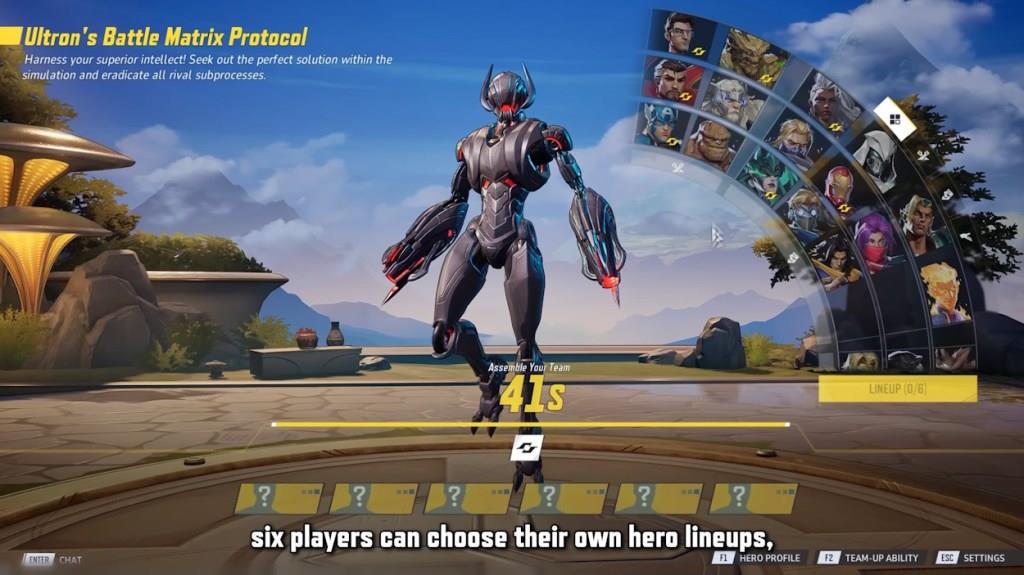
Auto chess represents a subgenre of strategy games where players draft units, position them on a battlefield, and watch them automatically battle opponents. Ultron’s Battle Matrix Protocol puts a distinctive Marvel spin on this formula, allowing you to command six heroes simultaneously rather than building up from a single unit. The mode emphasizes tactical decision-making, resource management, and adaptive strategies that evolve throughout each match.
Unlike traditional autobattlers that begin with gradual unit acquisition, Ultron’s Battle Matrix Protocol immediately places you in command of six heroes selected from the available Marvel Rivals roster. However, be aware that character availability may be limited during the initial release phase. This immediate six-hero start demands careful consideration of team composition from your very first decision.
The competitive structure pits you against five other players in a round-based point elimination format. Each participant begins with 50 points, and every defeat reduces this total. Victory goes to the final survivor, making every round crucial and team synergy paramount to success. The elimination system creates escalating tension as players are removed from contention.
Strategic unit placement forms the foundation of success in Marvel Rivals’ auto chess mode. Each hero possesses unique abilities and combat preferences that dictate optimal positioning. Ranged specialists like Hela function as backline damage dealers but become vulnerable when exposed to close-quarters combat. Protecting these fragile powerhouses requires positioning durable Vanguard units as frontline shields.
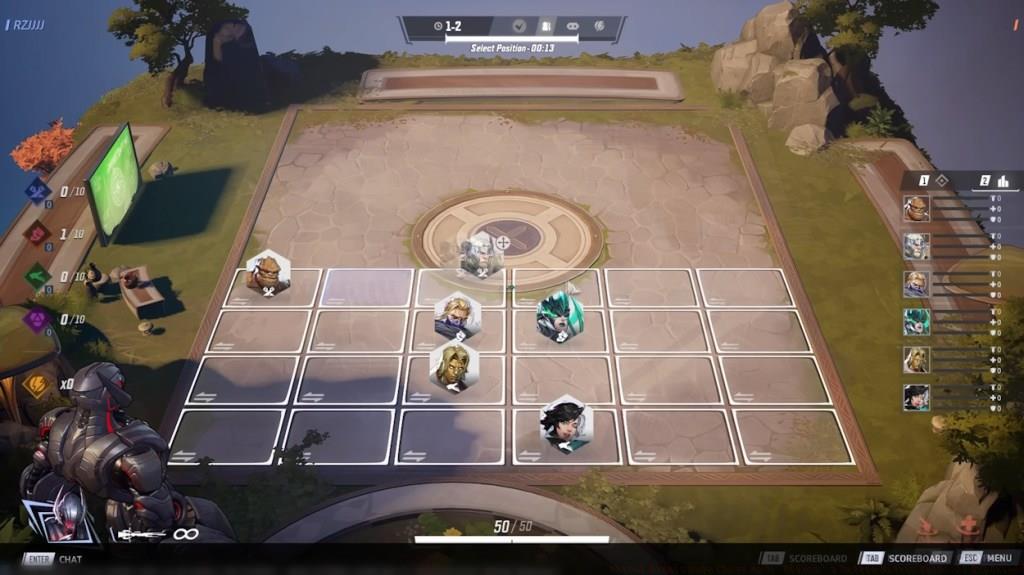
Assassin-type units present significant threats to your formation, capable of bypassing frontlines to target vulnerable backline heroes. Counter these mobile threats by placing supportive or tanky characters in your rear positions to absorb initial strikes. Intelligent positioning frequently proves more valuable than raw statistical power, requiring constant adaptation to opponent strategies.
Between combat rounds, thoroughly analyze enemy board configurations and adjust your formation accordingly. This scouting phase provides critical intelligence about upcoming threats and opportunities. Successful players maintain flexibility, recognizing that static formations inevitably get countered by adaptive opponents.
Economic management represents another crucial skill for dominating Ultron’s Battle Matrix Protocol. Strategic point allocation at the Card Shop enables powerful synergy creation and stat enhancements. Developer previews display synergy icons on the interface’s left side, though specific mechanics remain officially unconfirmed at launch.
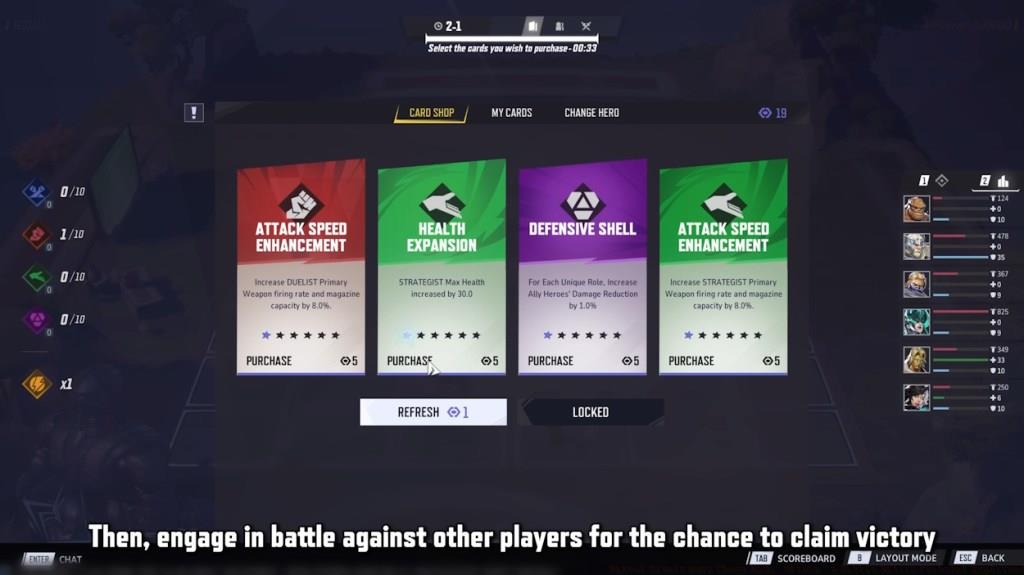
The card-based enhancement system provides various buffs and abilities to strengthen your heroes. Learning optimal purchasing patterns and timing your investments separates competent players from true masters. Early-game economy building often determines late-game victory potential.
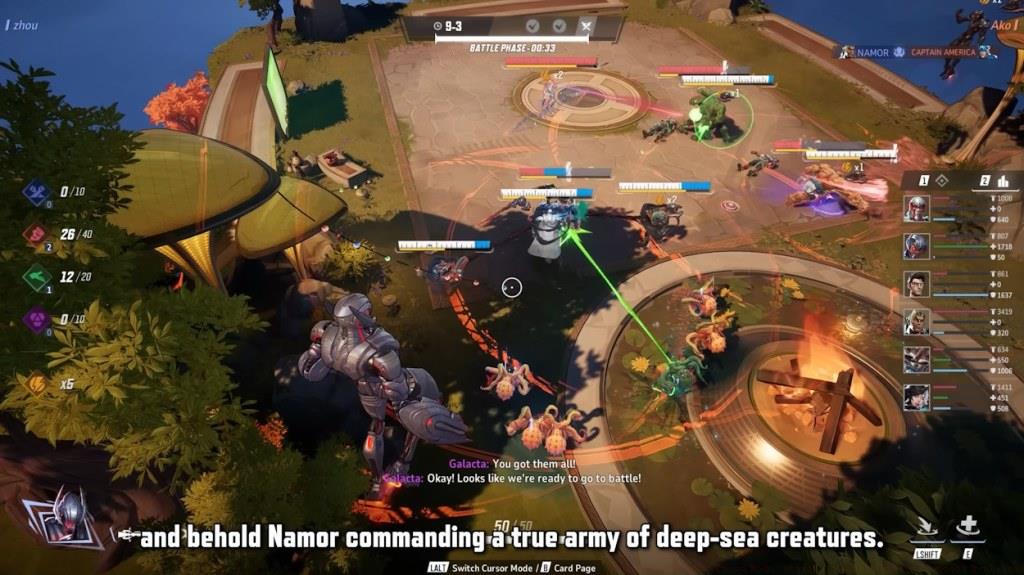
Avoid the common mistake of over-investing in early-game power at the expense of economic development. Many novice players exhaust their resources on immediate upgrades, leaving them resource-starved during critical mid-game transitions. Instead, maintain a balanced approach that preserves flexibility for countering opponent strategies.
Advanced players excel at reading the meta and adapting their team compositions accordingly. If multiple opponents focus on assassin-heavy compositions, pivot toward formations with strong backline protection. When facing tank-heavy opponents, incorporate armor-shredding capabilities into your lineup.
Team composition diversity prevents hard counters from single opponents. Avoid stacking too many heroes with similar vulnerabilities, as coordinated enemy strategies will exploit these weaknesses. Spread your threats across different damage types and positioning requirements.
Time management between rounds becomes increasingly important as matches progress. Allocate approximately 15-20 seconds for scouting enemy boards, 10-15 seconds for repositioning units, and 5-10 seconds for economic decisions. This structured approach prevents rushed choices and strategic errors.
For players seeking to master similar strategic gameplay, our Class Guide provides additional insights into team composition fundamentals that translate well to auto chess formats.
Action Checklist
- Analyze hero roster and plan initial six-hero composition with synergy considerations
- Position ranged damage dealers behind tank units and prepare backline assassin counters
- Manage economy by balancing immediate upgrades with long-term resource accumulation
- Scout opponent boards between rounds and adapt formations accordingly
- Adjust team composition based on meta trends and opponent strategies
No reproduction without permission:Tsp Game Club » Marvel Rivals Auto Chess Mode: Ultron’s Battle Matrix Protocol Explained Master Marvel Rivals' new auto chess mode with strategic positioning, economy management, and synergy optimization tips