
TL;DR
- Liberty City appears in six GTA games, making it Rockstar’s most-used location
- San Andreas evolved from single city to massive state representing California and Nevada
- Vice City’s Miami-inspired setting returns in GTA 6 with expanded Leonida state
- Only GTA 2’s Anywhere City lacks real-world geographical inspiration
- Each location features distinct cultural and architectural authenticity
For nearly three decades, Grand Theft Auto has transported players to meticulously crafted virtual cities that feel astonishingly alive. As a dedicated GTA enthusiast, I’ve marveled at how each location evolves across installments, from the pixelated streets of the original 1997 game to the sprawling state of Leonida in the upcoming GTA 6. These digital landscapes aren’t just backdrops—they’re characters in their own right, shaping narratives and player experiences.
The franchise’s geographical journey spans multiple continents and eras, with most settings drawing direct inspiration from real-world cities. This comprehensive guide examines every canonical location throughout the series’ history, providing insights into Rockstar’s world-building philosophy and what makes each virtual city memorable.
Understanding the chronological progression of GTA locations reveals Rockstar’s evolving approach to virtual world design. The table below documents every main series game and significant spin-off, highlighting how locations have expanded in scale and detail over time.
| Game | Location | Release Date |
|---|---|---|
| Grand Theft Auto | Liberty City, San Andreas, and Vice City | 1997 |
| Grand Theft Auto 2 | Anywhere City | 1999 |
| GTA: London | London | 1999 |
| Grand Theft Auto 3 | Liberty City | 2001 |
| GTA: Vice City | Vice City | 2002 |
| GTA: San Andreas | San Andreas | 2004 |
| Grand Theft Auto Advance | Liberty City | 2004 |
| GTA: Liberty City Stories | Liberty City | 2005 |
| GTA: Vice City Stories | Vice City | 2006 |
| Grand Theft Auto 4 | Liberty City | 2008 |
| GTA: Chinatown Wars | Liberty City | 2009 |
| Grand Theft Auto 5 | San Andreas, Los Santos | 2013 |
| Grand Theft Auto 6 | Leonida, Vice City | 2025 |
Strategic Insight: When exploring these locations, prioritize understanding district layouts early—knowing escape routes and strategic positions significantly enhances gameplay effectiveness across all mission types.
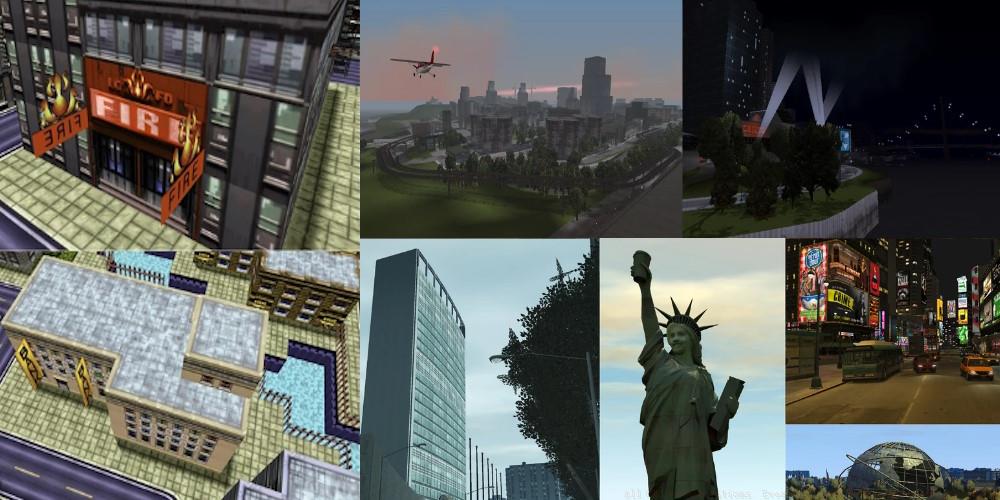
Liberty City stands as Rockstar’s most frequently revisited virtual metropolis, featuring in an impressive six separate GTA titles. This enduring popularity stems from its masterful interpretation of New York City’s distinctive energy and architecture. The fictional location captures Manhattan’s skyline, Brooklyn’s residential neighborhoods, and even New Jersey equivalents through creative geographical compression.
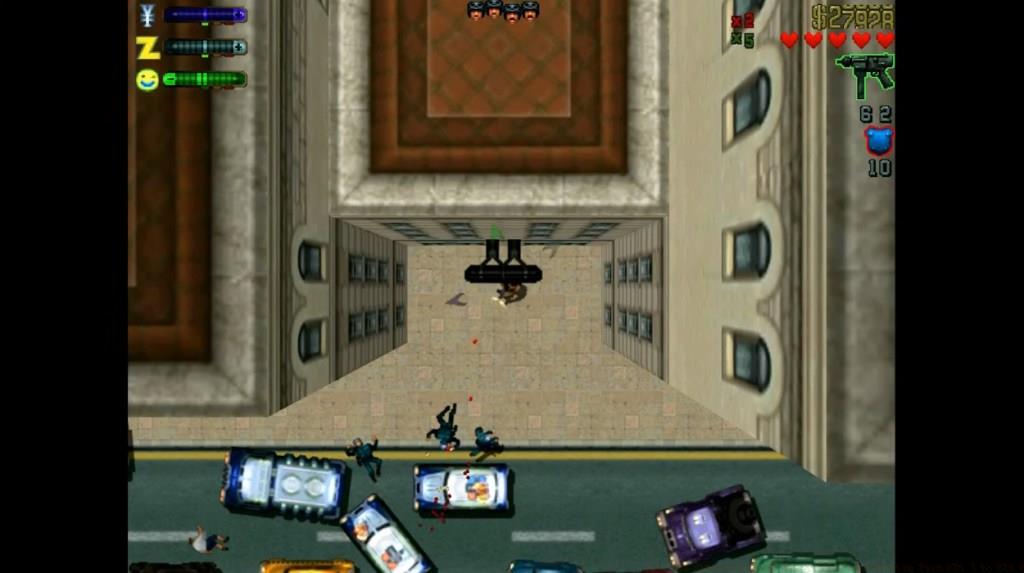
The city’s evolution demonstrates Rockstar’s technical progression—from the top-down perspective of the original game to the fully realized 3D environment of GTA 3, and finally the stunning detail of GTA 4’s rendition. Each iteration expanded the playable area while maintaining the core identity that makes Liberty City instantly recognizable to series veterans.
Common Mistake: Many players underestimate how district knowledge affects mission success—spending time learning alleyways and rooftop access points in Liberty City pays dividends throughout gameplay.
Geographical authenticity extends beyond Manhattan parallels. GTA 4 introduced Alderney as a scaled-down New Jersey representation, integrating real-world locations like Jersey City into the metropolitan fabric. This attention to regional detail creates a cohesive virtual state that feels geographically plausible despite its compressed scale.
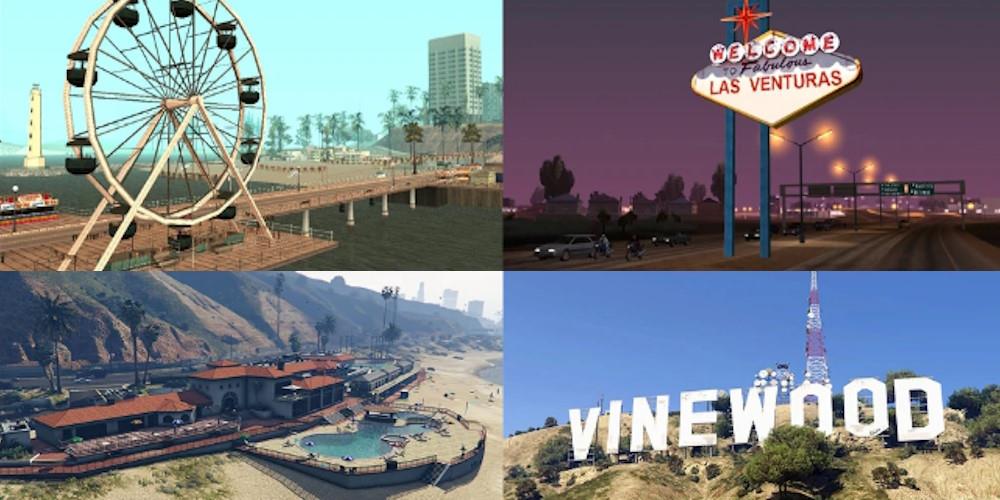
San Andreas represents Rockstar’s most ambitious geographical expansion, evolving from a single city representation to an entire state capturing California’s diverse landscapes. My initial encounter with this location in GTA: San Andreas revealed a stunningly varied territory spanning urban centers, desert wastes, forested mountains, and coastal communities.
The location debuted as San Francisco’s fictional counterpart in the original 1997 game but achieved its full potential in GTA: San Andreas. This installment transformed the setting into a comprehensive state analog, incorporating Los Angeles as Los Santos, San Francisco as San Fierro, and Las Vegas as Las Venturas, creating unprecedented environmental diversity within a single game world.
Advanced Optimization: Master the terrain variations—desert driving requires different vehicle handling than urban navigation, and understanding regional weather patterns can provide tactical advantages during pursuits and missions.
GTA 5 further refined this concept by focusing primarily on Los Santos and Blaine County, offering greater detail within a more concentrated area while maintaining the state’s geographical identity.
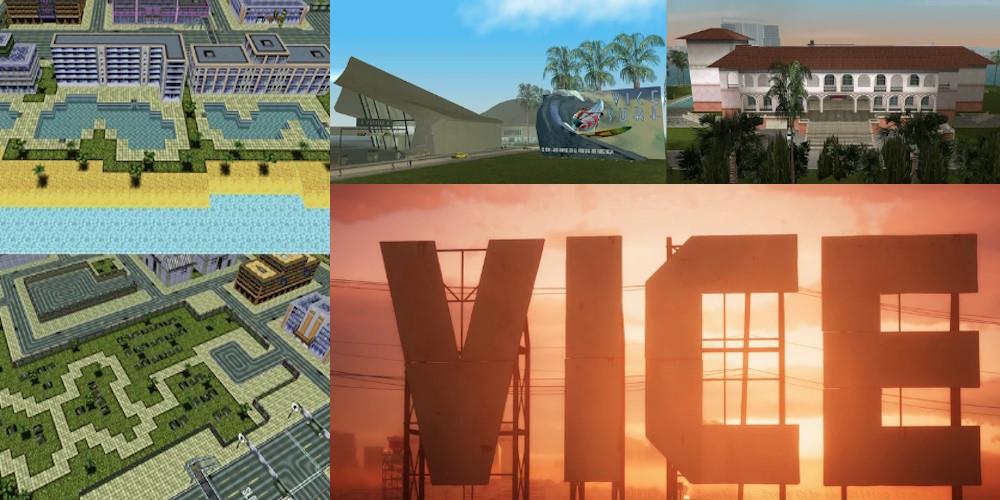
Vice City has become so culturally embedded that many gamers now reference it interchangeably with its real-world inspiration. Rockstar’s rendition of Miami transcends simple replication, capturing the city’s distinctive neon aesthetic, art deco architecture, and vibrant cultural atmosphere with remarkable authenticity.
The location’s triumphant return in GTA 6 represents Rockstar’s most ambitious geographical project to date. The expansion to include Leonida state suggests we’ll experience Florida’s diverse environments beyond Miami’s urban core, potentially incorporating Everglades-inspired wetlands and other regional landmarks.
Practical Strategy: When GTA 6 releases, dedicate your first hours to understanding Vice City’s updated layout—previous knowledge from earlier games may provide helpful orientation but expect significant expansions and alterations to the urban landscape.
The cultural replication extends beyond visual elements to include period-appropriate music, fashion, and cultural references that immerse players completely in each era’s distinctive vibe.
Beyond the recurring metropolitan centers, several GTA locations appear only once in the series, offering unique geographical experiences. GTA: London remains the franchise’s sole European excursion, capturing 1960s and 1970s British culture with Rockstar’s signature satirical edge.
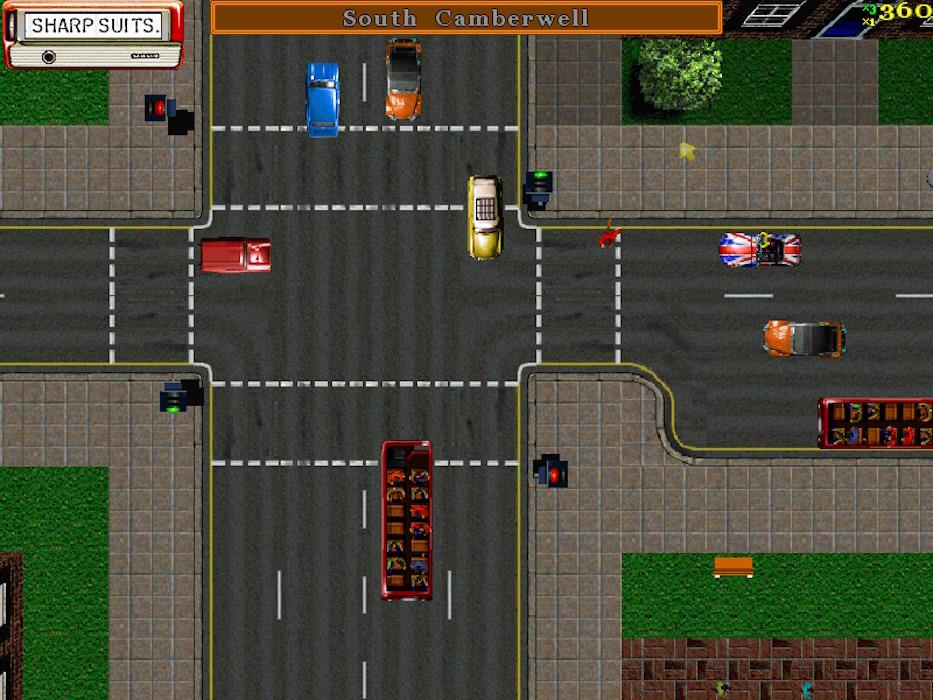
Anywhere City from GTA 2 stands alone as the series’ only location without direct real-world inspiration. This futuristic, dystopian setting represents a departure from Rockstar’s usual geographical authenticity, instead creating a generic urban landscape suited to the game’s more arcade-style gameplay.
Future Projection: Based on Rockstar’s location pattern evolution, expect future GTA installments to continue expanding geographical scope while maintaining cultural and architectural authenticity.
These unique settings demonstrate Rockstar’s willingness to experiment with location diversity while maintaining the core gameplay elements that define the franchise.
Action Checklist
- Study district maps for Liberty City to identify strategic choke points and escape routes
- Practice vehicle handling across San Andreas’ diverse terrain types
- Analyze cultural references in Vice City to enhance immersion understanding
- Compare real-world cities with their GTA counterparts to appreciate design choices
- Create location-specific strategy notes covering environmental advantages and limitations
No reproduction without permission:Tsp Game Club » All GTA Game Locations: Every City and Setting from GTA 1 to GTA 6 Complete guide to all Grand Theft Auto game locations from 1997 to GTA 6 with detailed city analysis