
TL;DR
- Wild Forest combines RTS mechanics with tower defense on Ronin blockchain
- Master territory control and three core structures for resource management
- Strategic unit deployment and micro-management are key to victory
- Day/night cycle and fog of war add tactical depth to battles
- Connect Ronin wallet to participate in play-to-airdrop reward campaigns
Your ultimate resource for mastering Wild Forest, packed with essential strategies and insights for new commanders entering this blockchain RTS experience.
Searching for engaging gaming experiences during the current Play-to-Airdrop season? Wild Forest presents an excellent opportunity, particularly for real-time strategy enthusiasts. This comprehensive guide explores the fundamental mechanics of Wild Forest and details participation in their rewarding airdrop initiatives. Before diving into gameplay specifics, let’s establish what makes this title stand out in the gaming landscape.
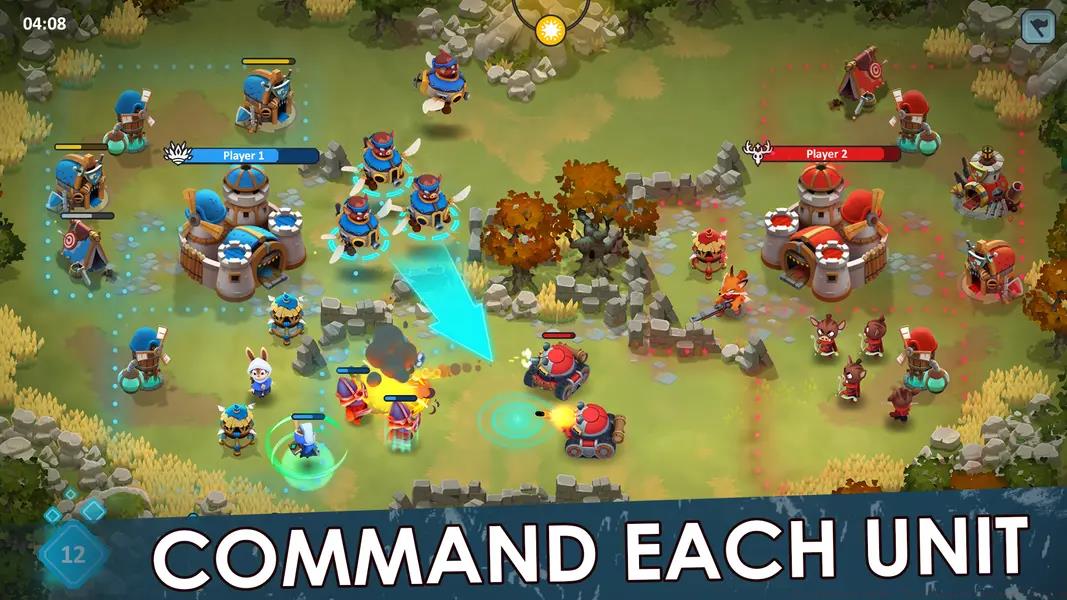
Wild Forest operates as a real-time strategy title built on the Ronin blockchain network. Imagine blending defensive tower placement systems with the distinctive unit variety found in titles like Clash Royale. The distinguishing feature? You maintain direct control over unit positioning, tactical commands, and detailed micro-management! This creates dynamic battlefield experiences that reward strategic thinking. Let’s begin your command journey.

Wild Forest primarily functions as a mobile gaming experience compatible with Android and iOS platforms, though desktop players can access the game through Mavishub’s PC client. After installation, synchronize and connect your Ronin cryptocurrency wallet to maintain progression continuity and asset ownership. This connection process proves crucial for potential airdrop reward distribution should you meet eligibility criteria.
When initiating gameplay, you’ll observe symmetrical base layouts for both your forces and opponent forces across the battlefield. The terrain contains multiple territorial zones that become claimable through unit deployment and sustained presence. After securing territory, you gain construction privileges, with available building slots determined by each zone’s capacity limitations.

Beyond your central headquarters, Wild Forest incorporates three essential facility types: Mines, Barracks, and defensive Towers. Mines generate mana resources that regenerate continuously, serving as the currency for unit summoning and structural improvements. Consider mana the essential fuel driving your military operations, allowing sustained engagement capabilities. Barracks function as unit production centers where you deploy combat forces. Every unit deployment consumes mana reserves, and Barracks upgrades unlock access to more potent military assets. Defensive Towers serve as protective installations that automatically engage hostile units within their operational radius when positioned within controlled territory, providing crucial base defense support.
Pro Tip: Always prioritize Mine construction in newly captured territories to accelerate mana production, enabling faster unit deployment and structure upgrades throughout matches.

Wild Forest showcases charming animal-themed combat units that you directly position and command during engagements. Foundational units include traditional infantry types like swordsmen, cavalry knights, and ranged snipers, each fulfilling specialized combat functions including offensive damage, defensive tanking, and support utilities.

Every military unit possesses individualized statistics covering health points, protective armor, engagement range, and mobility speed. This unit diversity enables varied tactical approaches and combat methodologies. As you advance through Wild Forest’s competitive ranking tiers, you’ll obtain access to increasingly powerful units for constructing optimized battle decks. These combat assets can be accumulated and enhanced, progressively strengthening your military capabilities and tactical flexibility.
Common Mistake: Avoid over-investing in expensive elite units early game—instead, maintain balanced unit composition to handle various threat types and prevent resource depletion.

Strategic unit deployment requires understanding counter systems: swordsmen excel against buildings but struggle versus ranged units, while knights tank damage effectively but move slowly. Snipers provide long-range support but need protection from fast melee units. For comprehensive military strategy insights, explore our Class Guide covering unit role optimization.
Victory in Wild Forest engagements requires destroying the opponent’s headquarters while safeguarding your own installation. While conceptually straightforward, high-level competitive play introduces considerable complexity. One distinctive gameplay element involves the dynamic Day and Night Cycle mechanism. Daylight conditions provide complete battlefield visibility for both combatants, facilitating strategic preparation and coordinated movements. During nocturnal phases, sections of the terrain become obscured by “Fog of War” mechanics, only becoming visible when friendly units operate within concealed areas. This environmental system introduces additional strategic considerations, demanding enemy movement prediction and carefully timed assault coordination.

Wild Forest’s defining characteristic involves manual unit placement and individual command control for every deployed combatant, creating competitive gameplay emphasizing tactical micro-management for optimal strategic execution. This depth element demands rapid adaptation and responsive decision-making as combat situations dynamically evolve.
Advanced Technique: During night phases, use fast scout units to reveal enemy movements while keeping main forces in defensive positions to avoid ambushes. Coordinate major attacks during daytime when visibility maximizes tactical advantages.
Mastering these advanced tactics will significantly improve your win rate. For additional strategic frameworks applicable across various game genres, consult our Complete Guide to tactical gameplay principles.
The Play-to-Airdrop initiative represents Wild Forest’s reward distribution system for active participants. To qualify for potential token allocations, players must connect their Ronin wallet before commencing gameplay and maintain consistent engagement throughout campaign periods. Reward structures typically correlate with achievement completion, competitive ranking performance, and overall activity metrics.

Campaign Optimization Strategy: Focus on completing daily and weekly quests systematically, as these often contribute significantly to airdrop eligibility scores. Prioritize climbing competitive leagues since higher rankings typically yield better reward multipliers. Regular gameplay sessions spread throughout campaign duration prove more effective than last-minute grinding.

Allocate approximately 30-45 minutes daily for quest completion and ranked matches to maintain optimal campaign progress. Avoid neglecting wallet connection verification, as this fundamental step remains mandatory for reward eligibility. For additional gaming reward strategies across different titles, reference our Weapons Unlock guide covering progression optimization techniques.

Action Checklist
- Connect Ronin wallet before first gameplay session
- Master territory control by capturing zones with balanced unit deployment
- Build Mines in new territories before other structures for mana advantage
- Complete daily quests and focus on league progression for airdrop eligibility
- Adapt tactics to day/night cycles using scouts and timed assaults
No reproduction without permission:Tsp Game Club » Wild Forest Guide: The Ultimate Beginner’s Guide Master Wild Forest RTS gameplay with expert strategies, unit management, and play-to-airdrop campaign tactics