
TL;DR
- Master the tactical camera and wreck scavenging for essential early-game resources
- Establish strategic base locations near resource clusters with portable refineries
- Progress from Wend to Nomad Frame for combat capability and resource gathering
- Build the Reflex ship with proper weapon fittings for frontier survival
- Learn efficient base dismantling and jump drive mechanics for system transitions
EVE Frontier represents Web3’s innovative interpretation of the legendary EVE Online universe, delivering a brutally challenging space survival MMO experience. This hardcore environment drops players into the unforgiving void where survival depends on strategic resource management, intelligent base construction, and mastering the game’s unique command-based control system.
Unlike traditional space games where direct ship control is standard, EVE Frontier positions you as a fleet commander rather than a pilot. This fundamental distinction means you’ll issue commands to your vessel through contextual menus and strategic waypoints rather than manual flight controls. Understanding this command hierarchy early prevents frustration and establishes proper gameplay expectations.

EVE Frontier Log in Screen
Your initial vessel, the Wend-class starter ship, represents the absolute bottom tier of spacecraft in EVE Frontier’s hierarchy. This unarmed, resource-limited craft serves as your mobile command center during the critical early hours. Recognizing its limitations while maximizing its utility forms the foundation of successful progression. The Wend’s small size and lack of armament make stealth and avoidance your primary survival strategies until you can upgrade to more capable frames.
Common beginner mistakes include attempting direct combat encounters or venturing too far from resource-rich areas before establishing proper fuel reserves. Seasoned players recommend treating your first few hours as a reconnaissance phase—gathering intelligence about local resource distribution while avoiding unnecessary risks. This cautious approach pays dividends when you transition to more aggressive gameplay later.
Scavenging derelict wrecks constitutes your primary survival activity during EVE Frontier’s opening stages. These abandoned vessels and debris fields contain the essential resources needed to sustain your operations and progress toward more advanced gameplay loops. Efficient wreck identification and looting techniques separate successful commanders from those who perish in the void.
Master the tactical camera system immediately upon spawning. Pressing F2 activates this crucial overview mode, providing a strategic perspective that reveals wreck locations otherwise hidden from standard view. The scroll wheel zooms this camera out further, enabling comprehensive area assessment. This bird’s-eye view proves invaluable for planning efficient scavenging routes and identifying resource-rich zones.
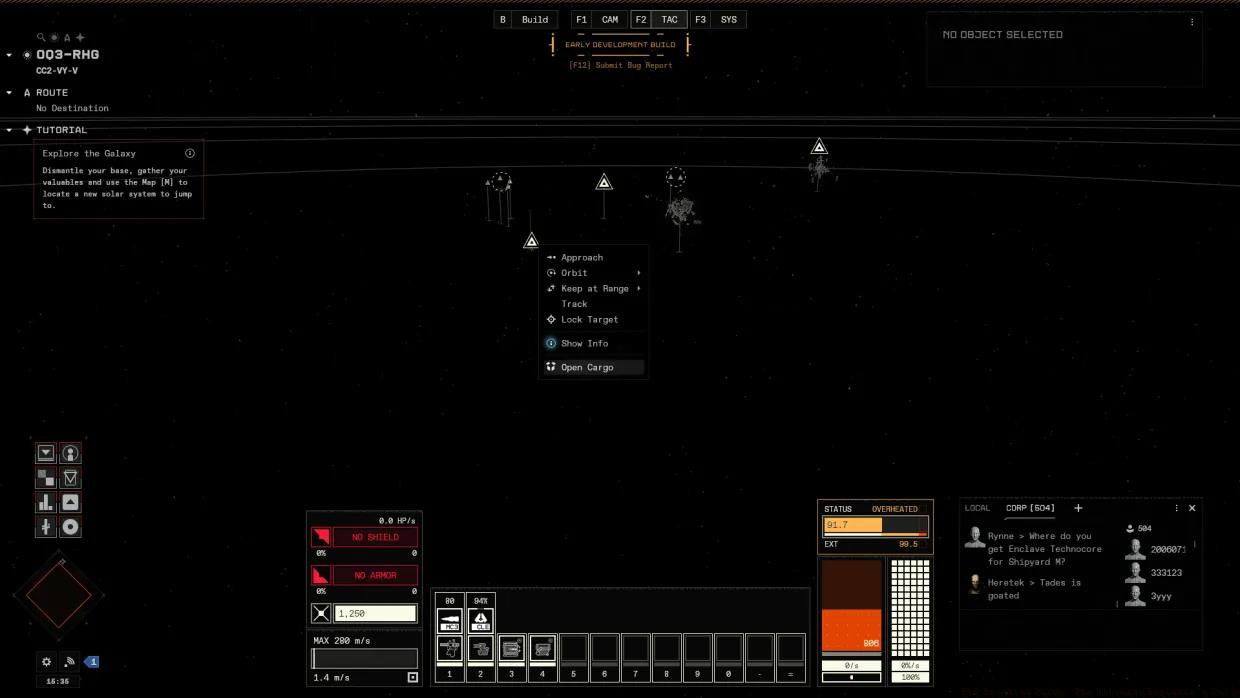
EVE Frontier Tactical Camera
Approach identified wrecks using right-click context menus or the object interface in the top-right screen quadrant. Once within interaction range (typically within 500 meters), press E to access the cargo hold. The “Loot All” function efficiently transfers all contents to your inventory, though experienced players sometimes selectively loot when inventory space becomes constrained. Early wrecks typically contain unstable fuel variants and basic ore types—both critical for immediate survival.
Fuel management represents perhaps the most critical survival skill in EVE Frontier’s early game. Unstable fuel, while abundant in wrecks, depletes rapidly and powers every ship system from propulsion to life support. Immediately transfer scavenged fuel to your ship’s dedicated fuel bay using the inventory interface (hotkey I). Monitor fuel levels constantly—running completely dry immobilizes your vessel permanently, effectively ending your game session.
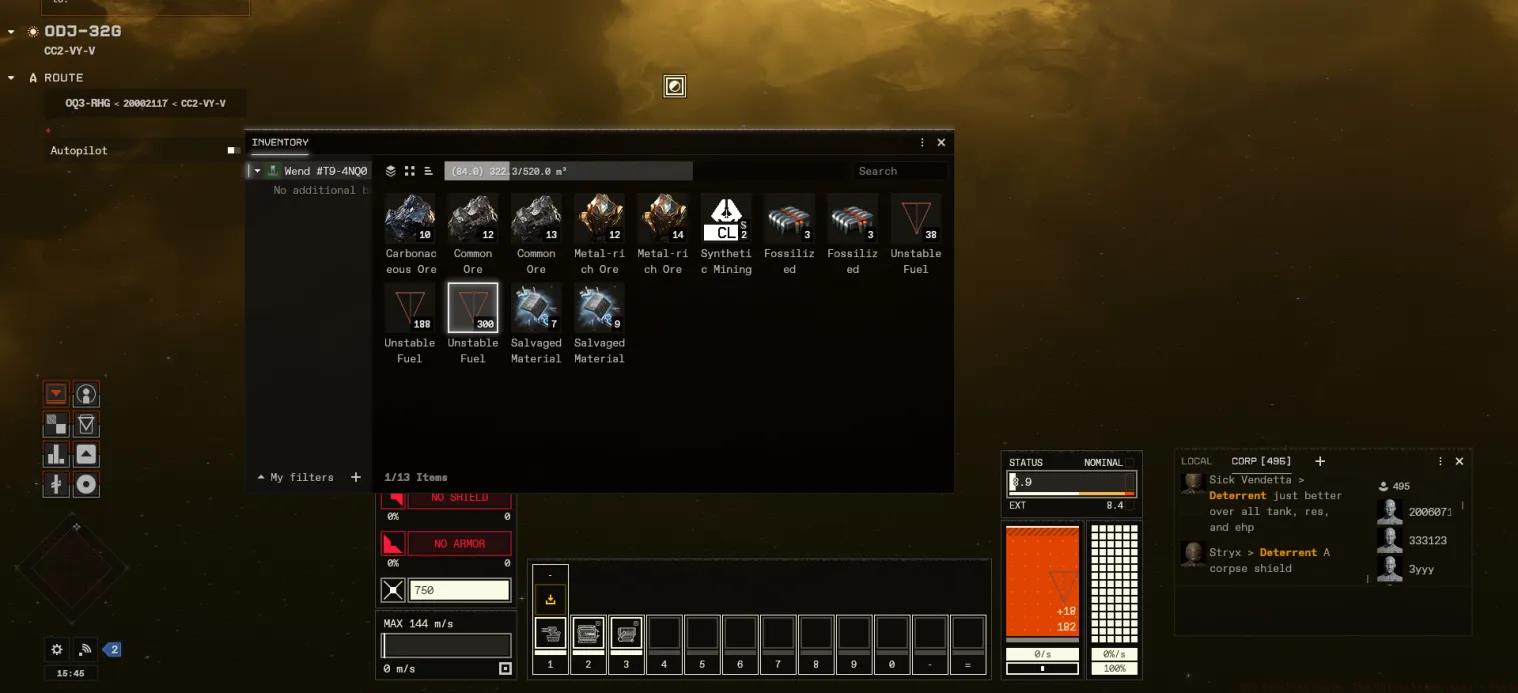
Advanced scavenging tactics include creating mental maps of wreck respawn locations and timing scavenging routes to maximize efficiency. Some wrecks reappear on predictable timers, allowing systematic farming. Additionally, learning to distinguish between wreck types based on visual cues helps prioritize those with higher-value loot potential. Military wrecks often contain weapon components, while industrial wrecks yield more raw materials.
Establishing your first operational base represents the transition from nomadic scavenger to settled commander in EVE Frontier. Strategic location selection dramatically impacts your long-term efficiency and survival prospects. Ideal base sites balance proximity to resource clusters with defensive considerations and expansion potential.
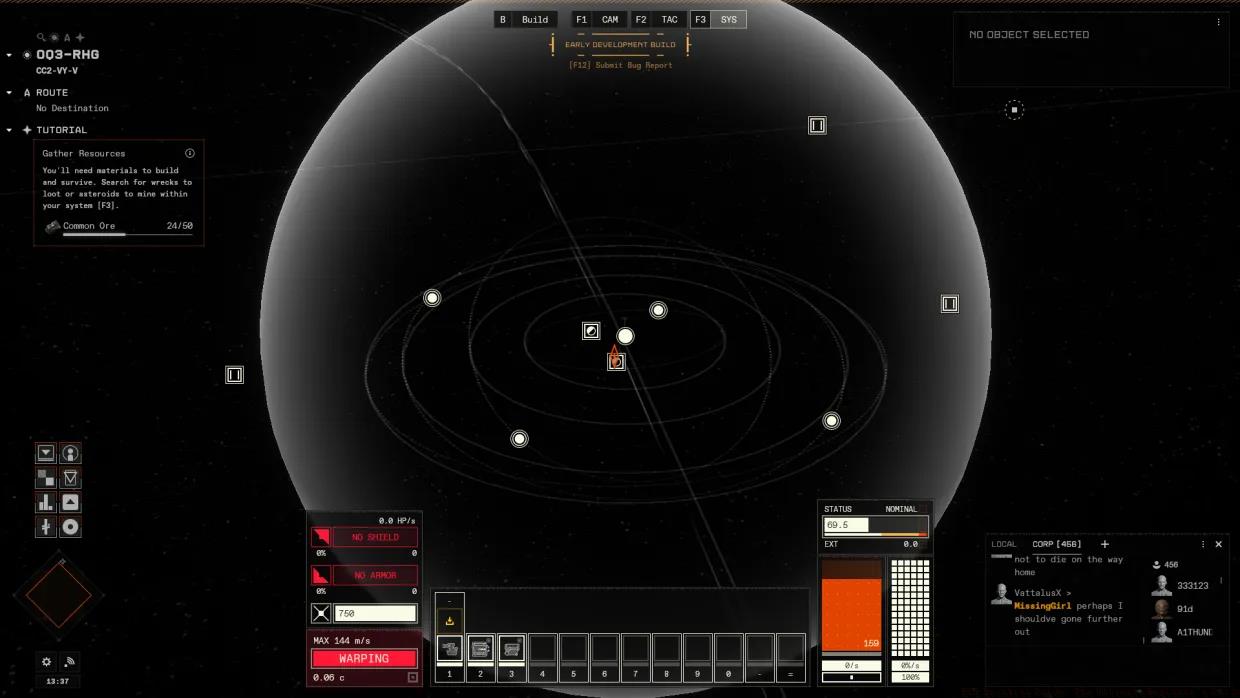
When scouting base locations, prioritize areas containing multiple resource types within close proximity. Metal-rich asteroid fields combined with fuel source accessibility create ideal conditions for sustained operations. Avoid positioning too close to high-traffic areas or known pirate patrol routes, as early-game bases lack sufficient defenses to repel determined attackers. The solar system view (accessible through navigation menus) helps identify resource-dense sectors suitable for colonization.
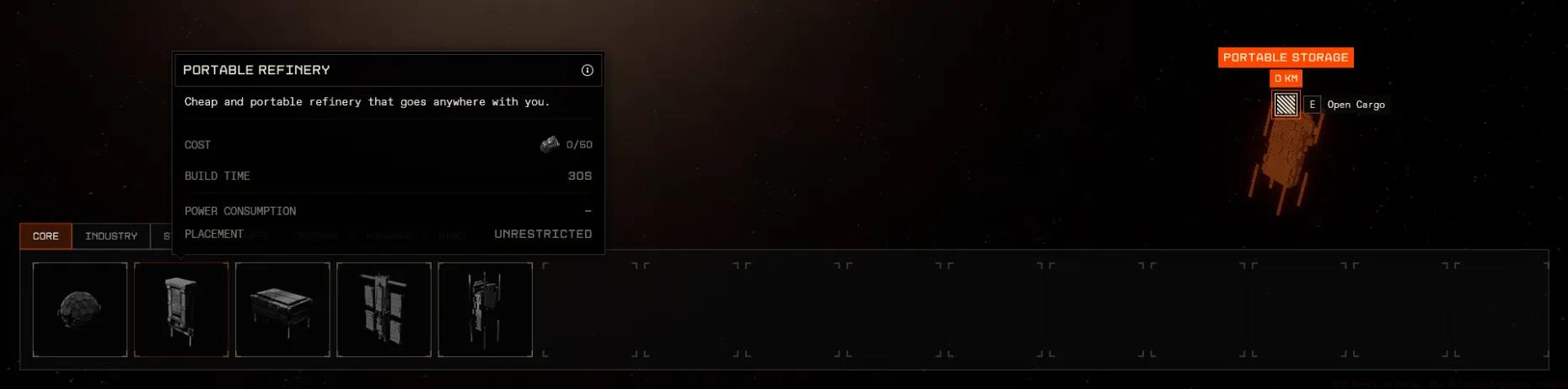
Portable refineries serve as your first major construction project and the cornerstone of resource processing. These compact facilities convert raw ores into usable materials for advanced construction and ship components. Placement matters—position your refinery centrally within your base layout to minimize transportation time between storage containers and processing equipment.
Resource processing follows specific material hierarchies in EVE Frontier. Basic ores refine into standardized metal plates, which then craft into structural components, machinery, and eventually advanced ship parts. Understanding these material trees prevents wasted processing cycles and ensures efficient resource allocation. For example, saving higher-tier ores for advanced blueprints rather than using them for basic construction saves significant gathering time later.
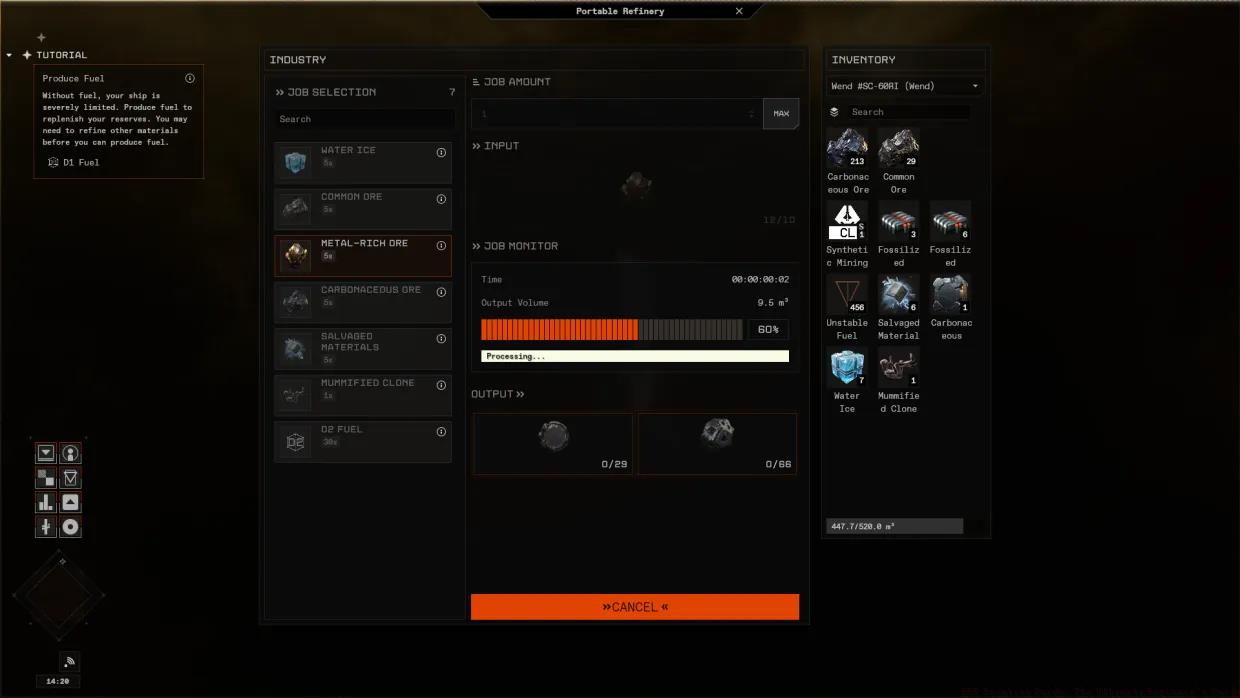
Base expansion should follow a modular approach, adding specialized structures as resource stockpiles grow. Dedicated storage facilities prevent inventory clutter, while separate manufacturing areas streamline production pipelines. Defensive structures, while resource-intensive, become necessary once you begin attracting attention from hostile factions. Planning expansion with future defensive requirements in mind prevents costly base relocations later.
Common base establishment errors include over-investing in decorative structures before securing essential production capabilities and failing to leave adequate space for future expansion. Successful commanders prioritize functional layouts that can scale efficiently as resource income increases.
Transitioning from the vulnerable Wend to the combat-capable Nomad Frame marks EVE Frontier’s first major power progression milestone. This multi-role vessel introduces weapon systems, enhanced cargo capacity, and improved durability—fundamental requirements for venturing beyond safe starter zones. Proper preparation ensures this transition occurs smoothly without resource shortages or capability gaps.
The Nomad Frame blueprint typically requires gathered resources beyond basic survival needs, including specialized components from wrecks and processed materials from your refinery. Creating a checklist of required materials before beginning construction prevents frustrating mid-build resource shortages. Allocate additional time for gathering these components, as some may require venturing into more dangerous areas.
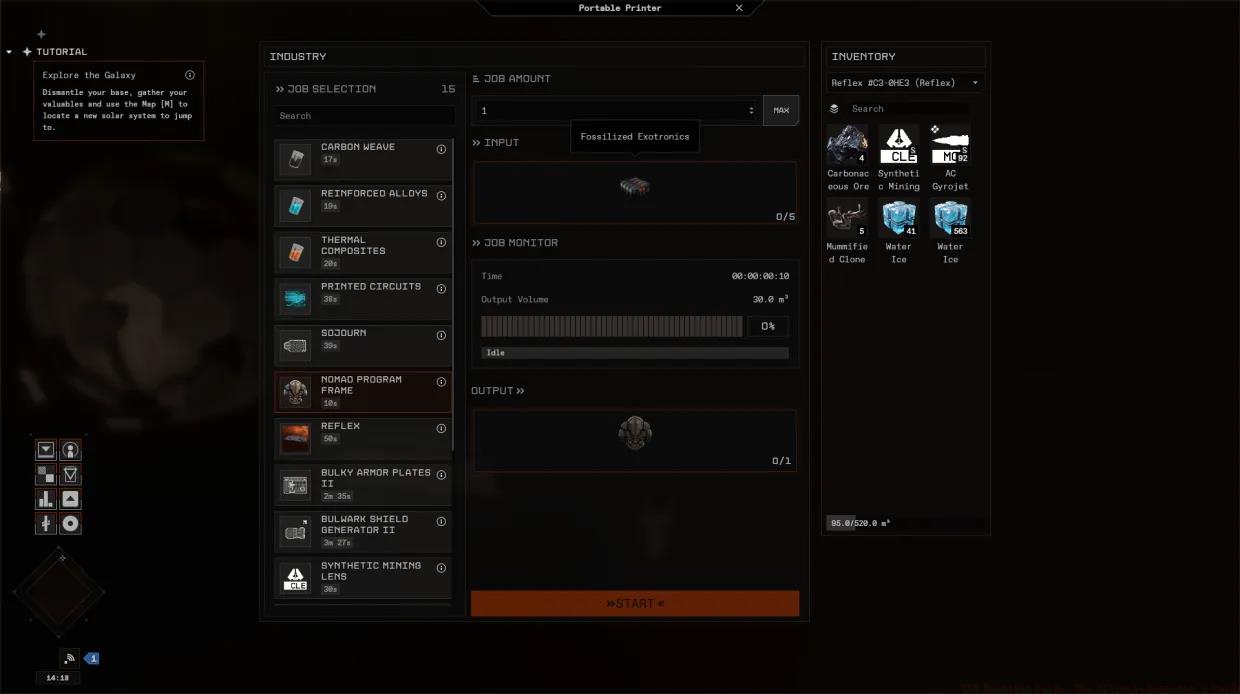
Weapon selection for your Nomad Frame depends heavily on your intended playstyle. Autocannons provide reliable damage against most targets with minimal resource investment, making them ideal for beginners. More advanced energy weapons offer superior performance but require specialized ammunition and higher power consumption. Your first weapon installation should prioritize reliability over maximum damage output.
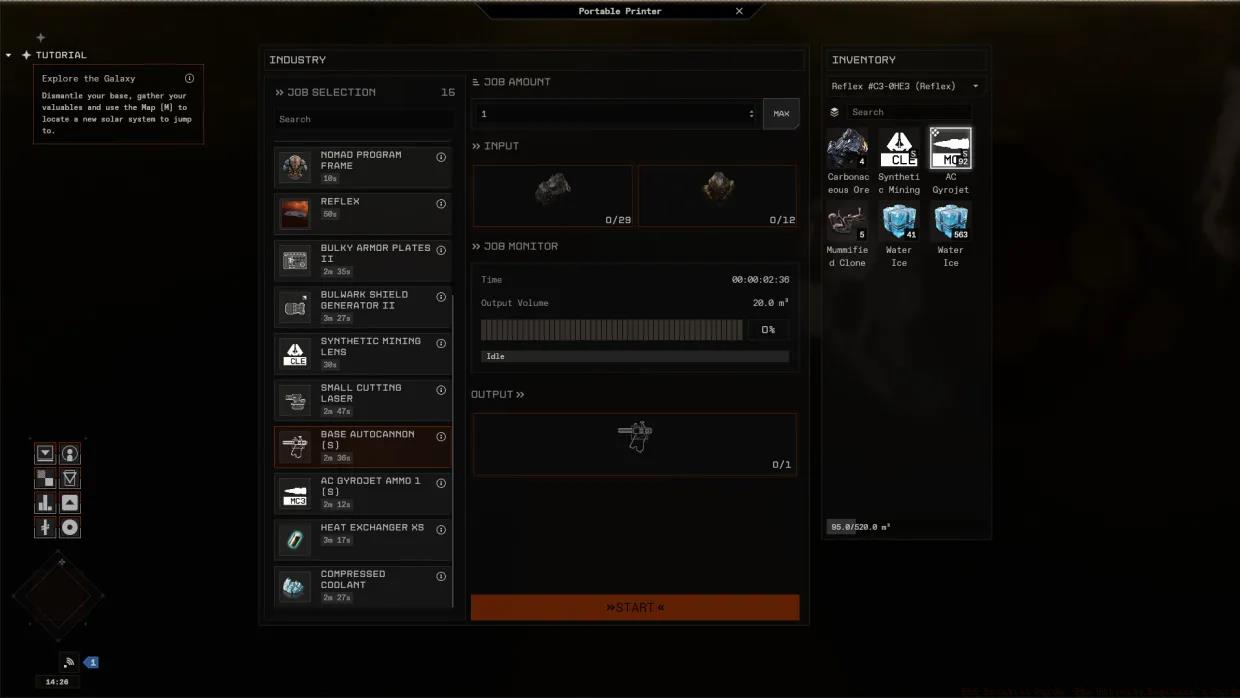
Combat in EVE Frontier follows predictable patterns that skilled commanders can exploit. Most hostile encounters begin at medium range, giving you time to assess threat levels and decide between engagement or evasion. Understanding enemy attack patterns and weapon ranges proves more valuable than raw firepower. Early combat should focus on manageable targets that provide valuable resources rather than challenging encounters for prestige.

Advanced combat preparation includes creating dedicated loadouts for specific mission types. Mining configurations prioritize cargo space and efficiency modules, while combat loadouts emphasize weapon systems and defensive upgrades. The fitting interface allows quick configuration changes once you’ve acquired sufficient modules. This flexibility becomes increasingly important as you encounter diverse challenges throughout the Frontier.
New commanders often underestimate the resource maintenance requirements of combat operations. Weapon ammunition, repair materials, and increased fuel consumption create substantial ongoing costs. Maintaining resource reserves specifically for combat operations prevents situations where you cannot repair damage or rearm after engagements.
The Reflex-class ship represents EVE Frontier’s intermediate vessel tier, offering significantly enhanced capabilities for players ready to tackle the broader Frontier. Constructing this advanced spacecraft requires substantial resource investment and careful planning, but rewards commanders with superior mobility, firepower, and survival potential in hostile territories.
Reflex construction demands coordinated resource gathering across multiple material types. Creating a dedicated construction area near your main base streamlines the assembly process, while stockpiling critical components prevents production delays. The blueprint typically requires advanced composites and specialized electronics unavailable in early-game areas, necessitating expeditions to more dangerous sectors.

Weapon fitting optimization becomes crucial aboard the Reflex frame. The enhanced power grid and module slots accommodate sophisticated weapon combinations that can handle diverse threat profiles. Balanced loadouts mixing long-range and close-quarters weaponry provide flexibility against unexpected encounters. The fitting interface offers detailed statistics about power consumption, CPU usage, and performance metrics to guide your configuration decisions.

Base dismantling before Frontier departure requires methodical planning to maximize resource recovery. The disassembly process returns most construction materials, but some components suffer degradation during teardown. Prioritize recovering rare materials and advanced modules, as these prove most difficult to replace in new systems. The dismantle interface provides recovery estimates for each structure, helping prioritize valuable components.

Jump drive operation enables transit between star systems but demands careful fuel management and destination assessment. Each jump consumes substantial resources, making haphazard exploration prohibitively expensive. Research potential destination systems beforehand when possible, focusing on those with known resource advantages or strategic positions. The navigation computer stores jump coordinates once visited, creating a personal star map for future expeditions.
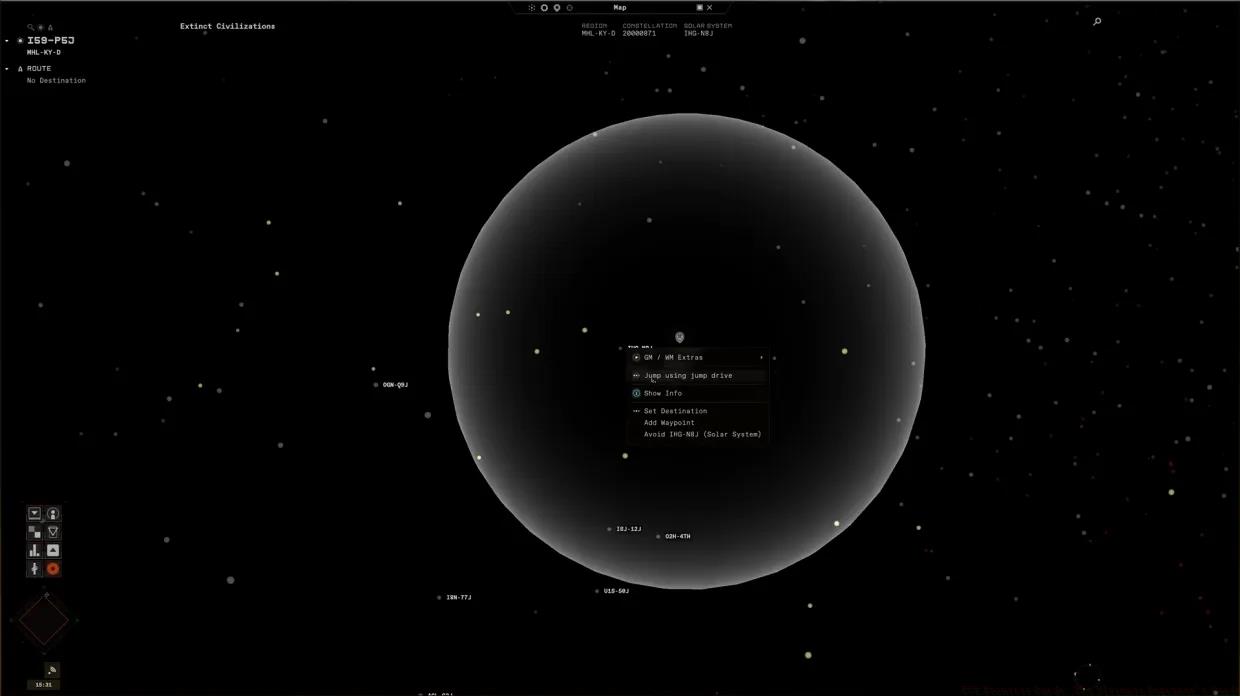
Frontier survival strategies differ significantly from starter system tactics. Increased hostile activity, resource scarcity, and environmental hazards demand adaptable approaches. Establishing forward operating bases in new systems provides safe havens during exploration, while scout missions gather intelligence before committing substantial resources. The Weapons Unlock principles of progressive capability development apply equally to EVE Frontier’s ship progression system.
Remember that EVE Frontier’s gameplay loop extends far beyond the initial survival phase. The Complete Guide mentality of mastering fundamentals before advancing applies perfectly to this complex space survival experience. As with learning Class Guide specialization in other games, developing expertise in specific EVE Frontier roles (miner, manufacturer, combat specialist) creates more rewarding long-term gameplay.
Action Checklist
- Master tactical camera (F2) and wreck scavenging routes
- Establish base near multiple resource types with portable refinery
- Gather Nomad Frame components and install basic weapon systems
- Construct Reflex ship with balanced weapon loadouts
- Dismantle base efficiently and execute first jump drive transition
No reproduction without permission:Tsp Game Club » EVE Frontier Guide: The Ultimate Beginner’s Guide Master EVE Frontier's survival mechanics with essential strategies for scavenging, base building, and ship progression