
A comprehensive guide to acquiring, upgrading, and strategically leveraging your property portfolio in Cyrodiil’s enhanced world.
Why Invest in a Cyrodiilic Home? Beyond Simple Storage
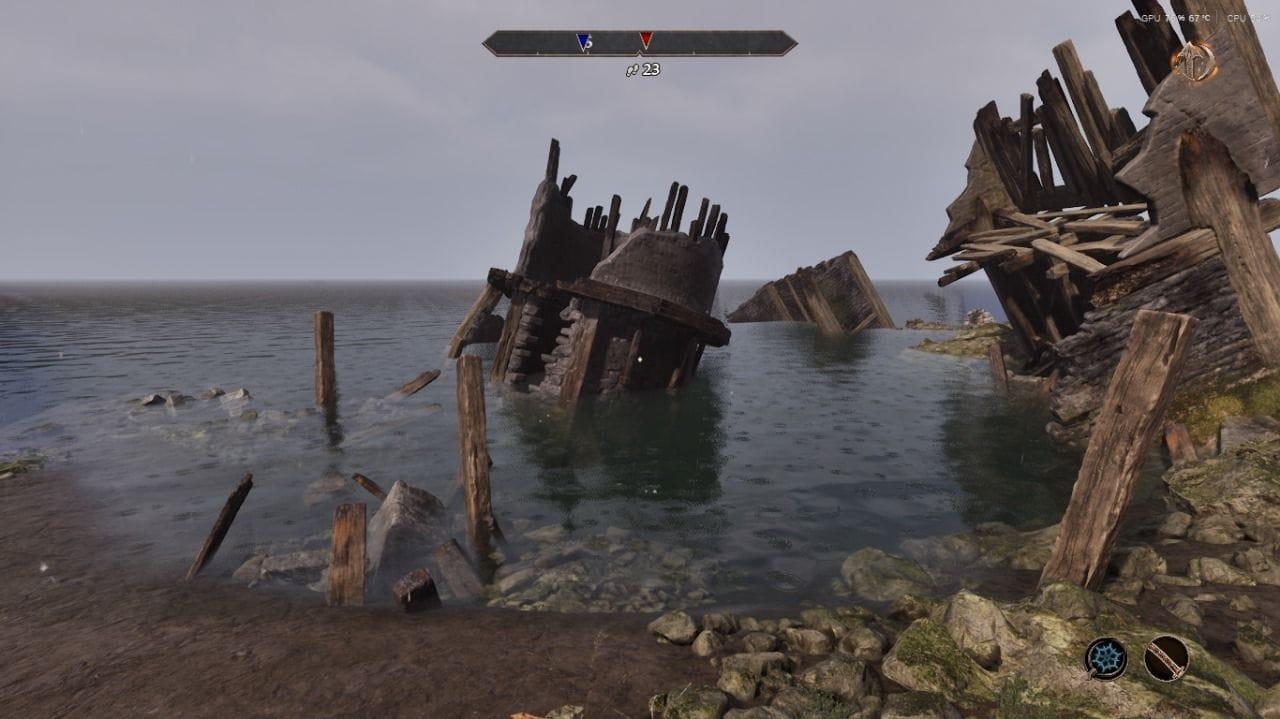
Accumulating wealth in Cyrodiil naturally leads to a pivotal investment decision: property. Purchasable Houses in Oblivion Remastered represent far more than a mere money sink. They are foundational tools for streamlining your adventure, providing a reliable sanctuary to recuperate, reorganize, and plan your next foray into the wilds or Oblivion gates. Think of them as operational bases rather than simple dwellings.
While free beds in taverns or guild halls offer temporary respite, they lack permanence and control. A key advantage is permanent, secure storage. Unlike containers in the open world, which may respawn and erase contents, chests and cupboards in your owned home are safe indefinitely. This allows you to categorize loot—separating alchemy ingredients, soul gems, armor sets, and unique artifacts—dramatically reducing time spent searching your inventory later in the game.
For players afflicted with Vampirism, a home transforms from a convenience to a survival necessity. Exposure to sunlight severely weakens vampires and can be fatal. Owning multiple properties across Cyrodiil’s counties creates a protected fast-travel network, allowing you to move safely by traveling directly to your doorstep at any hour. This mitigates one of the condition’s major logistical hurdles.
Finally, the role-playing immersion is significant. Customizing your living space with trophies, collected books, and displayed gear fosters a deeper connection to your character’s journey. It provides a tangible sense of progression and legacy within the world.
Mastering the Housing Market: A Tactical Purchasing Framework
The market offers 12 distinct properties, each with unique aesthetics, locations, unlock conditions, and price tags. A common mistake is rushing for the cheapest option without considering its long-term utility or the effort required to even become eligible to buy it.
Practical Tip: Gold Generation Strategy
Before browsing listings, establish a reliable income stream. Early-game methods include efficient alchemy (creating potions from common ingredients), completing Fighters Guild quests for steady payouts, and looting high-value enchanted gear from defeated foes. Avoid the temptation to hoard every piece of common weaponry; weight management is key to profitable dungeon runs.
Priority Analysis
• Early-Game Focus: The simple shack in the Imperial City’s Waterfront district is often the first attainable goal. Its low cost is offset by its extremely small size. Consider it a secure storage locker rather than a true home.
• Mid-Game Targets: Properties in cities like Chorrol or Skingrad offer better space and location but require significant faction advancement (like the Mages Guild recommendation) or the completion of specific, multi-stage quests for the local Count.
• Late-Game Estates: The mansion in Anvil (Rosethorn Hall) is arguably the best overall house, but acquiring it involves solving a lengthy ghost story quest *and* paying a substantial sum. Prioritize your questing accordingly.
Common Pitfall: The Upgrade Trap
Some houses, like the one in Caldera (Morrowind-style), require purchasing an initial, dilapidated version and then paying for multiple expensive upgrades to make it livable. The total cost can far exceed the listed purchase price. Always research the full upgrade path and total gold requirement before committing.
Remember, these assets are permanent. There’s no urgency. A methodical approach—aligning your purchase with your current faction progress and financial capacity—will yield a far more satisfying and useful result than an impulsive buy.
Maximizing Your Investment: Advanced Property Management
Once you own a home, actively managing it multiplies its value. Start by designating specific containers for specific item types the moment you get the key. For example, use the chest by the door for armor, the cupboard for ingredients, and the desk for scrolls and notes. This discipline saves hours of frustration later.
Optimization for Advanced Players
Use your home as a strategic resupply point. Before embarking on a long expedition, craft and store a batch of cure disease potions, repair hammers, and lockpicks there. You can fast-travel back, resupply instantly, and return to your exploration point, effectively creating a mobile base of operations.
Furthermore, consider property location in relation to faction hubs. Owning a house in Cheydinhal places you near the Dark Brotherhood sanctuary. A home in Bruma is convenient for the main quest’s northern focuses. This reduces tedious cross-country travel for routine faction business.
That covers the core strategic value of Purchasable Houses in Oblivion Remastered. While squatting in free beds is possible and your loot safe on the ground is a quirk of the engine, the organizational, strategic, and immersive benefits of homeownership are profound for dedicated adventurers.
Read more Oblivion Remastered articles here:
No reproduction without permission:Tsp Game Club » All Purchasable Houses in Oblivion Remastered, explored A comprehensive guide to acquiring, upgrading, and strategically leveraging your property portfolio in Cyrodiil's enhanced world.