
Complete guide to weapon selection with practical tips, character builds, and strategic advice for Oblivion Remastered
Understanding Weapon Mechanics & Character Synergy
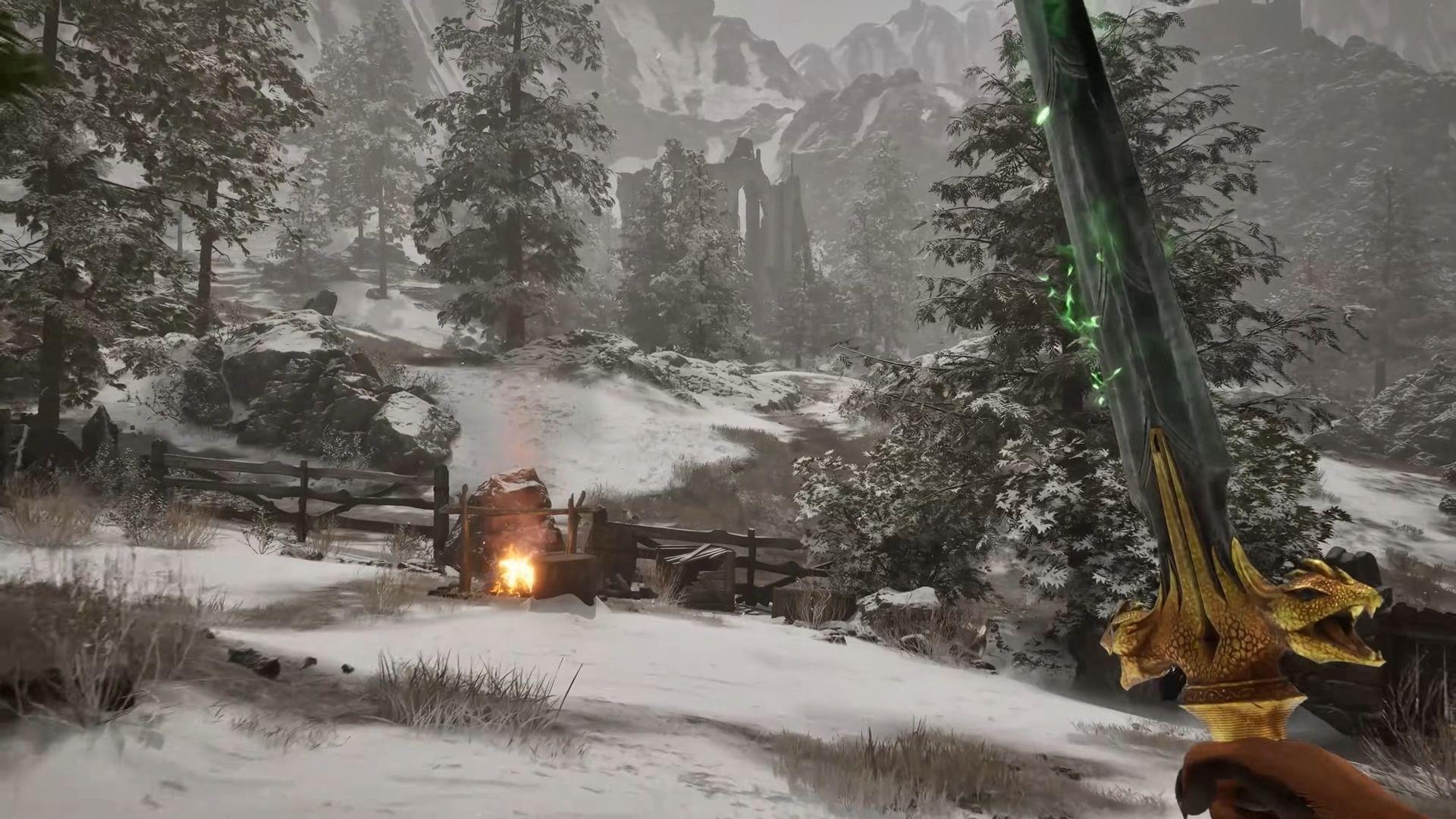
Oblivion Remastered presents players with ten distinct weapon categories, each requiring strategic consideration based on your character’s development path. The effectiveness of your chosen armaments directly correlates with your character’s Attributes, Birthsign selections, and specialized Skills. While the game permits weapon flexibility, optimal performance demands alignment between your equipment and build fundamentals.
Understanding weapon categorization is crucial – Blades encompass swords and daggers focusing on speed and precision, while Blunt weapons like maces and axes prioritize raw damage and armor penetration. Your Strength attribute significantly influences blunt weapon effectiveness, while Agility enhances blade performance. Additionally, weapon weight impacts Fatigue regeneration, a critical factor in sustained combat effectiveness.
Weapon Tier Rankings & Detailed Analysis
S-Tier: Dominant Choices
Shortswords represent the pinnacle of one-handed combat effectiveness. They deliver exceptional damage-to-speed ratios while maintaining manageable weight. Their versatility allows pairing with shields for defense or spells for magical augmentation. Restoration magic synergizes exceptionally well, creating durable battle-mage hybrids. The fluid combat animations provide both aesthetic appeal and practical hitbox advantages.
War Axes offer the perfect balance for strength-focused builds. These one-handed blunt weapons deliver substantial damage without sacrificing swing speed excessively. Their armor penetration capabilities make them ideal against heavily armored opponents. The ability to combine with shields creates formidable defensive-offensive combinations, particularly for warrior builds focusing on endurance.
A-Tier: Specialized Excellence
Daggers excel in stealth-oriented gameplay, offering the fastest attack speed among all weapons. While base damage appears modest, their rapid strike capability and triple-damage sneak attacks make them devastating in the right circumstances. Their minimal weight ensures minimal fatigue drain, crucial for extended stealth operations. Perfect for assassins and thieves focusing on Sneak and Illusion skills.
Longswords provide the iconic medieval warrior experience with balanced performance metrics. Positioned between shortswords and claymores, they offer respectable damage with competent speed. Their one-handed nature permits shield integration for balanced combat approaches. The weapon’s reach advantage provides tactical spacing benefits against shorter-ranged opponents.
B-Tier: Situational Effectiveness
Battle Axes deliver superior base damage compared to war axes with enhanced armor penetration, making them excellent for pure strength builds. However, the significantly slower swing speed demands precise timing and positioning. Their one-handed configuration maintains shield compatibility, providing necessary defense during lengthy attack animations. Ideal for players who master attack cadence and positioning.
Maces serve as accessible blunt weapons for strength-oriented characters. They outperform warhammers in speed and weight while maintaining comparable damage output. The reduced reach requires closer engagement distances, but their crushing blows stagger opponents effectively. Perfect for characters emphasizing Strength and Endurance attributes from early levels.
C-Tier: Niche Applications
Claymores offer impressive damage and reach as two-handed swords, but their slow swing speed creates vulnerability windows. They shine in crowd control situations where single powerful strikes can neutralize multiple opponents. Heavy armor proficiency is practically mandatory to withstand counter-attacks during recovery animations. Repair efficiency becomes crucial due to frequent combat contact.
Staves provide unique magical capabilities with charge-based mechanics. They enable spellcasting without magicka consumption, invaluable for hybrid builds. Destruction staves offer particularly potent offensive options. However, depleted charges render them useless until recharged, creating risky combat situations. Best utilized by mages as secondary weapons or for specific encounters.
D-Tier: Limited Viability
Bows and Arrows suffer from situational dependency despite their ranged advantages. While stealth builds can achieve triple-damage multipliers, close-quarters combat renders them ineffective. The draw time and arrow trajectory require significant skill investment for consistent performance. Ammunition management adds inventory complexity. Recommended only as secondary weapons for specific scenarios or dedicated archer builds.
Advanced Combat Strategies & Optimization
Mastering weapon switching based on combat scenarios dramatically improves effectiveness. Always carry both primary and secondary weapons covering different ranges and purposes. For example, combine a shortsword for general combat with a dagger for stealth approaches or a bow for ranged initiation. This versatility prepares you for unpredictable encounters throughout Cyrodiil.
Fatigue management significantly impacts weapon performance. Heavier weapons drain stamina faster, reducing your damage output and spell effectiveness. Monitor your fatigue bar during extended engagements and consider lighter weapon options if maintaining constant spellcasting or power attacks. The Weight-to-Damage ratio should guide your weapon selection based on your playstyle.
Weapon maintenance requires proactive attention. Always carry repair hammers and prioritize the Armorer skill. Damaged weapons deal significantly reduced damage and can break completely during critical moments. Establish repair routines after major encounters or when visiting towns. Consider the Feather spell or enchanted items to manage carrying capacity for repair materials.
Pro Tips & Common Mistakes to Avoid
Avoid these common weapon selection errors: Don’t commit to a single weapon type too early – experiment during the initial levels to discover your preferred combat style. Never ignore weapon weight considerations, as fatigue impacts all combat actions. Don’t underestimate repair costs – budget for maintenance expenses when choosing expensive weapons.
Early game strategy: Begin with versatile weapons like longswords or war axes that accommodate various playstyles. As you specialize, invest in corresponding skills and attributes. For magic-inclined characters, staves provide excellent early-game magic capabilities without heavy magicka investment.
Skill progression planning: Focus skill points on your primary weapon skill while maintaining secondary options. The Blade and Blunt skills significantly improve effectiveness with corresponding weapon types. Complement with Armorer for maintenance and Block for defensive capabilities with one-handed weapons.
Resource management: Balance weapon quality with available resources. Legendary weapons often have substantial repair costs. Maintain backup weapons for emergency situations when your primary weapon requires repair. Utilize chests and safe storage for weapon rotations during extended dungeon explorations.
No reproduction without permission:Tsp Game Club » All weapon types in Oblivion Remastered, ranked Complete guide to weapon selection with practical tips, character builds, and strategic advice for Oblivion Remastered