
Comparing Battlefield 6 and Delta Force to help you choose the best tactical shooter experience
Introduction to Modern Warfare Shooters
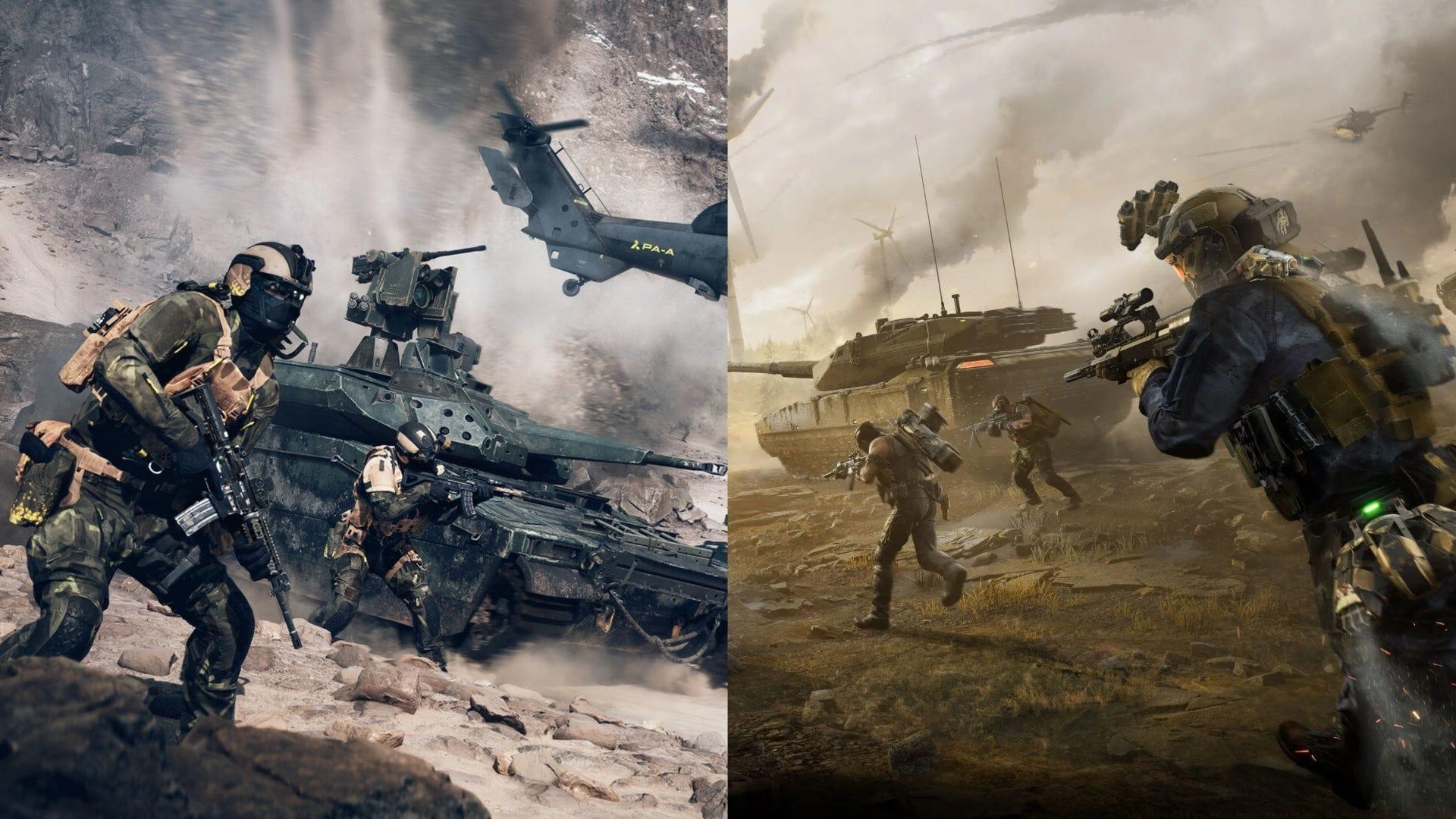
As Electronic Arts prepares to launch its next major military shooter, gamers face an intriguing choice between Battlefield 6 versus Delta Force . These two titles represent different approaches to the large-scale combat genre. While they share foundational elements of team-based warfare, their execution and design philosophies create distinct player experiences that cater to different preferences.
Content availability currently favors Delta Force, which has maintained steady map releases since launch. Battlefield 6 has conducted only two limited beta tests, leaving much of its content unshown. This gives Delta Force an advantage in terms of proven content depth and variety.
Map design philosophy reveals crucial differences between the titles. If Battlefield 6’s beta maps represent its standard, Delta Force demonstrates superior creativity in level layout and combat flow design. The strategic pathways and environmental variety in Delta Force create more dynamic engagement opportunities compared to the more traditional battlefield layouts.
Also read: Will Battlefield 6 feature Ray Tracing?
Class Systems and Operator Abilities
Class systems form the backbone of any tactical shooter experience. The classic quartet of Assault, Medic, Recon, and Engineer roles provides the tactical foundation that defines team composition and battlefield roles.
Battlefield 6 maintains this traditional class distinction as the primary player differentiation system. This approach ensures clear role expectations and balanced team compositions, similar to earlier successful titles in the franchise.
Delta Force expands beyond basic classes by introducing unique operators within each role category. This specialist system bears resemblance to Battlefield 2042’s operator mechanics but applies them to the large-scale warfare format.
The operator system introduces unique abilities that can refresh gameplay dynamics, but creates potential balance challenges in 32v32 matches. Too many specialist abilities can overwhelm the tactical clarity that class-based systems provide.
Battlefield 6’s simpler class structure provides more predictable gameplay experiences. Players understand exactly what to expect from each role, creating better team coordination and more focused tactical play. This reliability gives Battlefield 6 the advantage in class system design for competitive play.
Pro Tip: When choosing between these systems, consider your playstyle preference. Traditional class systems work better for coordinated team play, while operator systems offer more individual gameplay variety at the cost of team predictability.
Weapon Systems and Distribution
Weapon accessibility and class restrictions significantly impact gameplay balance and role definition. The community generally favors specific weapon categories being tied to particular classes to maintain role identity and tactical diversity.
Battlefield 6 plans to offer both restricted and unrestricted weapon modes, providing flexibility for different play preferences. This dual approach caters to both purists who want class-defined roles and players who prefer loadout freedom.
Delta Force implements a more nuanced weapon distribution system. Recon operators gain limited SMG and assault rifle access alongside full sniper rifle availability. Assault specialists receive complete AR inventories but cannot equip SMGs, LMGs, or sniper rifles.
Engineer roles feature full LMG access with restricted AR and DMR selections. Support classes utilize shotguns and all SMGs with limited AR options. This carefully balanced distribution creates distinctive playstyles for each class while preventing any single class from becoming overpowered.
Common Mistake: Avoid assuming weapon familiarity translates between games. Each title has unique weapon handling characteristics and balance tweaks that require adaptation time. Spend time in training modes to understand each game’s weapon physics before jumping into competitive matches.
Also read: Delta Force Season 6 War Ablaze release date
Progression Systems and Unlock Mechanics
Progression systems and attachment unlocks provide long-term goals and customization depth. Battlefield 6’s beta featured weapon levels capping at 20, with substantial unlocks available throughout the progression path.
Delta Force extends this progression dramatically with weapon levels exceeding 70 and an extensive attachment catalog. This creates deeper customization potential but demands significantly more time investment from players.
The complexity of Delta Force’s attachment system introduces a steeper learning curve for optimal loadout creation. Players must invest substantial time to understand attachment synergies and create effective weapon configurations.
Battlefield 6’s more streamlined approach lowers the barrier to effective gameplay. The simplified yet robust progression system allows players to quickly access viable loadouts without extensive grinding, making it more accessible for casual players.
Optimization Tip: Focus on unlocking essential attachments first in either game. For Battlefield 6, prioritize optics and recoil control attachments. In Delta Force, create a progression plan targeting the most impactful attachments for your preferred weapon types to maximize efficiency.
Gameplay Experience and Platform Considerations
The core gameplay experience diverges significantly between these titles. Battlefield 6 embraces gritty realism with authentic military simulation elements, while Delta Force adopts a more accessible arcade-style approach.
Delta Force’s multiplatform strategy including mobile devices explains its streamlined visual design and reduced environmental complexity. The optimization requirements for mobile hardware necessitate cleaner environments with fewer destructible elements.
Battlefield 6’s focus on realism creates more immersive combat experiences with extensive environmental destruction and detailed physics. The absence of ranked mode encourages moment-to-moment gameplay focus rather than stat-chasing behavior.
Delta Force includes ranked competitive play for players seeking progression-based challenges and skill-based matchmaking. This appeals to competitive gamers but can create more stressful gameplay environments.
Despite areas needing improvement, Battlefield 6’s realistic combat, environmental destruction, and casual-friendly structure give it the overall advantage for players seeking authentic military shooter experiences.
This comprehensive comparison highlights how Battlefield 6 and Delta Force serve different player preferences within the warfare shooter genre. Delta Force’s free-to-play model makes experimentation accessible before Battlefield 6’s October 10, 2025 launch.
For more news on related topics, follow Sportskeeda:
No reproduction without permission:Tsp Game Club » Battlefield 6 vs. Delta Force: Could EA have the better mass warfare FPS? Comparing Battlefield 6 and Delta Force to help you choose the best tactical shooter experience