
Battlefield 6 battle royale delayed until 2026: What players need to know about EA’s strategy
Battle Royale Development Timeline Shift
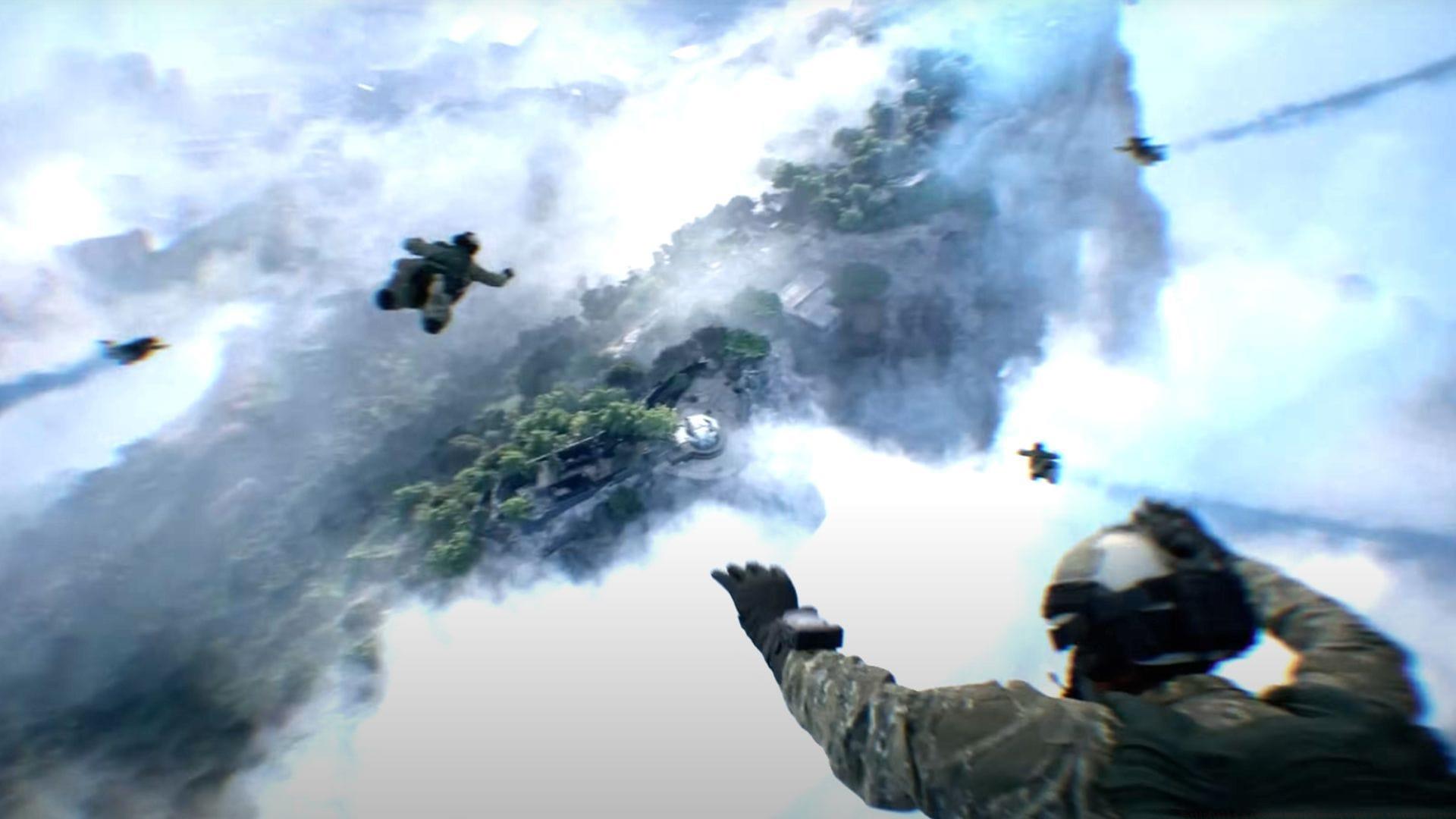
The anticipated battle royale component for Battlefield 6 appears unlikely to materialize before 2026, contrary to earlier industry speculation. Multiple credible sources including development insiders and closed playtest participants consistently indicate that while the mode is indeed in development, its launch schedule has been substantially extended.
Electronic Arts appears to be taking a methodical approach to battle royale implementation, learning from both their own previous experiences with Firestorm and observing competitor strategies. This careful pacing suggests they aim to avoid the technical issues that plagued earlier battle royale launches while ensuring robust integration with the core Battlefield experience.
Industry analysts note this extended timeline aligns with modern game development realities where post-launch content requires substantial development resources separate from the main game production cycle. The complexity of battle royale infrastructure, including server stability, anti-cheat systems, and live service components, demands extensive testing beyond traditional multiplayer features.
Call of Duty’s Influence on Battlefield Strategy
Electronic Arts’ apparent strategy mirrors the successful approach pioneered by Call of Duty’s Warzone integration. The proven model involves launching a robust core multiplayer experience first, followed by a comprehensive battle royale mode several months later. This staggered content release maximizes player engagement across extended periods while allowing development teams to focus resources effectively.
The Call of Duty blueprint demonstrated significant advantages: initial player acquisition through the premium title, followed by expanded reach via free-to-play battle royale accessibility. This dual-phase approach potentially allows Battlefield to capture both traditional franchise fans and the broader battle royale audience without compromising either experience.
Market timing considerations also play a crucial role in this strategic delay. Launching battle royale separately enables EA to avoid direct competition with other major releases while maintaining consistent marketing momentum. The extended development period also provides opportunity to incorporate player feedback from the core multiplayer launch, potentially creating a more refined battle royale experience.
What This Means for Battlefield 6 Players
For the Battlefield community, this development timeline adjustment signals several important considerations. The core multiplayer experience will likely receive undivided attention at launch, potentially resulting in more polished traditional gameplay modes. However, battle royale enthusiasts may need to temper immediate expectations and prepare for an extended waiting period.
The delay also suggests Electronic Arts is prioritizing quality over speed, potentially learning from competitor missteps where rushed battle royale implementations suffered from technical issues and balancing problems. This approach, while frustrating for eager players, typically results in more stable and engaging final products.
Community expectations management becomes crucial during extended development cycles. Players should monitor official channels for development updates while understanding that ambitious game modes require substantial testing and refinement. The silver lining: additional development time often translates to more innovative features and better overall polish.
Practical Gaming Strategy Adjustments
While awaiting battle royale implementation, strategic players can optimize their preparation through several approaches. First, mastering the core multiplayer mechanics provides significant advantage when battle royale eventually launches, as fundamental shooting and movement skills transfer directly between modes.
Second, exploring alternative battle royale options temporarily can maintain relevant skills. Games like Warzone, Apex Legends, or PUBG offer valuable experience with battle royale mechanics, map awareness, and end-game strategies that will prove useful when Battlefield’s version arrives.
Third, closely following development updates allows for informed decision-making about purchase timing and playtime allocation. Understanding the development roadmap helps balance expectations while identifying optimal entry points into the Battlefield ecosystem.
Finally, participating in community discussions and providing constructive feedback during early access periods can positively influence final game design. Developers often monitor community sentiment and implement popular suggestions during extended development cycles.
No reproduction without permission:Tsp Game Club » Battlefield 6’s rumored battle royale might not arrive this year Battlefield 6 battle royale delayed until 2026: What players need to know about EA's strategy