
Comparing Wuchang: Fallen Feathers vs Lies of P – Key gameplay differences, combat mechanics, and narrative approaches analyzed
Introduction to Two Distinct Soulslike Experiences
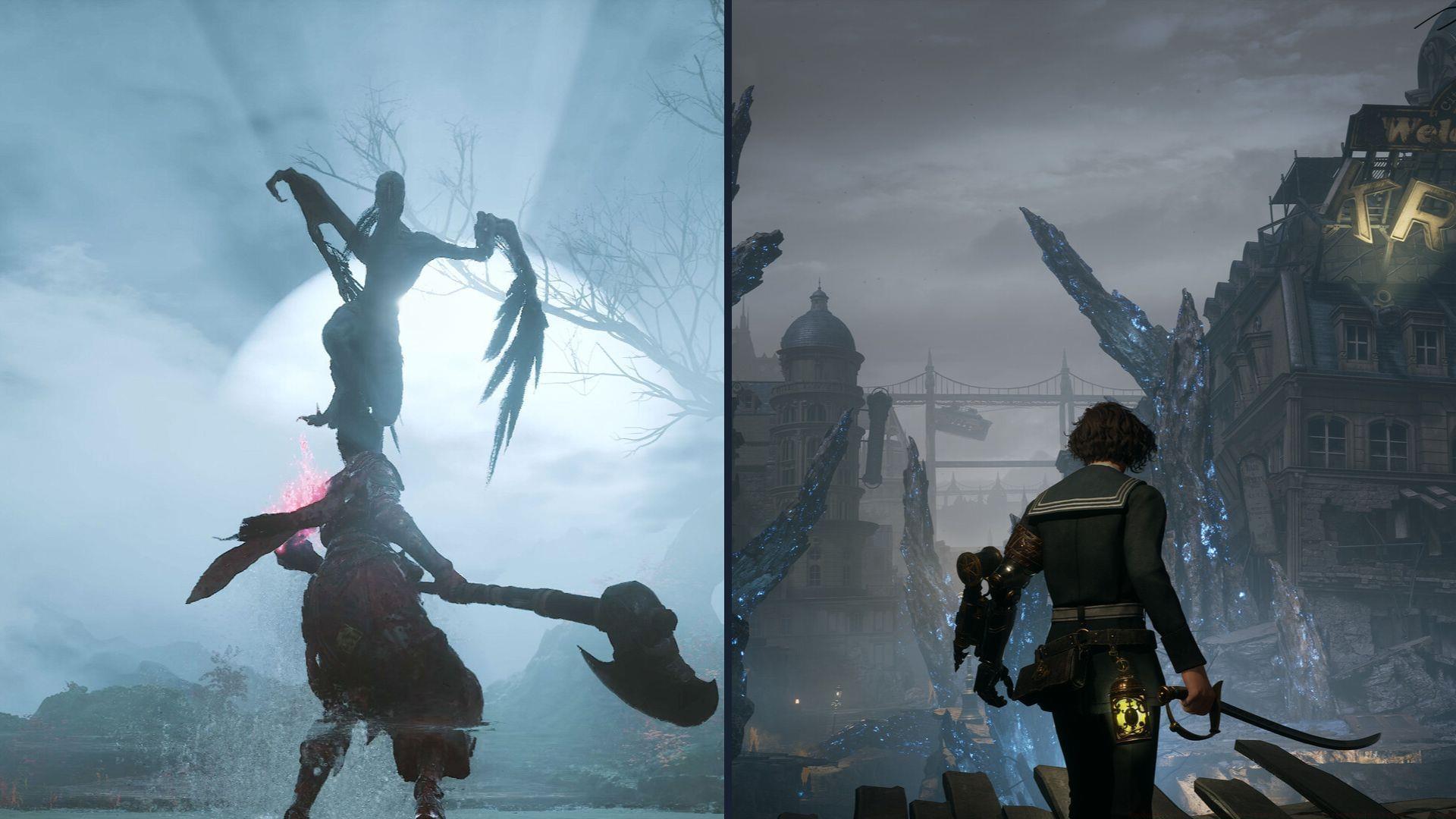
When analyzing contemporary Soulslike titles, the Wuchang: Fallen Feathers vs Lies of P comparison emerges as particularly compelling. Both titles draw inspiration from the foundational Souls formula yet chart distinct courses through unique world-building, mythological frameworks, and combat innovations. Wuchang: Fallen Feathers immerses players in a plague-ravaged interpretation of Ming Dynasty China infused with dark supernatural elements, whereas Lies of P transforms the classic Pinocchio narrative into a gothic-steampunk nightmare populated by mechanical horrors and ethical dilemmas.
Veterans of the Soulslike genre will recognize familiar mechanics in both titles. The combat systems in Wuchang: Fallen Feathers and Lies of P demand tactical precision and calculated aggression. Players receive rewards for methodical approaches, face consequences for impulsive actions, and must continuously adapt to dynamic combat scenarios. Essential mechanics like stamina conservation, evasion timing, and parry execution form the core of both experiences.
Every confrontation, including those against standard enemies, can result in checkpoint resets if approached carelessly. The deliberate combat rhythm and focus on technical proficiency over statistical advantages ensure each triumph carries weight and every defeat provides learning opportunities.
Also read: What happens when you die in Wuchang: Fallen Feathers?
Cultural Settings and World-Building Approaches
Environmental storytelling in both games adheres to the “demonstrate, don’t explain” methodology. Extended cinematic sequences and comprehensive tutorials remain absent from both experiences. In Wuchang, historical context emerges through ancient manuscripts, spiritually charged locations, and mysterious non-player characters. Lies of P utilizes unsettling quiet moments, enigmatic texts, and distorted fairytale symbolism to construct its narrative tapestry.
Both titles excel at constructing worlds that reward investigative playstyles. The more thoroughly players explore their surroundings, the greater their narrative discoveries become, progressively intensifying the atmospheric dread.
Also read: How to heal in Wuchang: Fallen Feathers
Each game crafts deeply engaging environments through distinct aesthetic approaches. Wuchang surrounds players with fog-covered peaks, deteriorating religious structures, and spirit-infested woodlands, grounded in Eastern folklore but saturated with horror elements. Conversely, Lies of P manifests as an animated gothic masterpiece where fluctuating gaslights illuminate rain-soaked cobblestones and terrifying mechanical constructs hide in shadowy passages.
While incorporating multicultural influences, both games maintain cohesive tonal consistency: unsettling, richly atmospheric, and saturated with the type of suspense that triggers constant environmental vigilance.
Also read: 7 key differences between Black Myth Wukong and Wuchang: Fallen Feathers
The most apparent differentiation between these games manifests in their geographical settings and cultural foundations. Wuchang: Fallen Feathers draws deeply from Chinese mythological traditions. Its locations portray a nation fragmented by epidemic disease and paranormal decay, ranging from elaborate architectural remains to blighted mountainous routes.
Lies of P plunges into European literary traditions and visual aesthetics — imagine grim fairytales converging with industrial dystopian elements. Its metropolitan setting, Krat, evokes imminent societal collapse, crowded with puppet-based monstrosities and haunting artifacts from a disappeared society. These games diverge not merely visually but in their fundamental atmospheric qualities.
Combat Systems and Weapon Customization
Also read: 5 best skills to unlock first in Wuchang: Fallen Feathers
Fighting mechanics in Wuchang: Fallen Feathers provide reliable performance while maintaining conventional armament categories — blades, axes, polearms — enhanced with special abilities and stat modifications. The system permits combat style selection while offering relatively direct customization pathways.
Lies of P introduces substantially more inventive approaches through its “Weapon Assembly” framework, enabling weapon disassembly and reconstruction using various grips and cutting components. Imagine attaching an enormous blade to a fencing weapon’s handle — this system makes such combinations possible. This mechanic encourages extensive experimentation, providing gamers with personalized combat methodology development.
Advanced Combat Tip: Master the timing differences between games – Wuchang’s parry windows are generally more forgiving, while Lies of P demands frame-perfect precision for optimal damage output against mechanical enemies.
Also read: How to defeat Reborn Treant – Soulwood in Wuchang: Fallen Feathers
Narrative Structure and Player Agency
This represents where Lies of P introduces distinctive narrative mechanics: players can choose deception — or truthfulness. These decisions influence non-player character interactions, mission progression, and ultimately the game’s resolution. This ethical complexity enriches the storytelling and encourages repeated playthroughs.
Wuchang selects a more direct narrative progression. While the mythological background remains dense and enigmatic, the game provides limited narrative branching determined by player decisions. Participants primarily function as witnesses within a catastrophic universe rather than architects of its destiny.
Common Mistake: Many players attempt to apply Lies of P’s aggressive combat rhythm to Wuchang, which emphasizes defensive positioning and environmental utilization. Learning each game’s unique pacing is crucial for success.
Also read: How to defeat Commander – Honglan in Wuchang: Fallen Feathers
Performance Tips and Player Recommendations
For enthusiasts of Eastern historical settings and the visceral, mythology-rich adventures featuring bladed combat, Wuchang: Fallen Feathers delivers a memorable journey that warrants investment. If you prefer complex narratives, customizable combat systems, and a dark reimagining of childhood literature, Lies of P might represent your perfect subsequent gaming challenge.
Ultimately, both games demonstrate multiple valid approaches to reinterpreting the Soulslike framework, with each title courageously establishing its unique identity.
Optimization Strategy: Adjust your gameplay approach based on each title’s strengths – Wuchang rewards thorough exploration and environmental observation, while Lies of P benefits from combat experimentation and narrative curiosity.
Also read: Wuchang: Fallen Feathers 1.3 update patch notes
Follow Sportskeeda for more updates:
No reproduction without permission:Tsp Game Club » Wuchang: Fallen Feathers vs Lies of P: Similarities and differences explored Comparing Wuchang: Fallen Feathers vs Lies of P - Key gameplay differences, combat mechanics, and narrative approaches analyzed