
TL;DR
- Mine between Y=-53 to -59 for maximum diamond yield with minimal lava risk
- Use strip mining with 1×2 tunnels at Y=-53 for efficiency or explore deepslate caves for variety
- Always bring iron or better pickaxes, Fortune enchantments, and safety gear for successful expeditions
- Avoid mining above Y=-50 or below Y=-64 where diamond frequency drops significantly
- Prepare with water buckets, torches, food, and backup equipment before descending
Diamonds represent the pinnacle of mineral wealth in Minecraft, serving as the foundation for crafting elite equipment and progressing toward endgame content. Every experienced player understands the challenge of locating these precious gems, which form the essential components for superior armor, tools, and weapons before advancing to Netherite upgrades. This comprehensive guide delivers actionable strategies for identifying optimal mining depths and maximizing your diamond acquisition through proven techniques.
The technical spawn parameters for diamond ore blocks span from Y=16 to Y=-64 in the game’s coordinate system. However, this broad range doesn’t guarantee uniform distribution throughout these vertical layers. Upon world generation, millions of blocks populate the underground, creating dense concentrations of stone, andesite, diorite, granite, tuff, and deepslate that can obscure diamond veins.
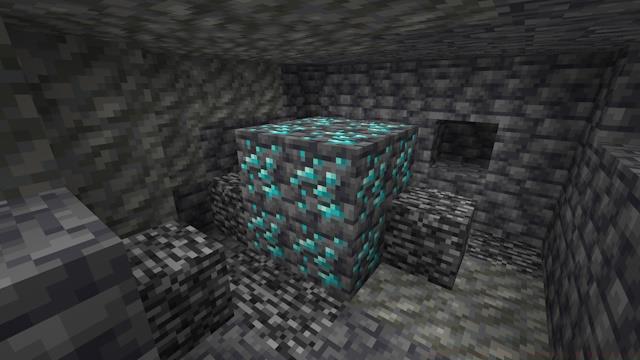
Minecraft’s ore distribution algorithm significantly increases diamond frequency at lower elevations. Consequently, the most productive single layer for diamond mining is Y=-59, positioned immediately above the impenetrable bedrock foundation.
At these extreme depths, lava pools generate with alarming regularity, potentially appearing every 10-15 blocks during excavation. For safer operations with reduced lava encounters, target Y=-53 and Y=-54 as your primary mining coordinates. Therefore, I recommend concentrating efforts within the Y=-53 to -59 spectrum to balance yield and safety considerations.
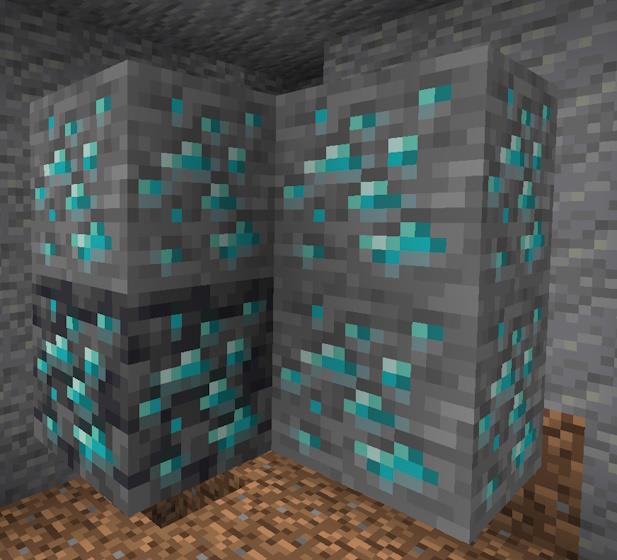
For collectors seeking the rarer diamond ore variant, these generate exclusively in stone layers between Y=0 to 16. You’ll most frequently encounter this precious block type where deepslate begins appearing from Y level 0 to 8, offering an alternative hunting ground for specialized miners.
Surface exploration provides alternative diamond acquisition through loot structures including Jungle Pyramids, Shipwrecks, Desert Pyramids, and similar generated features. Their treasure containers contain minor probabilities of housing diamonds among other valuable items.
However, these supplementary methods cannot generate inventory-filling quantities of diamonds consistently. For substantial yields, traditional mining remains essential. Below, we analyze two superior extraction techniques guaranteed to deliver impressive results efficiently.
1. Strategic Cave Exploration
Beginners equipped with basic iron tools can initiate diamond hunting through systematic cave exploration. Most extensive deepslate-level cave systems contain at least one or two diamond veins, with larger networks substantially increasing discovery probabilities through expanded exploration areas.
A critical mechanical consideration involves diamond generation reduction when exposed to air blocks. Consequently, surface-accessible caves demonstrate significantly lower diamond generation rates. Instead, prioritize underground caverns completely encased by solid blocks on all sides for optimal vein frequency. Even under ideal conditions, expect veins containing maximum yields of 1-4 diamond ore blocks per cluster.
Also Read:
How to Get Looting Enchantment in Minecraft
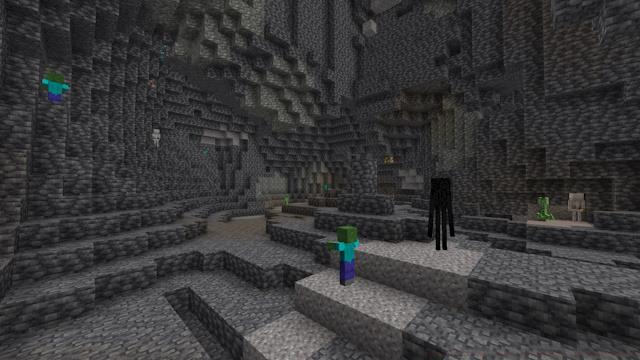
Since caves constitute expansive, unlit territories, they create perfect spawning conditions for hostile mobs. Prepare for combat engagements with zombies, skeletons, and spiders throughout your subterranean adventures.
Underwater cave systems offer enhanced diamond discovery opportunities since water blocks don’t register as air blocks in generation calculations, thus preserving ore vein frequency. Ensure you carry doors or conduits to maintain standard mining speeds; otherwise, progression becomes excessively time-consuming.
2. Optimized Strip/Branch Mining
This methodology substantially outperforms cave exploration in efficiency metrics but demands intermediate player progression with multiple pickaxes. As established, diamond ore veins generate most prolifically when completely surrounded by solid blocks. Purpose-built tunnels maximize discovery rates while minimizing blocks excavated.
Initiate operations by constructing 1-block-wide, 2-block-tall passageways at Y=-53 coordinates to optimize diamond encounter probabilities. Advanced practitioners can enhance efficiency further through 1×1 tunnel construction. To access these narrow passages, position trapdoors at entrances, crouch beneath them, and activate the mechanism for entry.
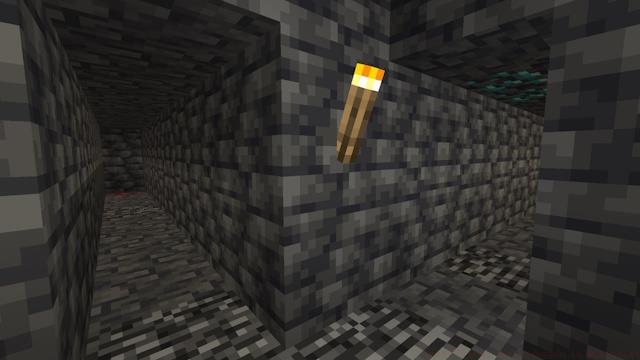
Strip or branch mining provides substantially safer diamond acquisition since you control spawnable area creation rather than venturing into unpredictable dark zones. Consistently place torches behind your position to maintain light levels above 1, preventing hostile mob spawning in excavated areas.
Also Read:
10 Best Minecraft Spear Enchantments
Regardless of whether you pursue cave exploration or systematic mining, comprehensive preparation remains non-negotiable. Remember that iron constitutes the minimum-tier pickaxe capable of breaking diamond ore successfully. Below compiles the complete equipment roster for successful diamond mining expeditions in caves or tunnels:
- Iron Pickaxe (Diamond and Netherite Pickaxes deliver superior performance)
- Critical Pickaxe Enchantments: Fortune 3, Unbreaking, Efficiency
- Protective Shield, Armor Components (Minimum iron tier or superior)
- Emergency Water Bucket, Supplementary Building Blocks: Essential for lava hazard mitigation
- Sustenance, Illumination Sources, and Night Vision Potions
The fortune enchantment dramatically amplifies diamond yields per ore block mined. Torches serve dual purposes for area illumination and navigation marking. Night vision potions prove invaluable for identifying deepslate diamond ores, while food sustains endurance during extended mining sessions.
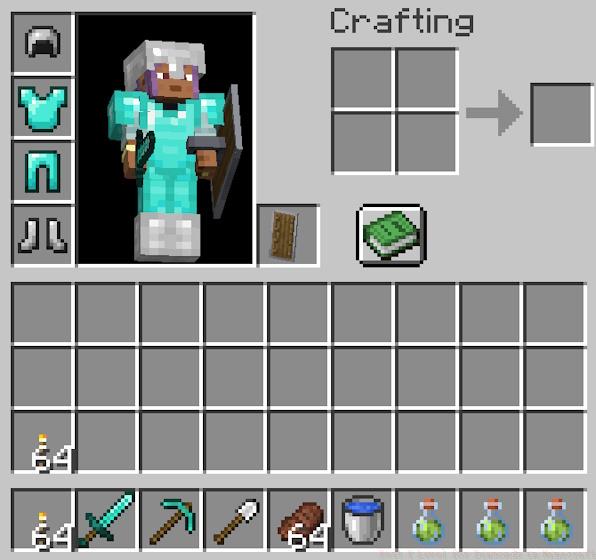
Additionally, transporting storage chests to your mining operations facilitates efficient resource management. This approach enables secure storage of construction materials while transporting only valuable minerals to the surface. Preferably, enchanted protective gear and weaponry provide crucial advantages during hostile mob encounters.
Among these preparations, critically ensure you avoid mining operations at Y=-50 and above or below Y=-64, where diamond ore generation diminishes substantially. This concludes our comprehensive guide to optimal diamond mining levels in Minecraft. Have you discovered alternative methods for locating these precious resources? Share your insights in the comments below.
What is the best Y level for diamonds in Minecraft?
The optimal Y coordinates for diamond ore discovery are Y=-53 and Y=-54, balancing yield optimization with safety considerations.
Can I mine diamonds with a stone pickaxe?
No, stone pickaxes cannot successfully harvest diamond ores, requiring at minimum iron-tier tools. Attempting to break diamond ore with inferior tools yields no diamonds.
Is strip mining better than cave mining?
Yes, strip mining delivers superior efficiency and enhanced safety compared to cave exploration in Minecraft.
What enchantment increases diamond drops?
Fortune 3 enchantment maximizes diamond acquisition from each ore block processed.
Action Checklist
- Craft multiple iron or diamond pickaxes with Fortune 3 enchantment priority
- Gather safety equipment: water bucket, shield, armor, and building blocks
- Navigate to Y=-53 coordinates using F3 debug screen
- Construct 1×2 mining tunnels every 3 blocks for optimal coverage
- Systematically explore deepslate caves while maintaining torch placement
- Implement systematic ore extraction with Fortune-enhanced tools
No reproduction without permission:Tsp Game Club » Best Y Level for Diamonds in Minecraft Master diamond mining in Minecraft with optimal Y-levels, efficient methods, and expert preparation strategies