
TL;DR
- Death Stranding 2 evolves the Strand philosophy from ‘Ropes’ to ‘Both Stick and Rope’, adding combat elements to connection mechanics
- The community systems create genuine player interdependence, transforming simple deliveries into meaningful shared experiences
- Kojima’s cinematic storytelling reaches new emotional heights with improved character development and world-building
- The game’s technical achievements on PS5 deliver stunning visuals and seamless environmental storytelling
- Despite tough competition, DS2 offers unique value through its focus on human connection and reflection
In every gaming generation, there emerges a sequel that defies conventional development expectations—a title that redefines its genre while surpassing its predecessor’s foundation. Death Stranding 2 achieves this rare distinction, establishing its unique identity while expanding upon the original’s innovative concepts. When the game launches on PS5, players immediately encounter an extraordinary sense of scale, artistic confidence, and visual distinction that only Hideo Kojima’s creative direction can deliver.
The first Death Stranding launched during a period when global audiences desperately needed narratives about rebuilding human connections. Years later, Death Stranding 2: On the Beach arrives as these restored bonds face new challenges. Society has reconnected across social, emotional, and physical dimensions, yet many relationships contain underlying fractures. The sequel courageously explores complex questions about trust, the relationships we choose to preserve, and the emotional burden of mending connections that previously defined our lives.
While this year’s Game of the Year contenders all feature compelling emotional narratives that attract storytelling enthusiasts, Death Stranding 2 stands apart through its profound emotional core. Its contemplative, peaceful gameplay mechanics transform what might appear as simple delivery tasks into profound community-oriented journeys that encourage deep personal reflection.
Beneath the apocalyptic narrative framework lies an intensely human story that prompted me to examine my own relationships, consider people I’ve drifted apart from, and embrace the quiet optimism that even damaged connections can be restored with care and intention.
The Kojima-isms Of It All: The Weirdness, The Cinema, and The Strands That Pulled Me In

Kojima’s signature creative elements permeate every aspect of this experience: surreal visual compositions, enigmatic symbolism, cinematic presentation techniques, and film references that balance subtlety with audacious creativity. However, the foundational “Strand” philosophy has undergone significant evolution. Players no longer operate exclusively under the United Cities of America framework. Instead, we work with “Drawbridge,” a civilian organization established by Fragile. The operational motto transitions from单纯的 “Ropes” to “Both Stick and Rope,” recognizing that protecting cherished connections sometimes requires defensive capabilities alongside cooperative tools.
This iteration transformed my perception from being a mere explorer in an unusual environment performing delivery tasks to feeling like the world actively responds to my presence. Each expedition, every character interaction, and all of Sam’s decisions feel like uncovering successive layers of an intricate narrative tapestry.
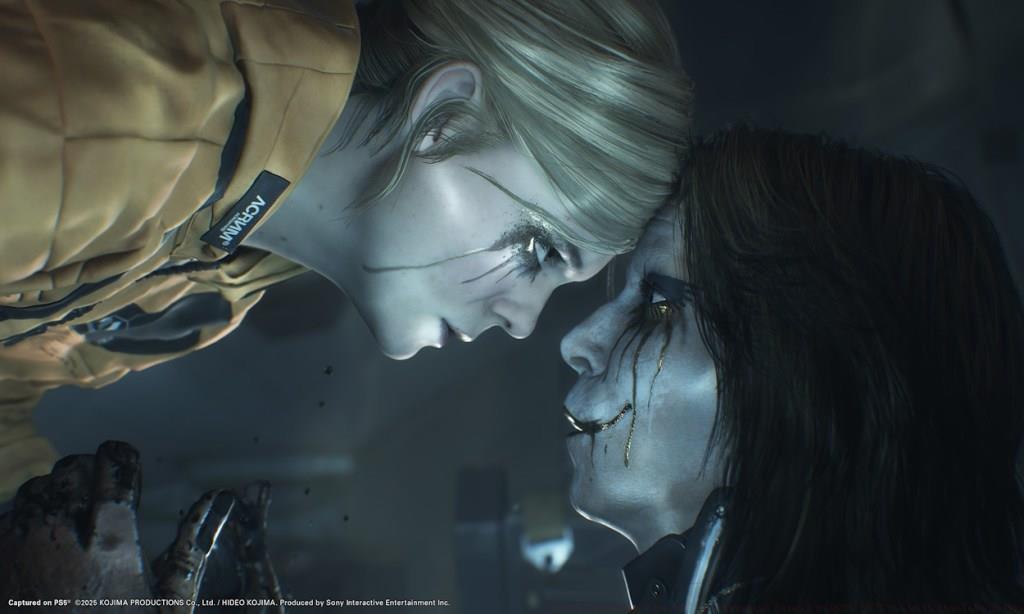
Then Higgs reemerged: a chaotic antagonist reminiscent of the Joker archetype, brandishing an electric guitar that transforms sound into weaponry, introducing theatrical violence that starkly contrasts with Sam’s reserved demeanor. He seemed determined to deconstruct something within Sam’s psyche, not merely dismantle the external world. However, Sam operated with enhanced support this time, commanding the crew of the DHV Magellan—a mobile operational base patrolling the tar-filled currents.
The crew represented a fascinating amalgamation of personalities with competing motivations, featuring a ship captain bearing George Miller’s likeness and a living puppet called Dollman that attaches to your equipment, providing combat assistance and conversational banter. These characters challenged Sam’s perspectives, delivered unexpected developments, and forced decisions that required me to examine my own value systems and priorities.
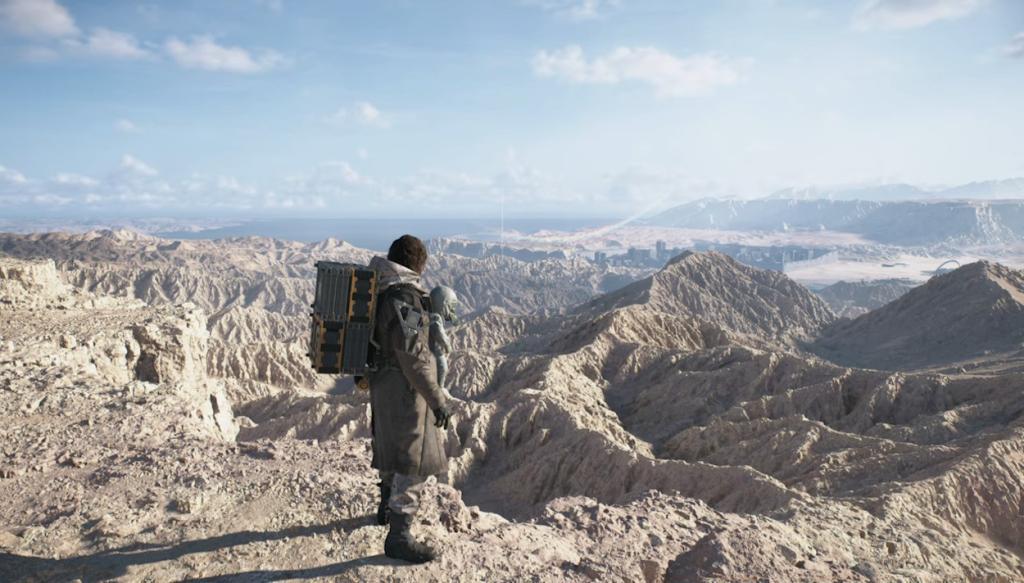
The most significant transformation emerged from how the game engaged me through refined “Strand” mechanics. When discovering strategically placed ladders or other player structures, the ability to express appreciation created more meaningful bonds than simple utilitarian interactions. I stopped placing infrastructure merely because game mechanics dictated it—instead, I constructed elements with genuine consideration for how they might assist fellow players navigating the challenging Australian wilderness terrain.
I developed extensive road networks, engineered monorail systems with precision, and utilized my PCC equipment to establish shelters positioned where I hoped travelers would discover them during moments of critical need. A profound sense of satisfaction emerged from imagining that somewhere, an unknown player might silently appreciate my contributions. These subtle, thoughtful actions reinforced that even in post-apocalyptic conditions, people can support one another without expecting reciprocal benefits.
During a year dominated by action-intensive blockbusters, this experience deliberately slowed my pace and encouraged contemplation while maintaining engagement. With Woodkid’s industrial-orchestral compositions resonating through sequences crafted with short film precision, the game frequently achieved emotional peaks reminiscent of Guillermo del Toro’s cinematic works: poetic, unsettling, and deeply heartfelt.
Year Full of RPGs and Souls, Yet We Got Absolute Cinema with DS2
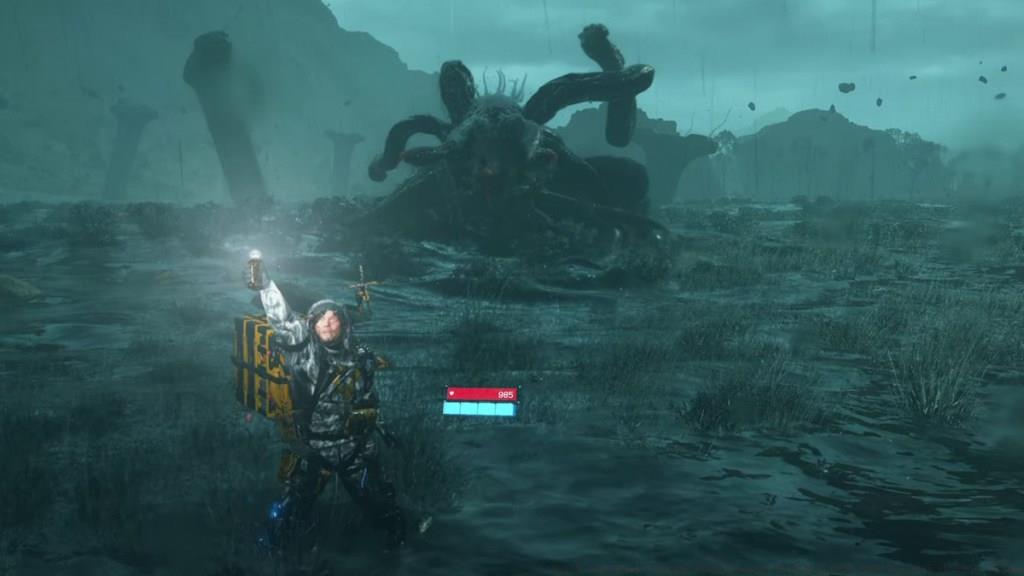
You might question why I continue discussing this game rather than justifying its Game of the Year merits against formidable competitors like Expedition 33 or Silksong. The reality is DS2 delivers a comprehensive experience. It features challenging boss encounters comparable to Expedition and Silksong, encourages world exploration and secret discovery similar to Silksong’s approach, and boasts an exceptional musical score that has evolved into its own concert tour, mirroring Expedition’s achievement.
While it may not secure the 2025 Game of the Year award—given Kojima’s limited critical recognition since departing Konami—I maintain deep respect for his creative vision and the distinctive “Kojima-isms” he infuses into every project. Whether discussing the legendary franchise that made him famous, which Konami remastered for contemporary platforms, his book exploring “memes and genes,” or this sequel that transforms a “walking simulator” into a sophisticated open-world adventure rivaling the best optimized console titles through its advanced engine technology, breathtaking visuals, and compelling narrative structure.
Beyond the emotionally charged storyline, the game world itself functions as an independent narrative device. The transition from UCA territories to Australia’s fractured landscape (including Mexican regions) introduces new environmental challenges. DS2’s settings feel meticulously crafted. Expansive oceans extending toward icy horizons, deserts vibrating with tectonic energy, floodplains with dynamically changing water levels, and auroral displays so vivid they challenge belief when experienced on standard PS5 hardware.
The experience fluidly transitions across temporal dimensions while maintaining engagement not only with Sam’s arc but also Neil Vana’s compelling storyline. I experienced what I describe as a “Memento moment” when witnessing fragments of Sam’s past and the origins of his “BB.” The emotional connection between Sam and Lou, themes of fatherhood, and Sam’s journey through grief moved me to tears, requiring tissue assistance. Kojima’s cinematic narrative techniques woven throughout the sequel evoked powerful nostalgia for the original game, delivering additional emotional impact that resonates deeply.
I recall completing the game initially and feeling compelled to continue exploring the world and finishing side missions to uncover additional details about events preceding the first Death Stranding’s timeline. As I progressed toward preventing another catastrophe, I aimed to ensure no unresolved elements remained that might potentially trigger significant BT encounters in my vicinity.

Describe it however you prefer, but the experience fostered connections with strangers I’ll never meet. It prompted introspection about relationships in my personal life. It encouraged me to decelerate and value tranquil moments. It motivated construction, exploration, and genuine care. Most importantly, it reaffirmed that video games can remain profoundly personal artistic expressions.
This represents Kojima at his most courageous and human. This narrative will endure in memory. This world invites repeated return visits. This game merits recognition, appreciation, and ultimate acclaim.
Pro Tip: When establishing community infrastructure, prioritize locations that serve multiple functions—position shelters near resource deposits and strategic pathways to maximize their utility for other players. This strategic approach not only benefits the community but also increases the likelihood of receiving “likes” that enhance your connection level and unlock additional gameplay benefits.
Common Mistake: Many players focus exclusively on main story progression, missing the rich character development and world-building embedded in side missions. Allocate time for exploration beyond primary objectives to fully appreciate the game’s narrative depth.
The emotional journey through Death Stranding 2’s narrative provides a counterpoint to the action-dominated gaming landscape of 2025. While titles like Battlefield 6 emphasize combat mechanics and multiplayer competition, DS2 offers contemplative space for personal reflection and genuine human connection—elements increasingly rare in contemporary gaming.
For players seeking to optimize their experience, consider balancing story progression with community contribution. The weapon systems in action games provide immediate gratification, but DS2’s community mechanics deliver lasting satisfaction through meaningful player interactions.
Action Checklist
- Establish strategic infrastructure connecting multiple resource points and traversal routes
- Complete character side missions to unlock deeper narrative layers and gameplay enhancements
- Experiment with different loadout combinations for various terrain types and mission requirements
- Engage with community structures and provide likes to strengthen connection networks
- Analyze environmental patterns to anticipate BT encounters and plan efficient routes
No reproduction without permission:Tsp Game Club » Death Stranding 2 Builds the Strongest Strand to GOTY 2025 Win with Absolute Kojima How Death Stranding 2's evolved Strand systems and cinematic storytelling create profound player connections