
A comprehensive review of Captain Blood (2025), analyzing its troubled development history, gameplay flaws, and whether this resurrected pirate adventure is worth your gold.
Introduction: A Ghost Ship Finally Docks
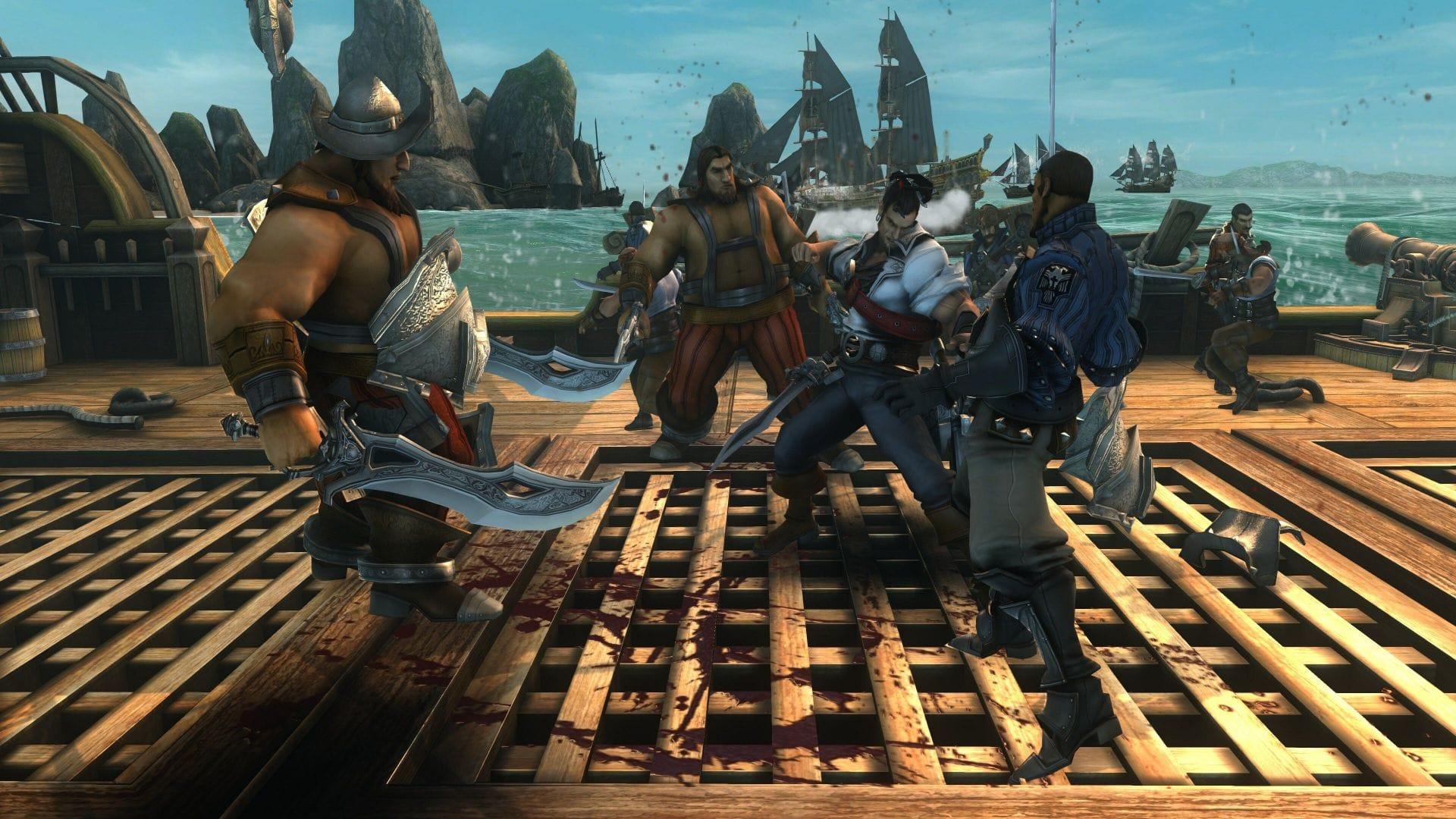
Captain Blood represents one of gaming’s more curious tales of resurrection. Initially announced in 2003 by Russian developer Akella—known for the first Pirates of the Caribbean movie tie-in game—this title was slated for a 2010 release. Like a ship caught in a doldrum, development stalled indefinitely due to internal issues and publisher conflicts, leaving it lost at sea. Its surprise launch in 2025 by SeaWolf Studio and General Arcade is less a triumphant return and more the salvage of a sunken vessel, presenting players with a perfectly preserved, yet deeply flawed, artifact from a bygone era of game design.
Gameplay & Core Mechanics: A Rusty Cutlass
At its heart, Captain Blood is a straightforward hack-and-slash adventure heavily inspired by the PS2-era God of War series. Players control the eponymous captain through linear levels, dispatching waves of foes with a familiar arsenal. Your primary tool is a cutlass, featuring standard light and heavy attacks that can be chained into basic combos. This is supplemented by a cooldown-based shotgun for crowd control and throwable consumable grenades. A dedicated block button parries incoming strikes, while a dodge maneuver helps you evade area-of-effect attacks or reposition. The environment occasionally offers interactive objects, like barrels, that can be picked up and hurled at enemies.
Practical Tip: Master the block and dodge mechanics early. Enemy attacks, especially from gun-wielding foes, have significant stagger potential. Successful blocks not only prevent damage but often create a brief opening for a counter-attack combo.
An execution system activates when enemy health is low, providing a flashy finishing move and extra resources. As you defeat enemies, they drop a currency used exclusively in an in-game Upgrade Shop. Here, you can purchase new combat moves, additional execution animations, and stat boosts for health, damage, or your Rage meter. Filling the Rage meter allows you to enter a powered-up state, temporarily increasing your damage output—a classic system for the genre.
Where the Game Sinks: Critical Flaws & Frustrations
While the foundational combat loop is serviceable, nearly every element surrounding it is compromised. The most immediate issue is enemy design. Foes are excessively spongy, requiring too many hits to defeat, which quickly turns combat into a slog. This problem is compounded by enemies armed with firearms who can attack from off-screen, easily staggering you and breaking your flow. The hitbox detection is notably unreliable; swings that visually connect sometimes miss, and attacks that appear to whiff can inexplicably deal damage.
Common Mistake to Avoid: Do not waste early currency on flashy new combos from the shop before investing in core damage or health upgrades. The basic attacks are sufficient initially, and surviving the spongy enemy encounters is a higher priority.
Quick-Time Events (QTEs) are a major source of frustration. During cutscenes and boss battles, button prompts appear with an unforgivably small input window. Failure typically results in an immediate game over, forcing a restart from the last checkpoint—which are often spaced frustratingly far apart. This punitive design feels archaic and unnecessarily harsh.
Level design offers little variety or excitement. You’ll battle through repetitive enemy waves in bland environments, occasionally manning stationary turrets in segments that disrupt the core melee combat without adding strategic depth. The pacing suffers greatly as a result.
Technical Presentation & Polish: A Storm of Bugs
Being a 2010 game at its core, expectations for cutting-edge graphics are rightly low. The visual style is a nostalgic callback to the PS3/Xbox 360 generation, and performance is solid on modern hardware, with high frame rates easily achievable. The technical troubles lie in a profound lack of polish. The audio mixing is fundamentally broken; environmental sounds and music completely drown out character dialogue during cutscenes, rendering the already thin pirate plot nearly incomprehensible.
The Upgrade Shop itself is buggy. Purchased moves sometimes fail to unlock or function inconsistently, wasting precious in-game currency. Various other minor glitches, from texture pop-in to animation hiccups, remind you that this is an unrefined product. The decision to launch the game in this state suggests these issues may never be patched, which is a significant concern for potential buyers.
Optimization Tip for Advanced Players: If you are determined to play, consider modifying your system’s audio settings to reduce sound effects volume specifically. This can help balance the mix and make dialogue somewhat audible amidst the broken audio implementation.
Verdict & Value: To Board or Not to Board?
Captain Blood’s re-emergence is a fascinating case study in game preservation, proving that no project is truly gone. However, its value as a consumer product in 2025 is highly questionable. Priced at $24.99, it asks a significant sum for an experience that was likely mediocre even in its original intended release window. The core combat provides momentary, mindless fun, but it is relentlessly undermined by dated design, technical jank, and sheer repetition.
The nostalgic charm of a simple, linear hack-and-slash is present but faint, constantly obscured by frustration. For the vast majority of players, this is a voyage not worth taking. It holds appeal almost exclusively for game historians and collectors fascinated by its development saga. For everyone else, the recommendation is clear: wait for this particular treasure chest to appear in a deep discount bin, if you must explore it at all.
Reviewed On: PC (Review code provided by publisher)
Platform(s): PC, PS4, PS5, Xbox One, Xbox Series X|S, Nintendo Switch
Developer(s): SeaWolf Studio, General Arcade
Release Date: May 6, 2025
No reproduction without permission:Tsp Game Club » Captain Blood review – A sunken treasure that’s best left forgotten A comprehensive review of Captain Blood (2025), analyzing its troubled development history, gameplay flaws, and whether this resurrected pirate adventure is worth your gold.