
Master Clair Obscur: Expedition 33 difficulty settings with strategic insights and gameplay optimization tips
Understanding the Game’s Unique Mechanics
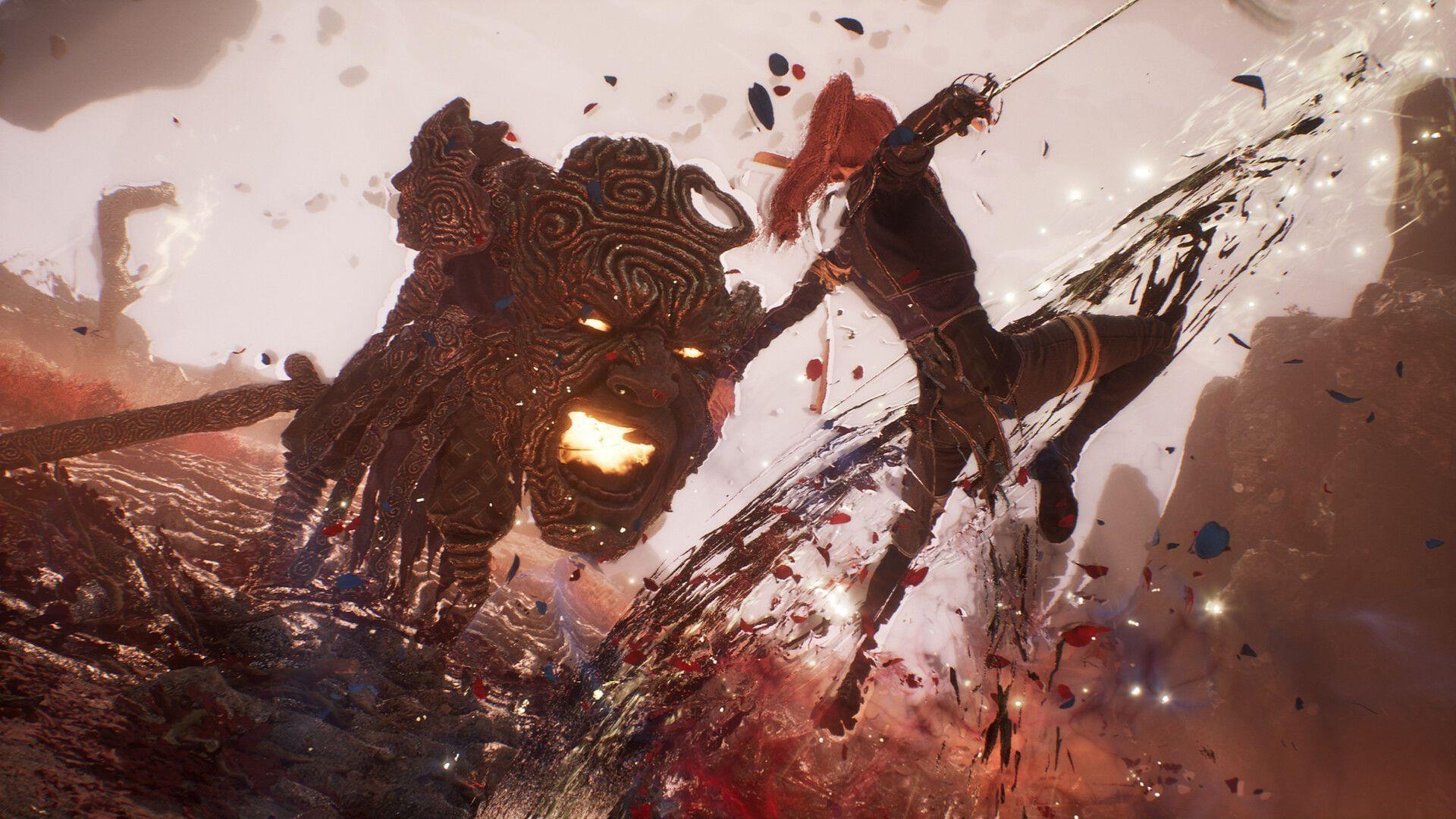
Clair Obscur: Expedition 33 presents players with three distinct difficulty configurations to customize their adventure. Developed by French studio Sandfall Interactive, this innovative turn-based RPG centers on thwarting the Paintress—a supernatural entity systematically eliminating thirty-three-year-olds. Drawing inspiration from acclaimed JRPGs like Persona 5, the game integrates dynamic real-time interaction mechanics that redefine traditional turn-based combat systems.
The combat system introduces reactive defense mechanics rarely seen in turn-based RPGs, where every enemy assault provides a brief opportunity window for evasion or counter maneuvers. Adjusting difficulty settings directly impacts the duration of these reaction windows, significantly affecting the execution complexity of dodging and parrying actions. Higher difficulties compress these timing windows, demanding near-perfect reflexes for successful defensive maneuvers.
Detailed Difficulty Setting Analysis
Also read: 5 reasons to be excited for Clair Obscur: Expedition 33
Clair Obscur: Expedition 33 offers three progressive difficulty tiers:
Strategic Difficulty Selection Guide
Also read: Clair Obscur: Expedition 33 Review – The best RPG you will play this year
For players primarily interested in the game’s rich narrative and character development, Story difficulty offers an optimal experience by minimizing combat frustration. The reduced challenge ensures continuous story progression without significant gameplay barriers. However, if you seek demanding combat that tests your reflexes and strategic planning, Expert difficulty delivers intense encounters that will push your skills to their limits.
The Expeditioner setting represents the recommended starting point for most players, providing authentic gameplay balance as envisioned by the development team. This difficulty offers substantial challenge while remaining accessible through mastery of game mechanics. Crucially, you can modify difficulty settings at any point through the main menu, allowing dynamic adjustment as your skills improve or preferences change.
Advanced Strategy Tip: Consider beginning with Expeditioner difficulty to learn core mechanics, then transitioning to Expert once you’ve mastered parry and dodge timing. This progressive approach ensures you develop fundamental skills while gradually increasing challenge. Pay particular attention to enemy attack patterns during early encounters—this knowledge becomes crucial for success at higher difficulties where margin for error diminishes significantly.
Common Mistake Avoidance: Many players underestimate the importance of perfecting dodge mechanics before attempting Expert difficulty. Practice against early-game enemies to internalize timing windows, as later encounters provide minimal room for error. Additionally, don’t hesitate to temporarily lower difficulty when encountering particularly challenging boss fights—the game’s flexible system supports adaptive challenge management.
No reproduction without permission:Tsp Game Club » Clair Obscur: Expedition 33 difficulty settings explained – Which one should you go for? Master Clair Obscur: Expedition 33 difficulty settings with strategic insights and gameplay optimization tips