
TL;DR
- Fuel powers your train’s escape from zombie-infested territories to safety
- Any burnable item marked ‘Fuel’ can be used, from coal to zombie corpses
- Coal provides the best balance of availability and efficiency for most journeys
- Strategic fuel management preserves cash for essential weapons and defenses
- Advanced players optimize fuel usage through smart collection and burning priorities
In the survival horror game Dead Rails, fuel represents your primary means of propulsion and escape from the zombie apocalypse. This critical resource directly determines whether you’ll successfully reach the final checkpoint and secure passage to Mexico. Without adequate fuel management, your train becomes a stationary death trap surrounded by relentless undead threats.
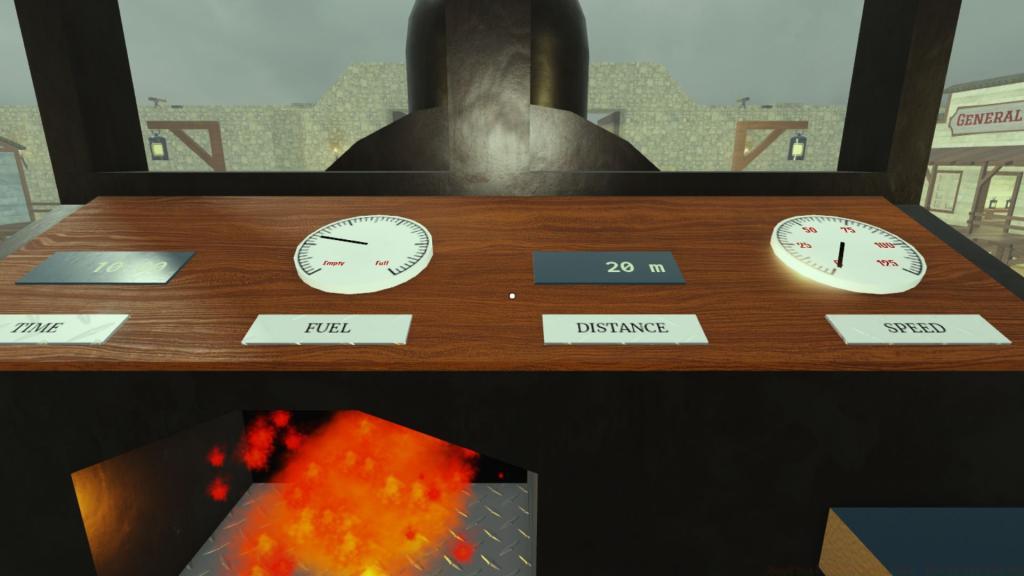
The game’s fuel system operates on a straightforward principle: any combustible material placed in the train’s engine furnace generates propulsion. The system features a clearly marked ‘Fuel’ tag on eligible items, eliminating guesswork during frantic scavenging sessions. Each fuel source contributes differently to your journey’s progress based on its inherent energy value.
Your fuel gauge serves as both a resource indicator and distance calculator. Understanding that slightly over half a tank typically covers approximately 10,000 meters at maximum velocity provides crucial planning intelligence. This knowledge becomes particularly vital when navigating dangerous territories where stopping could mean certain death.
Dead Rails offers a surprisingly diverse range of fuel options, each with distinct efficiency characteristics. The game’s design philosophy encourages creative resource utilization, allowing players to burn virtually anything combustible to maintain forward momentum.
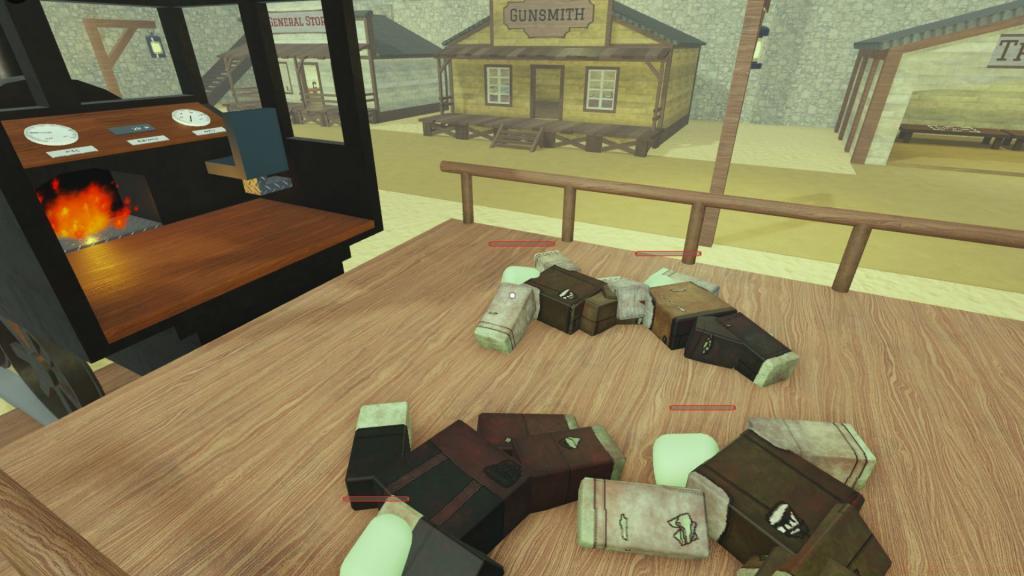
Fuel sources span multiple categories, from traditional energy materials to macabre organic options. While most burnable items serve as viable fuel, the game strategically excludes valuables like gold, silver, ammunition, and defensive equipment from combustion eligibility.
Coal emerges as the optimal fuel choice for most scenarios, offering excellent availability combined with substantial energy output. This mineral resource typically increases your fuel gauge by approximately 26% per unit, making it the workhorse of efficient train operation.
| Fuel Source | Fuel Value (out of 50) | Distance (in meters) |
|---|---|---|
| Nikola Tesla | 41 | 13350 |
| Coal | 13 | 4225 |
| Barrel | 6 | 1950 |
| Chair, Werewolf | 5 | 1625 |
| Rope, Wooden Painting | 4 | 1300 |
| Book, Wheel | 3 | 975 |
| Tumbleweed, Skeleton, Unicorn, Horse, Zombies, Wolf, Outlaw, Vampire | 2 | 650 |
| Newspaper, Wanted Poster | 1 | 325 |
Advanced players should note that distance calculations assume maintained momentum. Starting from zero velocity consumes additional fuel for acceleration, potentially reducing your effective range by 5-10%. This efficiency loss becomes critically important during emergency stops or when navigating obstacle-heavy routes.
Mastering fuel management in Dead Rails requires more than simple collection—it demands strategic prioritization and economic foresight. Your fuel decisions directly impact your ability to purchase essential survival gear, creating a constant tension between immediate propulsion needs and long-term defensive capabilities.
Resource Prioritization Framework: Always scan environments systematically for high-value fuel sources first. Coal deposits typically appear in mining areas and industrial zones, while creature corpses abound in combat-heavy locations. Develop a mental map of reliable fuel spawn points to minimize wasteful backtracking.
Common Management Mistakes: Many players inefficiently burn low-value items when better options remain undiscovered. Avoid using newspapers or wanted posters unless absolutely necessary, as their minimal fuel contribution rarely justifies the inventory space they occupy.
Advanced Optimization Techniques: Experienced players employ the ‘fuel ladder’ strategy—using low-tier items for short distances while reserving premium fuels like coal for critical long stretches. This approach maximizes your economic efficiency, preserving precious currency for weapon upgrades and defensive enhancements.
Economic Impact Considerations: Every fuel item burned represents potential savings on essential purchases. By strategically utilizing freely available resources like zombie corpses and environmental junk, you can allocate more funds toward the essential weaponry needed to survive increasingly dangerous encounters. This financial optimization becomes particularly crucial during later game stages where equipment costs escalate dramatically.
Pro-Level Fuel Conservation: Implement momentum-based driving techniques to reduce fuel consumption. Maintain consistent speeds whenever possible, as frequent acceleration and deceleration significantly decrease your effective range. Combine this with smart class selection strategies that complement your fuel management approach.
Remember that Nikola Tesla’s corpse, while offering immense fuel value, remains largely theoretical for practical use since it only appears at your final destination. Focus instead on reliably available resources that can be consistently gathered throughout your journey. For comprehensive survival strategies, consult our complete Dead Rails guide covering all aspects of the game’s challenging mechanics.
Action Checklist
- Systematically scan all environments for items marked ‘Fuel’ before proceeding
- Prioritize coal collection above all other fuel sources
- Implement fuel ladder strategy: use low-tier items for short distances, reserve coal for critical stretches
- Maintain consistent train speed to maximize fuel efficiency
- Calculate distance requirements before departure to ensure adequate fuel reserves
No reproduction without permission:Tsp Game Club » Dead Rails Fuel Explained: How to Get and Use Master Dead Rails fuel management with expert strategies for optimal train operation and survival