
Death Stranding 2 elevates Kojima’s vision with expanded gameplay, emotional storytelling, and enhanced player agency
The Evolution of Kojima’s Vision
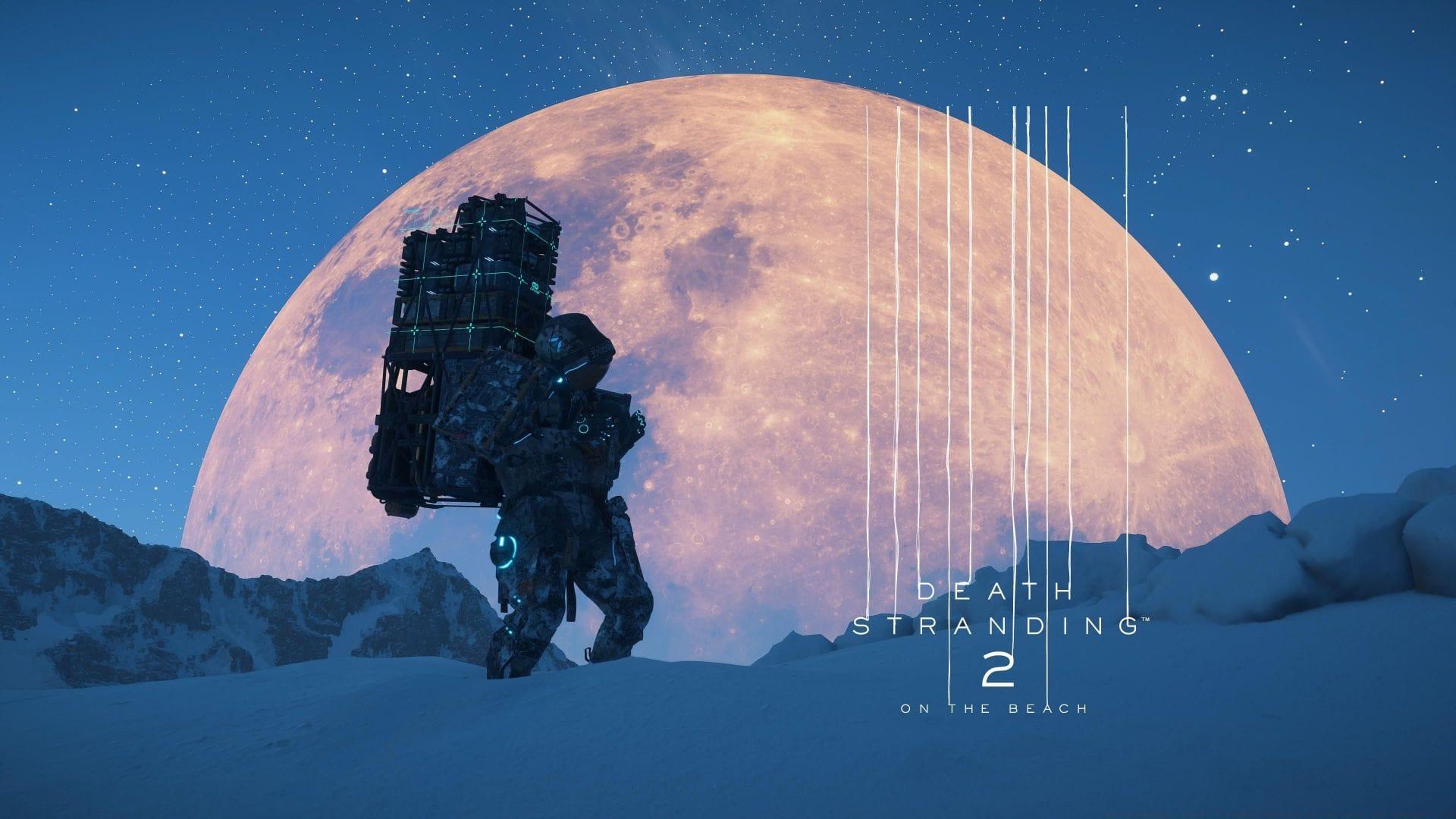
Following the announcement and subsequent reveals for Death Stranding 2, I recognized the monumental challenge facing this sequel. The original Death Stranding proved deeply divisive among players, with many only discovering its thematic resonance during the global pandemic’s isolation. Having invested approximately 40 hours into this new installment, I can confidently assess its position in the gaming landscape.
This remains unmistakably a Hideo Kojima production through every aspect of its design. The director hasn’t tempered any of the controversial elements that drew criticism in the first game. Consequently, Death Stranding 2 continues the tradition of being an acquired taste rather than mainstream entertainment.
Looking for Crossword hints & solutions? Check out latest NYT Mini Crossword Answers, LA Times Crossword Answers, and Atlantic Crossword Answers
So where exactly does Death Stranding 2 position itself when the credits finally roll, leaving players with both answers and lingering questions about its complex narrative?
Newcomers should abandon any expectation of immediately grasping every narrative thread or dismissing the core gameplay as mere walking simulation. The storytelling remains deliberately convoluted, pacing occasionally feels uneven, and the fundamental loop involves transporting cargo between locations while navigating environmental hazards and hostile forces. However, DS2 masterfully builds upon its predecessor’s foundation while establishing a distinct identity that stands on its own merits.
Story and Narrative Design
The narrative picks up where Death Stranding concluded, finding Sam Porter Bridges and Lou residing in seclusion, hidden from the United Cities of America’s surveillance. Following the first game’s conclusion, both characters remained in necessary concealment. Their isolation ends with an unexpected appearance by Fragile, who assigns the mission of connecting Mexico to the chiral network and investigating discoveries at a former colleague’s research facility.
The opening segment provides players with essential gameplay fundamentals through structured tutorials. Early encounters introduce human adversaries, environmental threats including sandstorms and floods, and the ever-present BT entities. While Sam works to integrate Mexico into the network, Fragile assumes responsibility for Lou’s care at Sam’s shelter.
Players reunite with familiar characters and uncover disturbing revelations (which I’ll refrain from spoiling, as these narrative elements deserve firsthand discovery rather than review summaries). During the return journey to Fragile and Lou, news arrives of an assault on Sam’s shelter, resulting in another significant emotional blow for the protagonist.
Linking America (from the previous installment) with Mexico in Death Stranding 2 establishes a stable Plate Gate connection. This structure bridges Mexico and Australia, creating transcontinental travel possibilities in the post-Death Stranding era. Naturally, Sam receives the assignment to connect Australia’s chiral network, hoping to generate additional Plate Gates that could eventually reunite the fragmented world. This premise launches the expedition through Australia’s challenging landscapes, where porters excel at delivering undamaged cargo across hazardous territory.
What can be revealed about Death Stranding 2’s narrative without spoiling key moments? The sequel fulfilled the ambitious expectations I developed from my Death Stranding experience and careful analysis of promotional materials. The storyline follows a linear progression presented through non-linear storytelling techniques. Players cannot alter the ultimate outcome, though dialogue options now provide opportunities to gather additional world-building information and item details.
As narrative threads unravel, players discover more about Sam’s history, Lou’s true identity, the whereabouts of original game allies, and Higgs’ surprising return in transformed guise. New characters receive substantial development, with Dollman and Tarman likely becoming audience favorites. Their backgrounds unfold organically rather than through forced exposition, reminiscent of Peter Englert’s gradual revelation in the first game. These characters avoid feeling like one-dimensional vehicles for philosophical monologues, instead integrating naturally into the world while offering meaningful interactions and practical guidance.
Death Stranding 2 maintains the cinematic presentation standards of its predecessor. While avoiding the extended cutscenes that some players found exhausting, the game remains heavily reliant on cinematic sequences. These scenes typically build upon one another effectively. One particularly memorable late-game moment features Sam, Higgs, and a reinterpretation of BB’s Theme – a beautifully poignant convergence I won’t detail to preserve the surprise.
Strategic Story Engagement Tips
For optimal narrative comprehension, prioritize main story missions initially to maintain plot momentum. Pay close attention to data logs and email communications, as these often contain crucial background information. When presented with dialogue choices, select investigative options to unlock additional world-building context that enhances understanding of the game’s complex mythology.
Enhanced Gameplay Mechanics
The fundamental gameplay cycle in Death Stranding 2 mirrors its predecessor’s structure. Players access distribution terminals, collect cargo, and journey to new locations to establish chiral network connections. Mission types include primary story assignments alongside supplementary and standard delivery tasks. Increasing connection levels with locations yields additional resources, unlocks new equipment, and expands bandwidth capacity.
Unlike the original, Death Stranding 2 permits more liberal engagement with human opponents and BT entities. Players acquire practical weaponry like the Bola Gun and Tranquilizer Sniper Rifle relatively early in the progression. Vehicle modifications facilitate cargo collection and combat against human enemies, BTs, and mechanical threats. In this regard, DS2 doesn’t restrict players to stealth approaches, instead enabling aggressive combat strategies from the early stages. With an extensive arsenal of unlockable weapons and tools, loadout configurations and playstyles adapt to encountered challenges and personal preference.
Australia’s environments feel remarkably vivid and distinctive as players traverse varied regions. From stone formations to dry wastelands and icy peaks, DS2 offers diverse exploration opportunities and obstacles. Periodic environmental events like flooding necessitate careful route planning during missions. Preparation must account for mission type, upcoming terrain, and anticipated enemy types when configuring equipment.
Players may invest considerable time establishing infrastructure connections to simplify future navigation for themselves and other players. For instance, I dedicated over an hour constructing zipline networks across mountain ranges, spanning dangerous snowy passes to avoid repeating tedious traversal in subsequent missions.
Compared to Death Stranding, DS2’s gameplay challenges feel significantly streamlined. Completing the primary narrative required approximately 35 hours (excluding side content on Casual difficulty), during which I found trucks equipped with Sticky Cannon and Heavy Machine Gun modifications effectively handled most obstacles. Naturally, difficulty settings impact challenge levels, but the sequel generally presents fewer complications than its predecessor.
While I plan to replay the campaign at higher difficulty eventually, I found Casual and Normal settings somewhat less demanding than desired. The reduced challenge partly stems from asynchronous multiplayer elements, where items deposited by other players during their sessions provide assistance.
Multiple fast-travel options exist in Death Stranding 2, including the DHV Magellan and Transponder systems. These methods have limitations – the DHV Magellan delivers cargo but substitutes standard ratings with specialized DHV evaluations. Fortunately, lore-consistent tar current disruptions frequently prevent the aircraft from operating.
Players seeking greater challenges than Death Stranding 2’s standard offering should attempt missions primarily on foot. Calculate carrying capacity limits, assess endurance boundaries, evaluate terrain navigation difficulties, and appreciate Australia’s stunning visual landscapes throughout the journey.
My extended zipline construction session in snowy mountains, mentioned earlier, created one of my most cherished gameplay memories despite the challenges involved. While DS2 avoids replicating the original’s exact obstacles, additional difficulty would have been welcome.
Advanced Gameplay Optimization
Master the Sticky Cannon for efficient cargo management across difficult terrain. Prioritize zipline network construction between distribution centers to create efficient travel routes. Balance your loadout between combat effectiveness and cargo capacity based on mission requirements. Utilize the asynchronous multiplayer system by contributing structures that benefit other players while receiving assistance from their contributions.
Common Beginner Mistakes to Avoid
Don’t overload your character with cargo beyond manageable limits. Avoid neglecting terrain preparation before major deliveries. Remember that hostile encounters become more manageable with proper equipment preparation. Don’t underestimate the value of infrastructure building for long-term efficiency gains.
Technical Performance and Presentation
Death Stranding 2’s PS5 performance remained flawless throughout my main story playthrough. Only after completion did I encounter a minor audio anomaly, an isolated incident I couldn’t reproduce. Otherwise, the console version operates impeccably. Similar to the original, the PS5 controller’s haptic feedback communicates terrain textures like road gravel and water flow, significantly enhancing immersion.
Death Stranding’s experience was profoundly connected to Hideo Kojima’s strategic soundtrack implementation. Musical cues arrived at ideal moments, sometimes accompanying players during mission final segments. Fortunately, Death Stranding 2 maintains this strength. The score consistently matches scene requirements, appearing at precisely the right moments with perfect tonal alignment.
Without revealing specific contexts, DS2 incorporates BB’s Theme in multiple emotionally resonant sequences, though prepare for unexpected guitar-driven interpretations. For those anticipating Woodkid’s ‘To the Wilder,’ the wait proves substantial but ultimately rewarding, particularly the version featuring Elle Fanning’s contributions.
The new Music Player feature enhances the experience further, enabling curated playlist creation from unlocked tracks for playback in chiral network-connected areas. Kojima Productions clearly maintained their audio excellence in DS2’s musical composition and implementation.
Performance Optimization Tips
Enable haptic feedback features for full immersion benefits. Utilize the Music Player during long traversal segments to enhance the journey atmosphere. Monitor audio settings for optimal balance between dialogue, sound effects, and musical score. The photo mode provides excellent opportunities to capture Australia’s stunning environmental diversity.
Thematic Depth and Philosophical Questions
Promotional materials for Death Stranding 2: On the Beach prominently feature Hideo Kojima posing a fundamental question: should we have established these connections? This inquiry essentially challenges the actions taken in the original game. The answer proves appropriately complex, as expected.
Even at surface level, connections demonstrate inherent neutrality – neither universally positive nor negative. Consider that repaired roadways can be utilized by enemies and malicious actors. As players reduce post-Death Stranding world difficulties, they increasingly question which parties actually benefit from these improvements.
I would argue Death Stranding 2 explores philosophical concepts less intensively than its predecessor. The ideas feel more accessible, though this isn’t necessarily criticism. The original game introduced unprecedented novelty and strangeness to players. With DS2, we already possess familiarity with the Death Stranding universe.
Rather than pursuing shocking revelations that might feel dissonant within this established world, DS2 constructs its narrative using threads continuing from the first game at both individual and societal levels. We discover more about Lou’s background as BB-28 while simultaneously learning about objectives for connecting additional countries to the chiral network and motivations of their inhabitants.
DS2 effectively encourages players to scrutinize the driving forces behind this connection initiative and whether the outcomes prove as beneficial as authorities claim. Significant narrative complexity awaits unpacking, particularly after completion when players can properly contemplate the implications of these connections.
I’ll refrain from extensive spoilers in this section, though I must acknowledge correctly anticipating one major conclusion revelation. The final cinematic sequences nevertheless delivered emotionally resonant, bittersweet closure.
Death Stranding 2 continues exploring themes of loss and mourning. Death permeates this world as an unavoidable presence, though not necessarily absolute termination. The conclusion offers brief insight into potential series future directions, regardless of whether Hideo Kojima pursues further installations.
Thematic Engagement Strategy
Pay attention to environmental storytelling elements that reinforce connection themes. Reflect on the moral implications of infrastructure development that benefits both allies and enemies. Consider how character backstories illustrate different perspectives on isolation versus connection. The data logs and optional conversations often contain crucial philosophical context.
Final Assessment and Recommendations
How should we evaluate sequel success – independently or through predecessor comparison? I believe both approaches apply, and Death Stranding 2 excels in either framework. Understand that full DS2 appreciation requires previous experience with Death Stranding’s primary narrative. Even comprehensive story summaries cannot replicate the original’s contextual understanding, though the sequel includes a recap feature for new game initialization.
Death Stranding 2 develops the gameplay systems and world-building established in the first game while perfectly elevating them without mere replication. Simultaneously, DS2 establishes its own distinctive identity through narrative approach, thematic exploration, and potential series foundation (should Kojima Productions continue the franchise). The minor issues mentioned previously don’t diminish the exceptional experience awaiting players.
Death Stranding 2 wasn’t designed for universal appeal or mainstream audience accommodation. The game embraces otherworldly strangeness and occasional deliberate defiance. It embodies both the stick and rope concepts Kojima introduced in DS1, while excelling at its intended purpose. If you choose to experience DS2, approach it without predetermined biases, and I’m confident it will provoke meaningful reflection.
Reviewed on: PS5 (Code provided by SIE)
Developer(s): Kojima Productions
Release date: June 26, 2025
Player Recommendations
Series veterans will appreciate the refined mechanics and expanded narrative scope. Newcomers should complete the first game or thoroughly review its storyline beforehand. Players preferring straightforward narratives may find the complex storytelling challenging. Those who enjoyed the original’s unique blend of delivery simulation and existential themes will find their investment rewarded.
No reproduction without permission:Tsp Game Club » Death Stranding 2 review: The stick, the rope, and the sequel that embodies it all Death Stranding 2 elevates Kojima's vision with expanded gameplay, emotional storytelling, and enhanced player agency