
Complete guide to Battlefield’s class system overhaul with strategic insights and gameplay optimization tips
Introduction to the Class System Overhaul
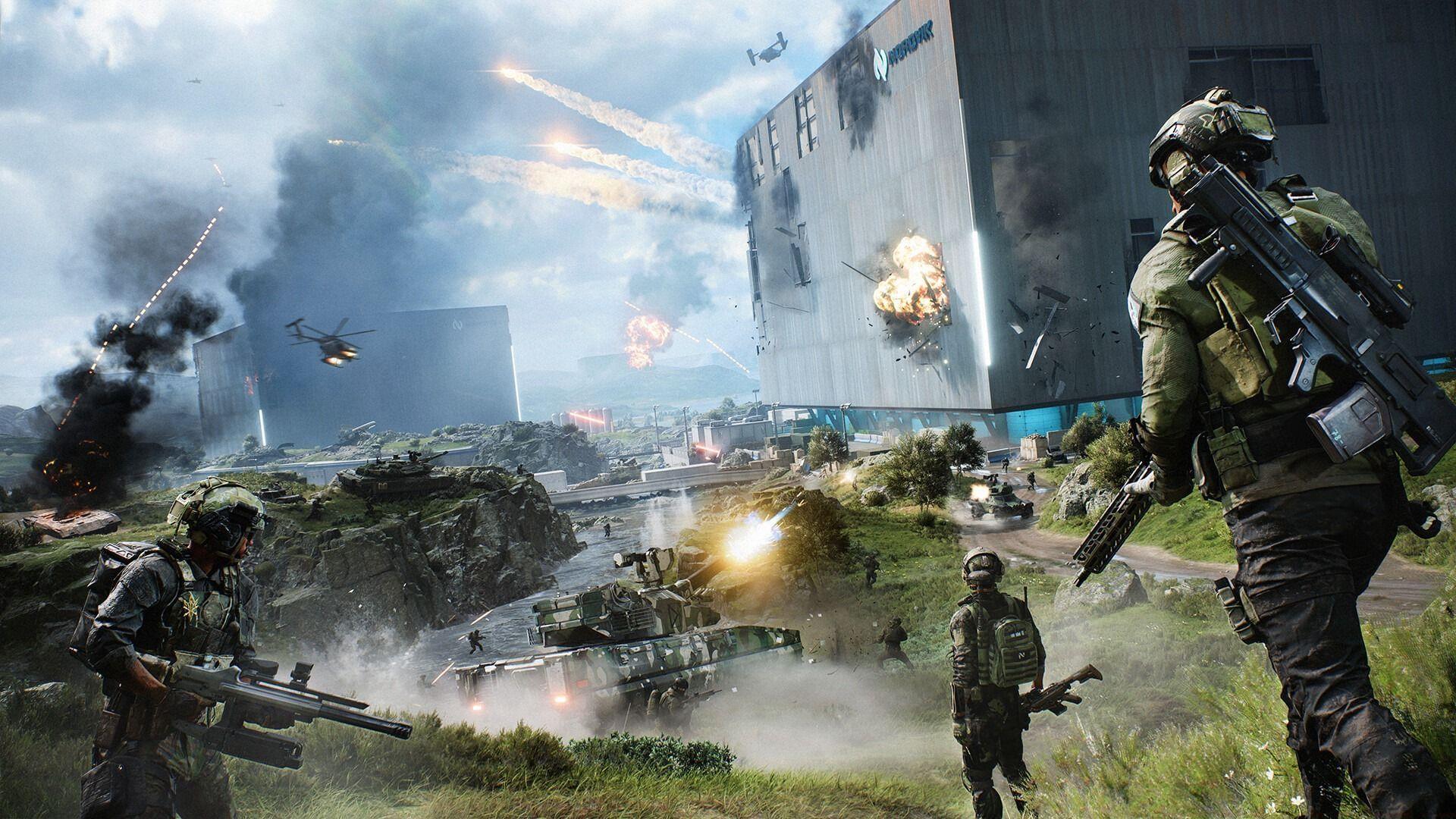
Battlefield’s upcoming installment introduces a transformative class system redesign that fundamentally reimagines player roles and team dynamics. Developer DICE has released extensive details through their Battlefield Labs platform, revealing a sophisticated hybrid approach that combines predetermined class identities with extensive customization opportunities. This evolution represents a significant departure from previous systems, offering players both structure and flexibility to craft their ideal combat experience.
Core Class Structure and Pre-Defined Elements
The foundation of the new system rests on four distinct combat roles: Assault, Engineer, Support, and Recon. Each class comes with carefully curated signature components that establish their core identity and battlefield function. These predetermined elements include signature weapons that define combat style, default weapon packages for immediate effectiveness, signature traits that enhance role-specific capabilities, and signature gadgets that provide unique tactical advantages.
This structured approach ensures each class maintains clear strategic purpose while allowing players to develop specialized expertise. The pre-defined elements serve as the class foundation, preventing role dilution while the customization systems enable personal playstyle refinement. Understanding these core components is essential for maximizing your effectiveness and contributing to team success.
Class-Specific Gadgets and Strategic Applications
Assault specialists receive the revolutionary Adrenaline Injection gadget, providing comprehensive combat enhancements. This powerful tool offers temporary immunity to stun and flash effects, significantly increased sprint speed for rapid repositioning, reduced explosive damage resistance for survival in heavy combat zones, and enhanced auditory perception to detect enemy movements. This makes Assault players ideal for aggressive pushes and objective captures.
Engineer operators wield the essential Repair Tool, maintaining critical vehicle support capabilities from previous titles. This gadget enables field repairs of armored assets, keeping team vehicles operational during extended engagements. Proper engineer play requires positioning awareness and timing to maximize vehicle uptime while minimizing personal exposure.
Support personnel utilize the versatile Supply Bag, offering both medical assistance and ammunition replenishment. This dual-function gadget makes Support players the backbone of sustained team operations, enabling extended engagements through resource management. Effective deployment requires strategic positioning and anticipation of team needs.
Recon specialists operate the Motion Sensor gadget, providing crucial intelligence through enemy detection within a defined operational radius. This tool transforms reconnaissance players into the team’s information hub, enabling strategic positioning and ambush prevention. Mastery involves optimal placement and communication of gathered intelligence.
Customization Pathways and Player Progression
The second phase of the class system introduces sophisticated training pathways that allow players to specialize within their chosen roles. These progression systems enable tactical customization while maintaining class identity integrity. Players can develop specialized skill trees that enhance their preferred playstyle, whether focusing on aggressive assault tactics, defensive engineering, sustained support operations, or advanced reconnaissance techniques.
This customization layer addresses the common player desire for personal expression without compromising the team-based role system. The training paths are designed to reward dedicated class mastery while providing meaningful choices that impact gameplay effectiveness. Understanding these progression options early will significantly accelerate your competitive advantage.
Advanced Strategies and Optimization Techniques
Successful team composition requires balanced class distribution—typically two Assault, one Engineer, one Support, and one Recon creates optimal versatility. Avoid the common mistake of stacking multiple players in popular classes, as this creates capability gaps that skilled opponents will exploit. Instead, coordinate class selection during the pre-match lobby to ensure comprehensive team coverage.
Advanced players should master gadget timing and situational awareness. The Adrenaline Injection works best during objective pushes rather than random engagements. Repair Tools require anticipating vehicle damage rather than reactive repairs. Supply Bags should be deployed preemptively before ammunition depletion, and Motion Sensors need strategic placement at choke points rather than random deployment.
Communication between class roles dramatically enhances effectiveness. Recon players should call out motion sensor detections to Assault players for flank prevention. Engineers should coordinate with Support for repair coverage during vehicle maintenance. This inter-class synergy transforms individual effectiveness into team dominance.
Also read: Battlefield 6 Rush gameplay leaked, and fans are loving it
These strategic insights complement the comprehensive details from DICE’s Battlefield Labs community updates. While the game remains in active development with considerable time until release, the developer’s transparent approach ensures community feedback directly shapes the final product. This collaborative development model represents a significant shift in how major franchises engage with their player bases.
No reproduction without permission:Tsp Game Club » DICE gives major updates about the next Battlefield: Everything we know Complete guide to Battlefield's class system overhaul with strategic insights and gameplay optimization tips