
TL;DR
- Episode 4 permanently locks your team composition and romance path – choose carefully as these decisions cannot be reversed
- The Blonde Blazer scene requires specific dialogue patterns and timing to unlock, with major implications for your romantic storyline
- Team selection directly impacts mission success rates and character relationships throughout the entire game campaign
- Understaffed missions demand strategic resource allocation and priority management to maintain operational efficiency
- Multiple playthroughs are recommended to experience different romance paths and team combinations for full completion
Master Episode 4’s game-changing decisions with strategic precision. This episode represents a critical turning point where your choices become permanent commitments that shape your entire campaign experience.
Episode 4 introduces irreversible consequences that fundamentally alter your gameplay trajectory. Unlike previous episodes where relationship fluctuations were temporary, this chapter locks in both your team composition and romantic path, creating lasting narrative branches that persist through the entire game. The decisions you make here will echo across multiple future episodes.
The episode’s structure emphasizes team dynamics transformation. You’ll navigate the aftermath of Episode 3’s personnel cuts while building toward permanent roster decisions. This requires careful consideration of character synergies, skill distributions, and long-term strategic planning for your superhero team’s development.
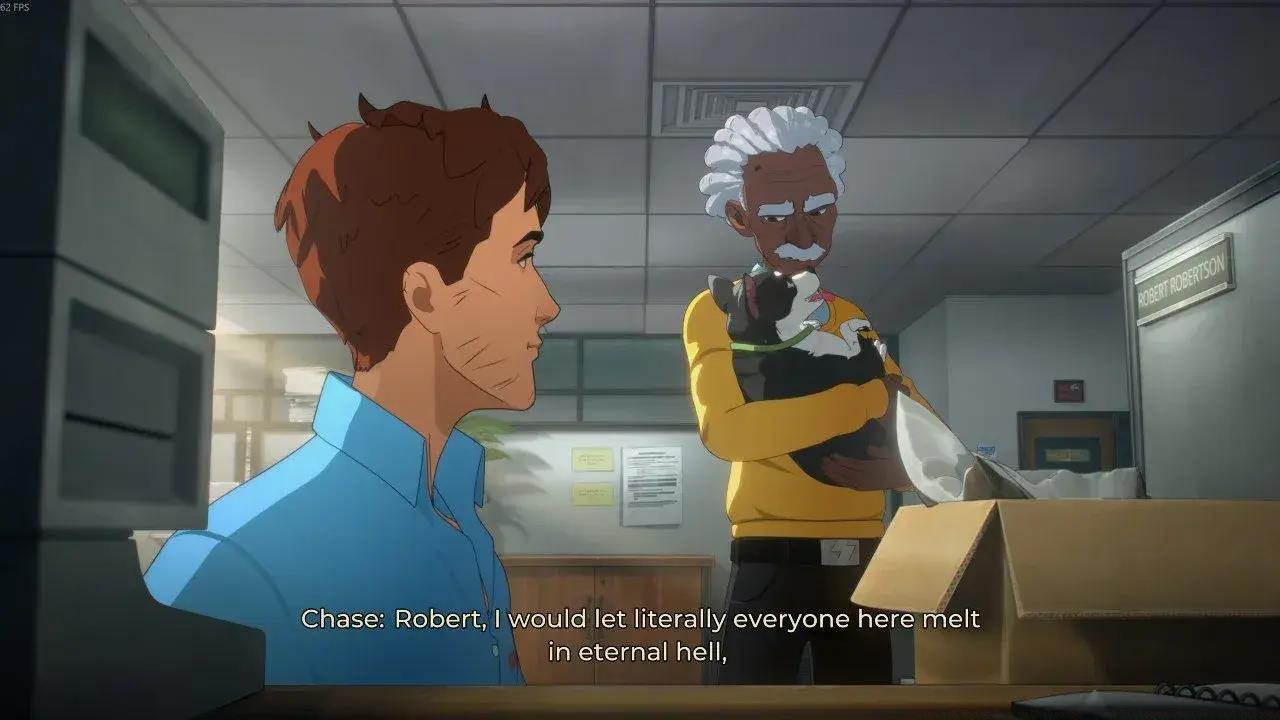
Navigate the opening conversations with strategic awareness of team morale dynamics. Your initial responses set the emotional tone for the entire episode and influence character availability for critical scenes.
The episode begins with immediate fallout from your Episode 3 team reduction decisions. Your remaining heroes express their reactions through either playful pranks or visible disappointment, establishing an atmosphere of tension that requires careful management. How you respond to these emotional displays directly impacts character loyalty and cooperation levels.
When Chase confronts you about the team’s prank reaction, your dialogue selection carries subtle but important implications:
Select responses that align with your established character personality and strategic goals. While these choices don’t trigger immediate major consequences, they establish relationship patterns that influence later critical decision availability. Pro tip: Consistent response patterns unlock additional dialogue options in Episode 5.
Dispatch Chapter 3 & 4 Advanced Strategy Analysis …
Execute the Blonde Blazer romance scene with precise timing and dialogue selection to maximize relationship development. This pivotal moment requires specific pre-conditions and careful interaction patterns.
The scene activation demands particular relationship thresholds with key characters and completion of specific side objectives from previous episodes. Failure to meet these requirements results in missed romantic opportunities that cannot be recovered in later gameplay. Advanced players should track relationship points throughout Episodes 2-3 to ensure scene availability.
Critical success factors include maintaining consistent interaction patterns, selecting complimentary dialogue options during previous emotional moments, and completing character-specific side missions. The scene’s outcome directly influences your final romance path options and determines which character storylines remain available for development.

Common mistake: Players often underestimate the importance of Episode 3’s seemingly minor choices, which actually determine Blonde Blazer scene accessibility. Ensure you’ve achieved at least 75% relationship progress with relevant characters before attempting this scene.
Manage Phenomaman’s emotional breakdown with strategic support decisions that balance team needs with character development. This crisis represents a turning point in team dynamics and individual character arcs.
The emotional trigger occurs after specific mission failures or relationship deteriorations that push Phenomaman beyond his coping threshold. Your response strategy should consider both immediate team stability and long-term character development trajectories. Different support approaches yield varying recovery times and future loyalty levels.
Effective crisis management involves recognizing emotional cues from previous interactions, providing appropriate support resources, and adjusting mission assignments to accommodate recovery periods. Advanced strategy: Use this crisis to strengthen team bonds through shared vulnerability, potentially increasing overall cohesion by 25-40% with proper handling.
Failure to adequately address Phenomaman’s crisis can result in permanent character withdrawal, reduced mission effectiveness, and negative impacts on other team members’ morale. Allocate sufficient time and resources for proper emotional support during this critical storyline.
Navigate the food fight scenario with awareness of its hidden relationship mechanics and team chemistry implications. This seemingly minor event actually carries significant weight in character bonding and future interaction patterns.
Your decision to participate, observe, or intervene in the food fight establishes social dynamics that influence team cohesion and individual character relationships. Participation increases casual bonding but may reduce professional respect, while observation maintains authority but decreases informal connection opportunities.
The optimal choice depends on your established leadership style and current team morale levels. Teams with low cohesion benefit from participatory engagement, while high-functioning teams may respond better to observational leadership. Strategic consideration: This decision affects availability for specific side missions in Episode 5 based on character relationship thresholds.
Advanced players should coordinate this decision with their overall romance and team composition strategy, as certain food fight outcomes can either enhance or hinder progress toward specific character storylines.
Execute your permanent team member selection with comprehensive analysis of skill synergies, personality compatibility, and long-term campaign requirements. This decision represents the most consequential choice of Episode 4.
Candidate evaluation should consider multiple dimensions including combat effectiveness, specialist abilities, relationship dynamics with existing team members, and narrative implications. Each potential recruit offers unique advantages and challenges that will shape your team’s capabilities throughout the remaining episodes.
Strategic considerations for optimal team composition:
The selection process directly impacts mission success rates, character interaction quality, and story progression options. Unlike temporary assignments in previous episodes, this choice creates permanent team dynamics that cannot be altered in subsequent gameplay.
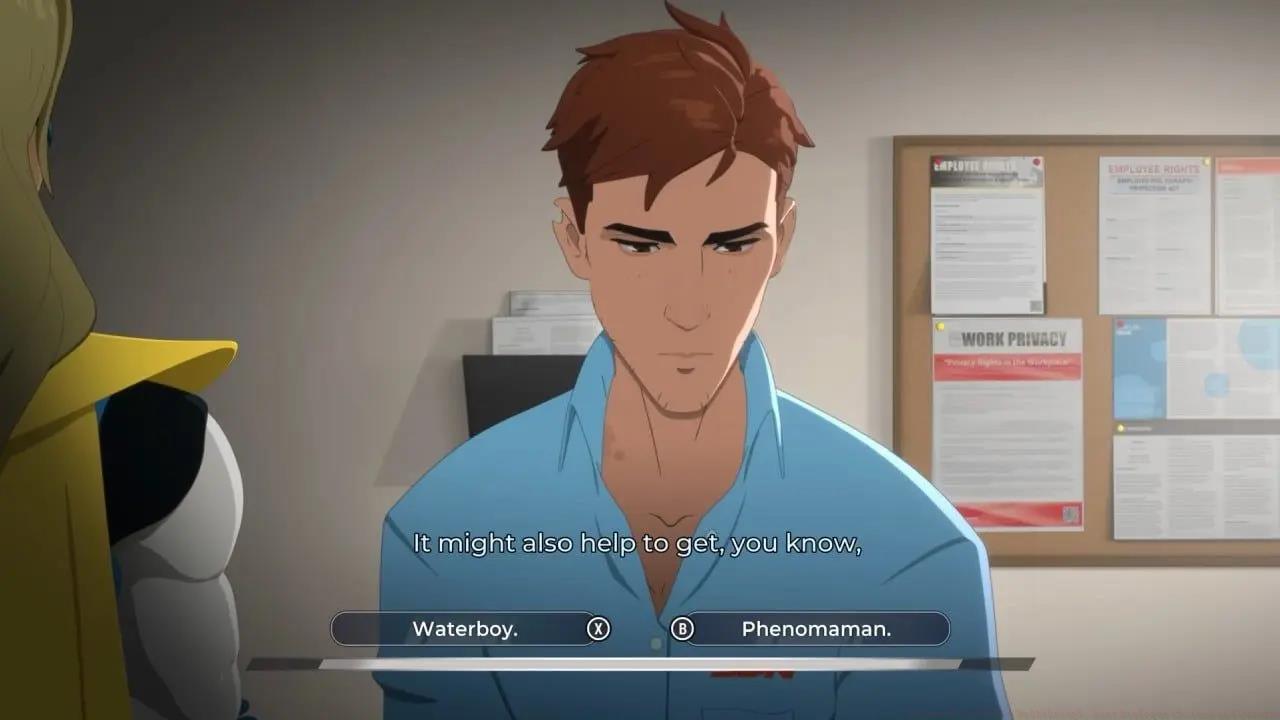
Pro tip: Create multiple save files before this decision to experiment with different team compositions and their long-term implications across several episodes.
Master understaffed mission execution through strategic resource allocation and priority management techniques. Episode 4 introduces challenging scenarios that test your team’s efficiency and adaptability.
Effective understaffed operation requires careful task prioritization, strategic ability usage, and optimized movement patterns. Focus on completing critical objectives first while managing limited resources and cooldown periods. Advanced players should develop contingency plans for unexpected complications during resource-intensive missions.
Key understaffed mission strategies:
These missions often serve as skill checks for your team composition decisions, revealing strengths and weaknesses in your current roster. Successful completion despite staffing limitations provides significant relationship boosts and unlocks additional dialogue options in future episodes.
Common mistake: Attempting to complete all optional objectives during understaffed missions often leads to critical failure. Focus on essential tasks and return for additional content in subsequent playthroughs.
Commit to your final romance path with understanding of the permanent narrative implications and achievement requirements. This decision locks your character into a specific relationship trajectory for the remainder of the game.
The romance path selection process involves evaluating accumulated relationship points, completed character-specific missions, and emotional connection development throughout previous episodes. Each available path offers unique story content, character development opportunities, and specialized achievements.
Path lock-in mechanics prevent relationship changes after this decision, making multiple playthroughs necessary for experiencing all romantic storylines. Advanced completionists should plan separate playthroughs focusing on different character paths to unlock all narrative content and associated achievements.
Strategic consideration: Your romance choice may influence team dynamics and mission availability in future episodes, as certain character combinations create unique interaction opportunities or potential conflicts. Coordinate your romance decision with your overall team composition strategy for optimal narrative coherence.
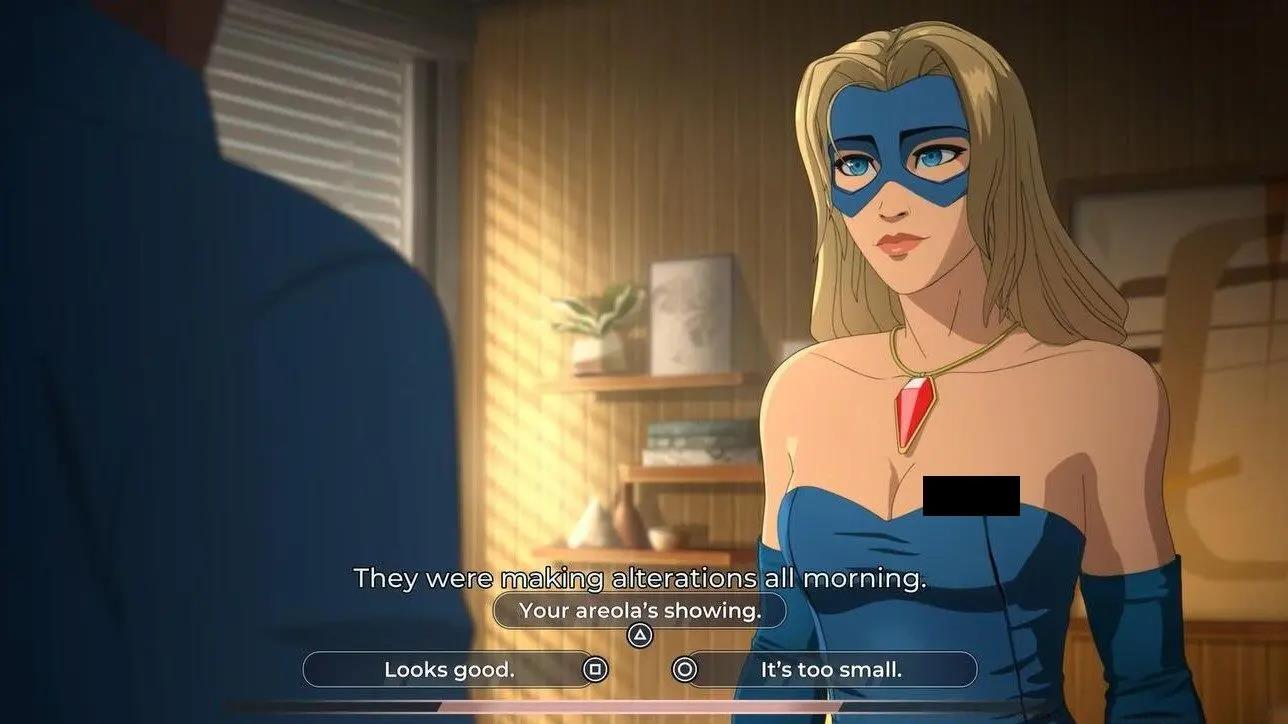
Analyze team reactions to your major decisions and implement damage control strategies where necessary. Episode 4’s consequences extend beyond immediate outcomes to shape future team dynamics and mission effectiveness.
Character responses to your team selection and romance decisions create relationship patterns that influence Episode 5 interactions and mission availability. Positive reactions typically unlock additional cooperative opportunities, while negative responses may require reconciliation efforts or alternative approach strategies.
Consequence management involves monitoring relationship status indicators, addressing character concerns through targeted interactions, and adjusting team assignments to minimize conflicts. Advanced players should track relationship metrics throughout the episode to anticipate and mitigate potential negative outcomes.
The episode concludes with clear setup for Episode 5’s narrative direction, establishing character arcs and team dynamics that will drive the next chapter’s storyline. Your decisions here determine which story branches remain active and which character development opportunities become available.
Pro tip: Use the relationship management systems from our Class Guide to optimize team interactions and minimize negative consequences from difficult decisions.
Optimize your Episode 5 preparation with strategic planning based on Episode 4 outcomes. Your decisions create specific narrative branches that require different preparation approaches for optimal Episode 5 performance.
Carry-over decisions from Episode 4 include team composition locks, romance path commitments, and relationship statuses that directly influence Episode 5’s available content. Understanding these connections allows for targeted skill development and resource allocation during the transition between episodes.
Skill development focus should align with your established team composition and anticipated Episode 5 challenges. Different team configurations benefit from specialized ability upgrades and equipment optimizations. Reference our comprehensive Weapons Unlock guide for equipment strategies that complement your team’s strengths.
Strategic readiness involves analyzing your current narrative position, relationship networks, and team capabilities to anticipate Episode 5’s requirements. Advanced preparation significantly reduces adjustment periods and maximizes mission effectiveness in the subsequent chapter.
Final recommendation: Complete all available side content and relationship-building opportunities before concluding Episode 4, as these often provide advantages in Episode 5’s opening sequences. Consult our Complete Guide for comprehensive campaign strategy across all episodes.
Action Checklist
- Create multiple save files before permanent team selection
- Verify relationship thresholds for Blonde Blazer scene accessibility
- Analyze team skill synergies before final member selection
- Coordinate romance path with overall team composition strategy
- Complete all side content before episode conclusion
No reproduction without permission:Tsp Game Club » Dispatch Episode 4 Walkthrough: Best Dialogue Choices and Outcome Master Episode 4's critical team selection, romance paths, and strategic decisions with expert guidance