
TL;DR
- Master the five core stats (Combat, Intellect, Charisma, Mobility, Vigor) that determine mission success rates
- Learn advanced stat optimization strategies for each hero type to maximize their specialized abilities
- Discover team synergy combinations that create powerful complementary effects between heroes
- Implement mission-matching techniques to deploy the right heroes for specific emergency types
- Utilize progression systems effectively to build heroes that excel in their designated roles
Unlock the complete strategic potential of all 8 Dispatch heroes through expert stat optimization, ability synergy development, and tactical deployment methodologies that transform your team into an elite emergency response unit.
Effective superhero dispatch management demands comprehensive understanding of each character’s distinctive capabilities and systematic development pathways. Commanding 8 uniquely specialized heroes requires precise alignment of the right character profiles with specific emergency scenarios while implementing strategic stat progression systems. This definitive guide provides exhaustive analysis of every hero’s capabilities, optimal development paths, and deployment frameworks to ensure mission dominance.
Your elite roster comprises 8 specialized operatives, each contributing distinct combat methodologies and supernatural capabilities to your tactical arsenal. Mastering their foundational statistics and power sets establishes the cornerstone of proficient team leadership and mission success.
The essential attribute framework centers around five pivotal characteristics that directly influence mission outcomes:
Always conduct thorough mission briefing analysis – emergency descriptions frequently indicate which attributes will prove most critical for achieving optimal results.
Starting Stats: Combat 4, Intellect 1, Charisma 2, Mobility 3, Vigor 2
Flambae dominates direct engagements through her pyrokinesis capabilities. Her On Fire tactical advantage renders her exceptionally lethal during successful mission sequences, acquiring +1 Combat and +1 Mobility following each triumph. However, this cumulative enhancement completely resets after any operational failure.
Optimal Build Strategy:
Combat-focused heroes excel in direct confrontation scenarios where brute force and tactical aggression determine success. These specialists thrive in high-intensity situations requiring immediate threat neutralization and physical dominance.
Flambae’s Advanced Mechanics: Beyond her basic fire abilities, experienced players should understand her momentum mechanics. The stacking bonus system creates exponential threat potential but demands careful risk assessment. Deploy her against numerically superior enemy forces where her area damage can trigger multiple consecutive victories.
Common Mistake: Many players overcommit Flambae to high-risk missions early game, resulting in reset momentum. Instead, build her confidence through smaller engagements first, then escalate to major threats.
Brawler-Type Optimization: These close-quarters specialists benefit from balanced Vigor and Combat investments. Their sustained damage output depends on survival capacity, making damage mitigation equally important as offensive capabilities.
Tank Role Specialization: Defensive combatants require strategic Vigor prioritization with supporting Combat development. Their role involves absorbing damage while controlling engagement spaces, making positioning and survival crucial tactical considerations.
Cerebral heroes provide strategic advantages through problem-solving capabilities, technological mastery, and analytical precision. These operatives excel in scenarios requiring intelligence gathering, technical intervention, and complex situation resolution.
Tech Genius Applications: Intellectual specialists manipulate battlefield conditions through technological superiority and environmental control. Their abilities often provide force multiplication effects that enhance entire team performance in specific mission types.
Strategic Planning Benefits: High-Intellect heroes can predict enemy movements, analyze weakness patterns, and develop counter-strategies that preemptively neutralize threats. Their value extends beyond immediate combat to long-term mission success probability enhancement.
Puzzle Mission Dominance: Certain emergency scenarios require sophisticated problem-solving rather than direct confrontation. Intellectual powerhouses automatically gain advantage in these situations, often resolving crises without physical engagement through superior cognitive capabilities.
Advanced Tip: Pair intellectual heroes with mobile scouts to gather intelligence before committing your main force. This reconnaissance strategy significantly improves mission success rates for complex operations.
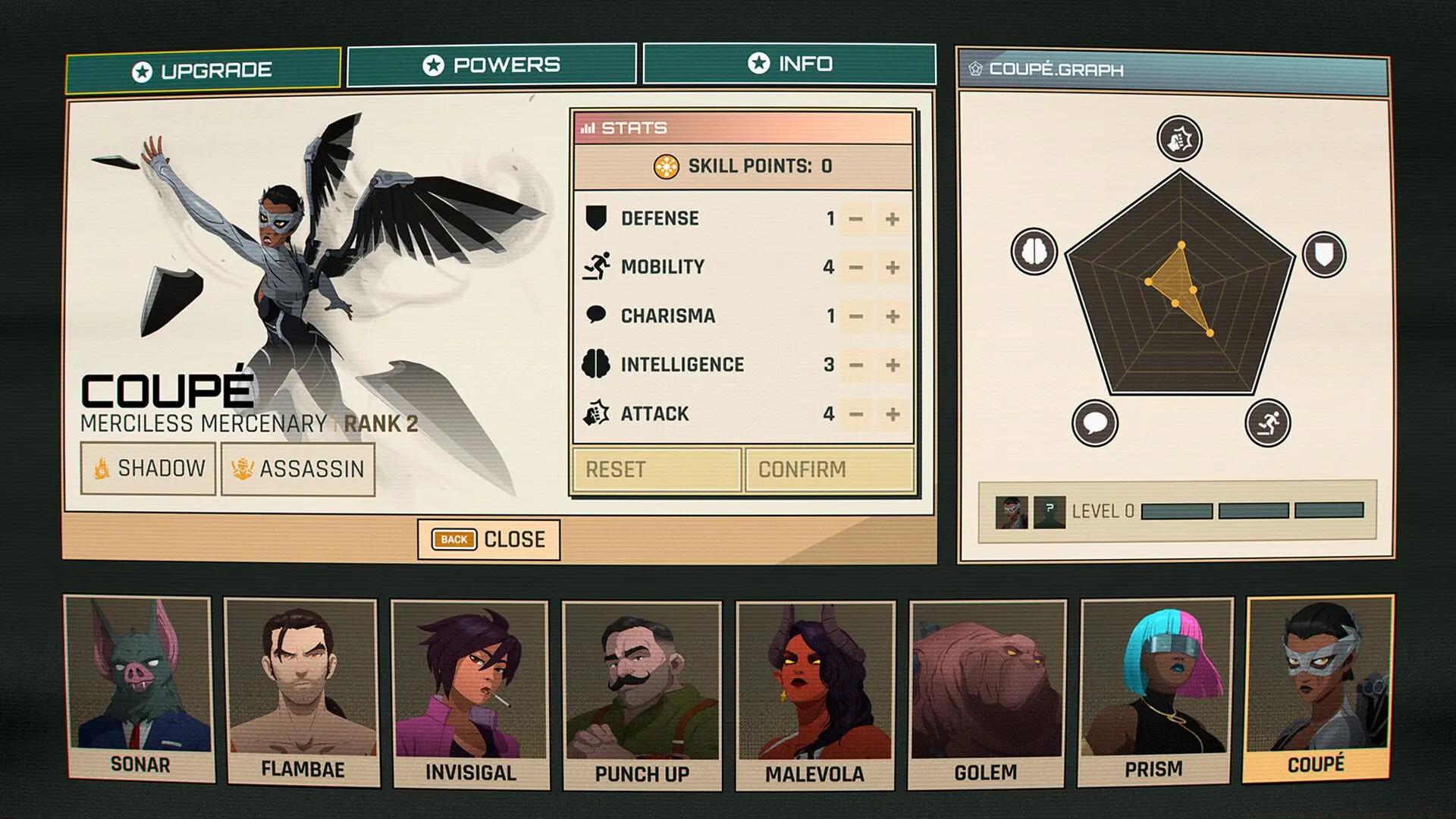
Support specialists provide essential team sustainability through healing, buffs, debuffs, and situational control. These heroes may not deliver peak damage output but dramatically enhance overall team resilience and operational longevity.
Healing Specialist Usage: Medical operatives require careful positioning and protection strategies. Their value increases exponentially during extended engagements where sustained damage would otherwise overwhelm your team. Prioritize their safety through strategic deployment behind front-line combatants.
Crowd Control Applications: Control specialists manipulate enemy movements and actions, creating tactical advantages for your damage dealers. Their abilities often determine engagement initiation timing and battlefield flow control.
Mission Preparation Strategies: Support heroes benefit from pre-mission intelligence that identifies specific threats requiring their specialized counters. Deploy them proactively rather than reactively to maximize their impact on mission outcomes.
Common Mistake: Underestimating Charisma’s importance for support heroes. This stat frequently determines their ability effectiveness in diplomatic scenarios and team coordination efficiency.
For comprehensive team building strategies, consult our Class Guide that details optimal hero combinations and role distributions.
Elite dispatch management requires understanding nuanced hero interactions and specialized ability applications that transcend basic stat optimization. Advanced players leverage unique synergies and counter-picking strategies to dominate diverse emergency scenarios.
Unique Ability Synergies: Certain hero combinations create emergent tactical advantages. For example, area control specialists paired with high-mobility damage dealers can isolate and eliminate priority targets with surgical precision.
Counter-Picking Strategies: Mission intelligence should directly influence your hero selection. Specific enemy types and scenario conditions heavily favor certain hero profiles while penalizing others. Develop counter-picking protocols based on threat analysis rather than personal preference.
Emergency Response Planning: Create specialized response teams for common emergency archetypes. Designated squads with pre-established synergies respond more efficiently than ad-hoc compositions, reducing deployment decision time while increasing success probability.
Advanced Tactics: Master ability rotation timing to maintain continuous pressure during extended engagements. Proper sequencing prevents enemy recovery windows and maximizes your team’s operational tempo.
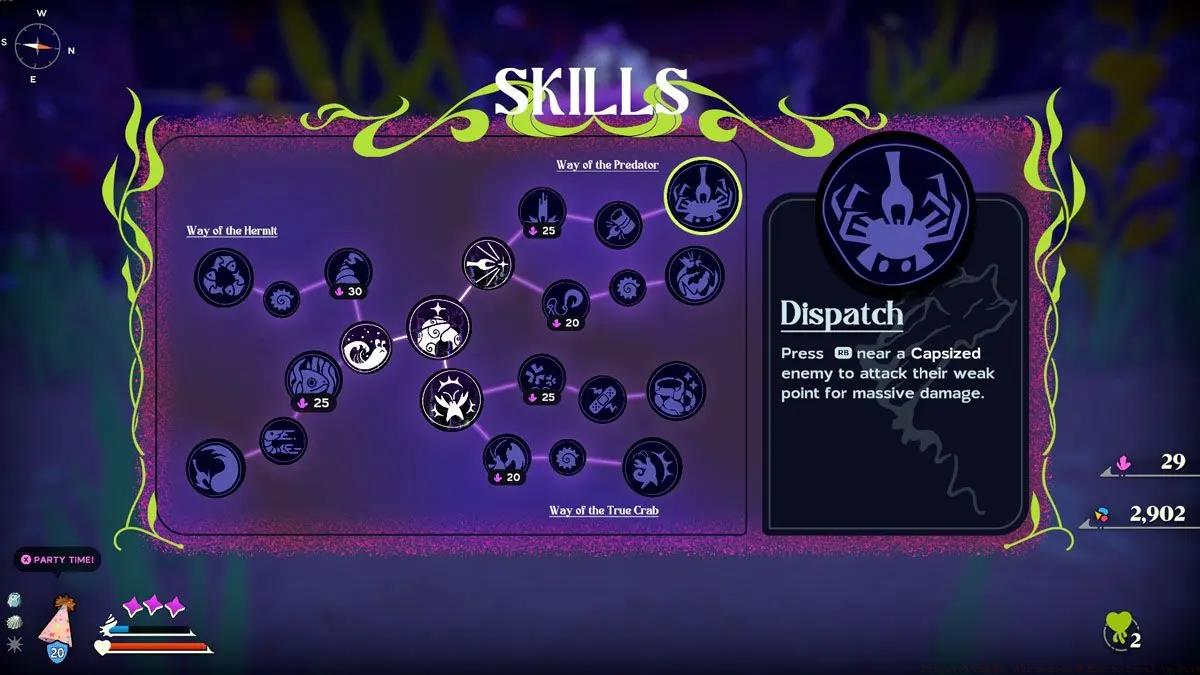
Strategic hero development requires understanding stat interdependence, ability upgrade priorities, and resource allocation efficiency. Advanced progression systems separate elite dispatchers from casual players through optimized development pathways.
Stat Priority Optimization: Each hero archetype benefits from specific stat progression sequences. Combat specialists typically prioritize primary damage stats followed by survivability, while support heroes may value utility stats that enhance team-wide benefits.
Ability Upgrade Paths: Not all ability enhancements provide equal value. Identify core competencies for each hero and prioritize upgrades that amplify their specialized roles rather than diversifying into secondary capabilities.
Resource Management Tactics: Development resources represent strategic investments with opportunity costs. Allocate enhancement materials to heroes based on their current mission relevance and long-term roster value rather than spreading resources thinly across your entire team.
Progression Timing: Different game phases benefit from different development focuses. Early game typically rewards specialized dominance in specific mission types, while late game demands broader capability coverage across diverse emergency scenarios.
For weapon optimization strategies that complement your hero development, explore our Weapons Unlock guide covering equipment progression systems.
Optimal hero deployment requires sophisticated mission analysis, risk assessment, and strategic resource allocation. Master dispatchers match hero capabilities to mission requirements with surgical precision, maximizing success probabilities while minimizing resource expenditure.
Hero-Mission Matching: Develop systematic evaluation frameworks that assess mission parameters against hero capabilities. Consider not only primary stat requirements but also secondary ability applications that might provide unexpected advantages.
Risk Assessment Framework: Evaluate missions based on potential reward versus failure consequences. High-risk operations may justify deploying your most powerful heroes, while lower-stakes scenarios provide development opportunities for secondary team members.
Deployment Timing Strategies: Hero availability management represents a critical strategic layer. Avoid exhausting your premier operatives on minor emergencies, maintaining reserve capacity for unexpected major crises that demand specialized response capabilities.
Advanced Technique: Create hero pairing combinations that cover each other’s weaknesses while amplifying strengths. Complementary teams often achieve superior results compared to individual superstar deployments.
For comprehensive strategic frameworks covering all aspects of gameplay, reference our Complete Guide to Battlefield 6 mechanics and meta-strategies.
Pro Tip: Maintain detailed mission success records for each hero to identify unexpected capability patterns. Sometimes heroes excel in scenarios that don’t obviously match their stat profiles.
Action Checklist
- Analyze each hero’s core stat priorities and specialization strengths
- Create specialized response teams for common emergency archetypes
- Develop hero upgrade priority lists based on mission frequency and importance
- Implement mission assessment protocols that match hero capabilities to scenario requirements
- Establish hero rotation systems to maintain operational readiness for major emergencies
No reproduction without permission:Tsp Game Club » Dispatch Guide: All Heroes & How to Level Up Fast Master all 8 Dispatch heroes with advanced stat optimization, team synergy tactics, and mission deployment strategies