
Decoding Doom The Dark Ages’ epic conclusion: Slayer’s journey, lore connections, and expert gameplay insights
Introduction: The Techno-Medieval Epic
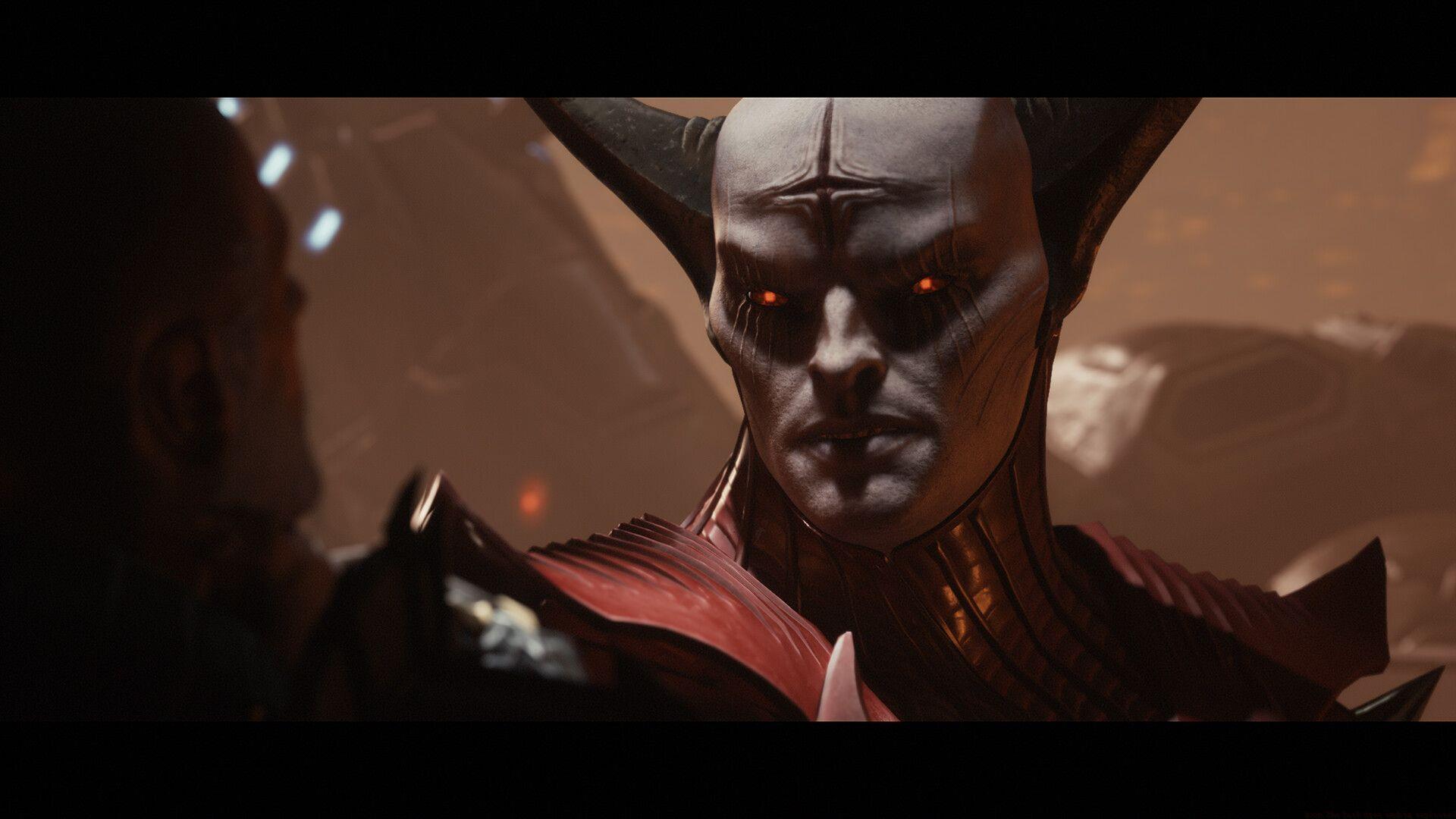
Doom The Dark Ages has launched to widespread acclaim, captivating players with its unique fusion of brutal combat and medieval fantasy aesthetics. The game’s narrative depth significantly enhances the experience, making comprehension of its conclusion particularly rewarding for dedicated fans.
Pro Tip: Pay close attention to environmental storytelling throughout your playthrough – the architecture and artifacts provide crucial context for understanding the ending’s significance.
The Slayer’s Journey: From Control to Freedom
At the narrative’s outset, the Doom Slayer operates under the direct manipulation of the Maykrs, advanced entities employing a sophisticated neural control apparatus known as the Tether. This device effectively suppresses his autonomous will, turning him into their instrument.
The pivotal liberation occurs when players confront and overcome The Old One, a monstrous entity whose defeat disrupts the Tether’s influence. This emancipation represents more than mere gameplay progression – it symbolizes the Slayer’s reclamation of agency.
Common Mistake: Many players underestimate The Old One’s pattern-based attacks. Focus on environmental cues rather than direct confrontation to conserve ammunition for later battles.
Prince Ahzrak’s Campaign for Power
As hostilities intensify against the Sentinel forces, Prince Ahzrak emerges as Hell’s supreme commander and the game’s ultimate antagonist. His primary objective revolves around securing the Heart of Argent, an artifact of immense destructive capability.
Ahzrak uncovers the critical revelation that the Heart’s authentic power reservoir resides within Commander Thira, who harbors the essence of a Wraith entity. Following Kreed Maykr’s treacherous alliance with Hell forces, Ahzrak successfully captures Thira and initiates the process of harvesting her spiritual energy to amplify the Heart’s potency.
Advanced Insight: The Wraith soul mechanics mirror earlier Doom lore elements, creating narrative consistency across the franchise timeline while introducing fresh mythological elements.
Key Battles and Betrayals
The confrontation sequence begins with engaging Kreed Maykr immediately following his shocking defection. Overcoming this traitor sets the stage for the primary engagement against Prince Ahzrak himself.
This boss encounter demands repeated victories against the hellish prince, with each phase introducing increasingly complex attack patterns and environmental hazards. The climatic sequence culminates in Thira’s soul being liberated, dramatically undermining Hell’s strategic advantage while hinting at Ahzrak’s persistent survival.
The narrative then transports players into the Hell dimension for the ultimate confrontation, pitting them simultaneously against both Prince Ahzrak and the mysterious Witch entity. Their defeat triggers the game’s concluding cinematic sequence.
Combat Strategy: During the Ahzrak multiphase battle, prioritize mobility over aggression. His attack patterns become predictable after three cycles – use this knowledge to plan your weapon rotations effectively.
The Epic Conclusion and Aftermath
The final cinematic presents a harrowing scenario where Commander Thira and her Sentinel squad face imminent annihilation against overwhelming demonic forces. As they execute a tactical withdrawal, the Doom Slayer makes a dramatic intervention by hurling Ahzrak’s severed head from an elevated position, decisively concluding the conflict.
In the conflict’s wake, the Maykr collective formally renounces Kreed Maykr’s renegade actions, though the consequences of his betrayal remain irreversible. Thira advocates for Sentinel self-reliance moving forward, while the Doom Slayer achieves complete autonomy yet remains discontented.
His acquisition of Kreed’s vessel establishes the foundation for his solitary crusade against Hell’s forces, directly connecting to the events of Doom (2016).
Narrative Foreshadowing: The Slayer’s dissatisfaction and solo mission perfectly align with his characterization in later timeline entries, demonstrating meticulous narrative planning.
Lore Connections and Timeline Placement
This comprehensive coverage elucidates Doom The Dark Ages’ concluding narrative elements. Important clarification: the coffin reference frequently discussed among fans doesn’t feature in this ending, as the game functions as a series prequel.
The Doom Slayer’s coffin appearance occurs exclusively in The Ancient Gods: Part Two expansion for Doom Eternal, situated later in the canonical timeline.
Timeline Optimization: For maximum narrative comprehension, consider playing Doom (2016) immediately following this game to appreciate the direct storyline connections and character development continuity.
Explore related content:
- Complete collectible guide for Doom The Dark Ages toy locations
- Comprehensive timeline analysis for Doom The Dark Ages placement
- Xbox Game Pass availability details for Doom The Dark Ages
No reproduction without permission:Tsp Game Club » Doom The Dark Ages ending explained Decoding Doom The Dark Ages' epic conclusion: Slayer's journey, lore connections, and expert gameplay insights