
A strategic analysis of Dota 2 patch 7.39’s biggest losers, featuring hero-specific tactics and gameplay adaptations.
Introduction: The 7.39 Balance Shakeup
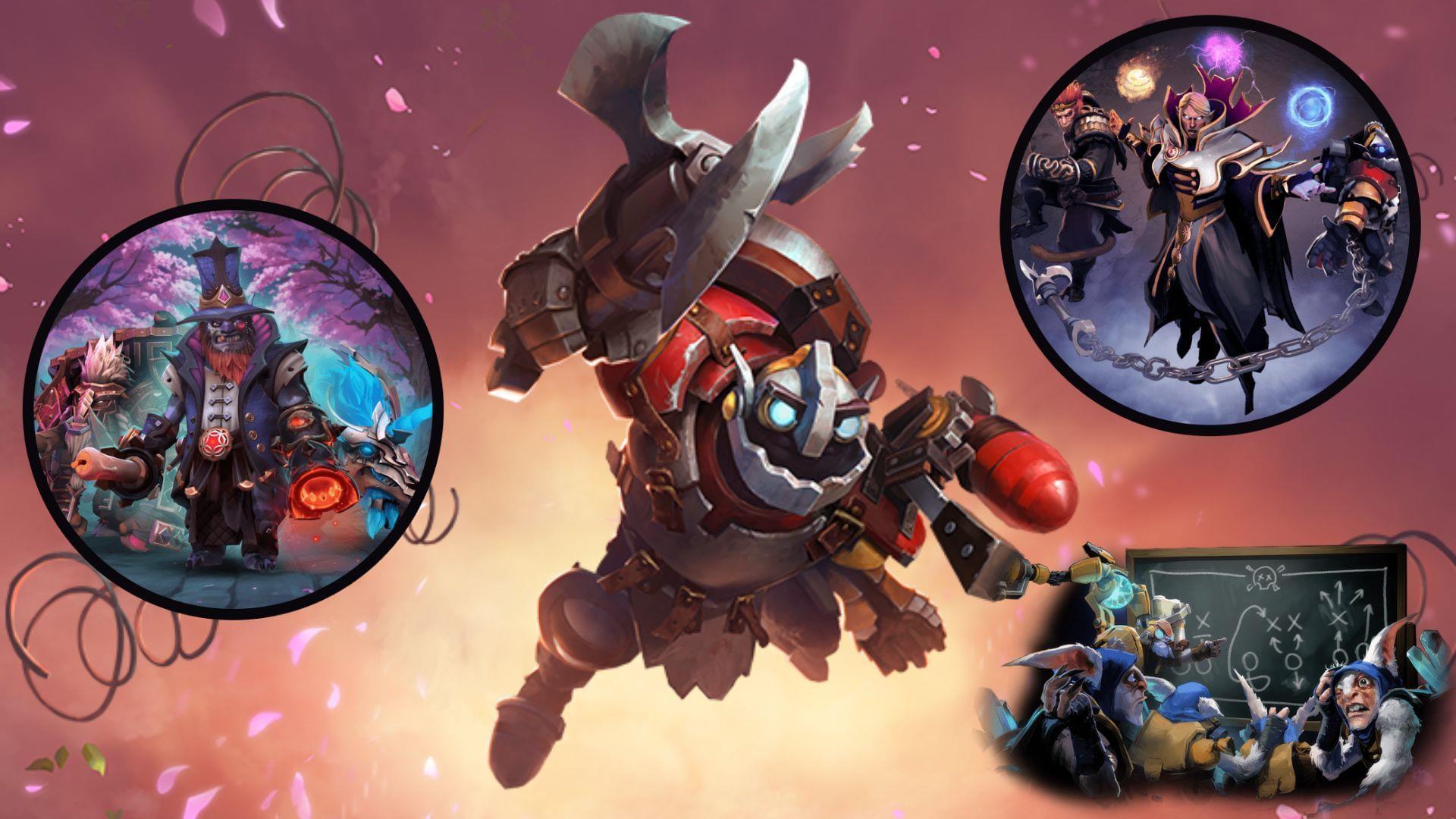
The Dota 2 7.39 gameplay update arrived during DreamLeague Season 26, introducing the “Spring Forward” patch that continues Valve’s systematic refinement of game mechanics. This iteration further evolves the Facet system, Innate Abilities, and Neutral Item ecosystem while introducing several new gameplay elements. Beyond surface-level changes, this patch deliberately targets specific heroes who had become overly dominant, creating space for previously underutilized picks to emerge.
Strategic Insight: Successful adaptation to patch 7.39 requires understanding not just what changed, but why certain heroes were targeted. Valve’s balancing philosophy here appears focused on reducing “must-pick” heroes and encouraging more diverse team compositions. Players who quickly grasp these shifts gain significant drafting advantages.
Kez: The Fall of a Burst Damage Titan
Kez’s journey since his introduction has been one of consistent power reduction, and patch 7.39 delivers another significant blow to his burst damage potential. The hero now operates with substantially reduced critical strike bonuses during invisibility, directly impacting his ability to eliminate key targets in team fights. While buff duration received minor improvements, this doesn’t compensate for the core damage reduction that defined his playstyle.
Practical Tip: Kez players should now focus on sustained damage builds rather than burst-oriented items. Consider transitioning to attack speed and survivability items like Satanic or Skadi instead of pure damage options like Daedalus. The reduced critical multiplier means you’ll need to survive longer in fights to achieve similar impact.
Switch Discipline’s shift from flat damage to agility scaling fundamentally changes his itemization priorities. Grappling Claw losing lifesteal removes crucial sustainability, and Kazurai Katana’s altered damage-over-time effect reduces his lane harassment potency. These cumulative changes force Kez into a more measured, strategic role rather than the overwhelming force he represented at launch.
Common Mistake: Continuing to play Kez as a pure assassin will lead to disappointing results. Instead, position him as a secondary damage dealer who capitalizes on longer engagements. His reduced threat level means opponents will focus less on him initially, creating opportunities for strategic positioning.
Also Check: Dota 2 2025 Roster Shuffle
Invoker: The Scepter Nerf and Its Ramifications
Invoker’s signature versatility suffers multiple targeted strikes in patch 7.39, with the Aghanim’s Scepter changes representing the most significant power reduction. The removal of additional orb levels from scepter purchase delays Invoker’s power spike and reduces his late-game scaling potential. This adjustment specifically targets the hero’s ability to dominate both early and late game phases simultaneously.
Optimization Tip: With the scepter timing pushed back, Invoker players should consider alternative itemization paths. An early Kaya into Eul’s Scepter provides similar mana efficiency and setup potential without relying on the delayed scepter powerspike. This build path maintains lane presence while adapting to the nerfed timing windows.
The loss of Chaos Meteor’s size and travel distance buffs reduces Invoker’s wave clear efficiency and team fight area denial. Combined with Cold Snap no longer restoring HP/mana and Alacrity losing bonus attack range, the hero’s laning sustainability and ganking flexibility suffer substantially. These changes collectively push Invoker toward more conservative, spell-conservation playstyles.
Strategic Adjustment: Cataclysm’s cooldown increase from 75 to 90 seconds reduces Invoker’s global pressure frequency. Players must now be more selective with ultimate usage, reserving it for objective-taking scenarios rather than routine pickoffs. This change particularly impacts the Agent of Gallaron Facet’s effectiveness for split-push strategies.
Ringmaster: Early Game Vulnerabilities Exposed
Ringmaster’s subtle but impactful nerfs in 7.39 collectively weaken his early game presence and comeback potential. The most significant change eliminates his ability to gain Souvenirs from neutral creep deaths, removing a previously reliable method for recovering from difficult lane situations. This adjustment specifically targets players who relied on risky jungle escapes to mitigate poor laning outcomes.
Practical Tip: With level 1 Escape Act providing zero bonus movement speed, Ringmaster players must now prioritize safer positioning during the first few minutes. Consider starting with additional regeneration items rather than greedy stat builds, as you’ll have less escape capability during early skirmishes.
Impalement Arts’ impact damage reduction from 75 to 50 requires more precise timing to secure kills. This change particularly affects last-hitting under tower and early harassment trades. While the maximum health loss reduction provides some sustainability benefits, it doesn’t compensate for the reduced kill threat.
Common Mistake: Attempting the same aggressive camp-blocking strategies that worked pre-7.39 will now backfire spectacularly. Without the Souvenir safety net, dying to neutral camps creates an unrecoverable disadvantage. Adjust your early game mindset from high-risk-high-reward to consistent, sustainable lane presence.
Advanced Optimization: The mana cost increase to 120 demands more careful resource management. Consider early mana regeneration items like Sage’s Mask or Null Talisman to maintain spell-casting frequency despite the increased cost.
Meta Implications and Drafting Considerations
Patch 7.39’s targeted nerfs create specific drafting opportunities and counter-pick advantages. Understanding which heroes lost power allows strategic players to capitalize on newly created weaknesses in the meta landscape.
Drafting Strategy: The reduction in Kez’s burst damage makes durable frontliners more valuable against him. Heroes like Centaur Warrunner or Underlord who can survive his initial burst now counter him more effectively. Similarly, Invoker’s nerfed scepter timing creates windows where faster-paced heroes can dominate the mid-game before he comes online.
Lane Matchup Adjustments: Ringmaster’s weakened early game means aggressive lane duos can now pressure him more effectively. Consider pairing strong early-game heroes like Skywrath Mage or Undying with your carry to exploit his reduced escape capabilities during the crucial first levels.
Itemization Shifts: Across all nerfed heroes, item build priorities must adapt. Less emphasis on timing-specific items (like Aghanim’s Scepter on Invoker) and more focus on consistent, stat-efficient items will yield better results in the current patch.
Despite these significant nerfs, several heroes maintain their power levels and have solidified positions in the current meta. The key to post-7.39 success lies in recognizing which heroes lost their edge and adjusting your playstyle accordingly.
That concludes our analysis of Dota 2 7.39’s most impacted heroes. Share your experiences adapting to these changes in the comments section below.
No reproduction without permission:Tsp Game Club » Dota 2 7.39: All winners and losers A strategic analysis of Dota 2 patch 7.39's biggest losers, featuring hero-specific tactics and gameplay adaptations.