
TL;DR
- Hagga Basin serves as temporary starter base near Griffin’s Reach with copper and granite access
- Western Vermillius Gap offers comprehensive resource farming with iron, copper, and enemy camps
- Jabal Eifrit Al-Janub provides carbon-rich territory ideal for guild operations
- Strategic positioning reduces travel time and maximizes resource collection efficiency
- Base location decisions significantly impact mid-to-late game progression and survival
Base construction represents a core survival mechanic in Dune Awakening, blending MMORPG progression with survival game intensity. Your settlement positioning directly influences resource acquisition rates, defensive capabilities, and overall gameplay enjoyment. Selecting suboptimal locations can transform your Arrakis experience into constant struggle, while strategic placement accelerates progression dramatically.
The planet’s diverse regions each contain unique material deposits and environmental challenges. Certain zones provide exceptional building opportunities, while others introduce unnecessary complications to your survival strategy. Understanding these territorial advantages enables you to secure premium real estate before competitors claim the best spots.
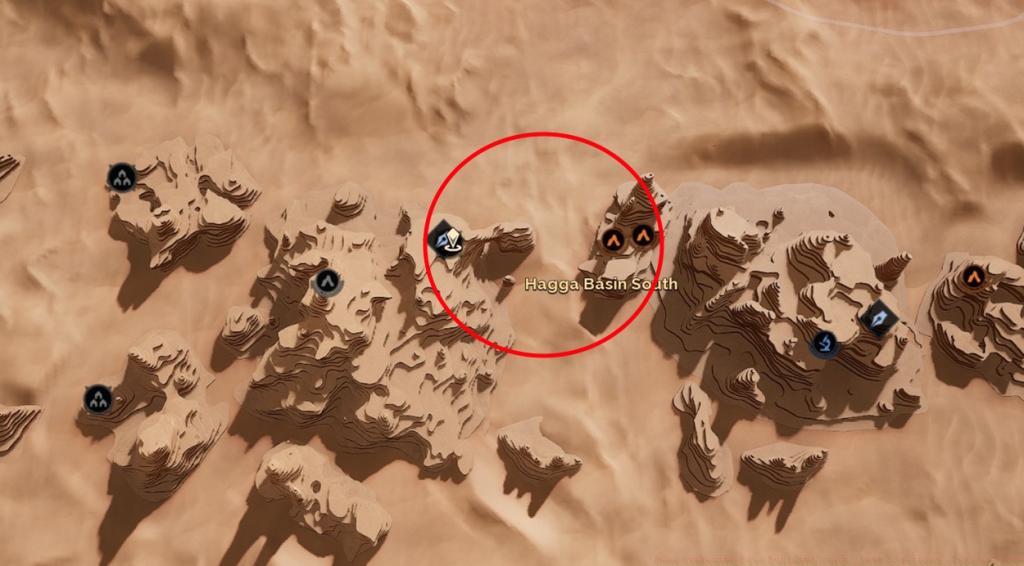
Hagga Basin functions as your initial landing zone when beginning Dune Awakening. This tutorial area introduces fundamental base-building mechanics before you advance to more challenging territories. Establishing extensive infrastructure here proves inefficient since you’ll soon transition to Vermillius Gap. Instead, construct minimal operational facilities to complete introductory objectives.
The optimal Hagga Basin base location positions you adjacent to Griffin’s Reach Tradepost. Frequent visits to this trading hub make proximity exceptionally valuable. The surrounding terrain contains abundant Copper and Granite nodes, providing essential early-game construction materials. Nearby hostile encampments offer consistent blood extraction opportunities for water conversion.
Common Mistake: New players often over-invest in Hagga Basin bases, wasting resources that would be better utilized in later zones. Limit your investment to basic shelter and storage, preparing for imminent relocation.
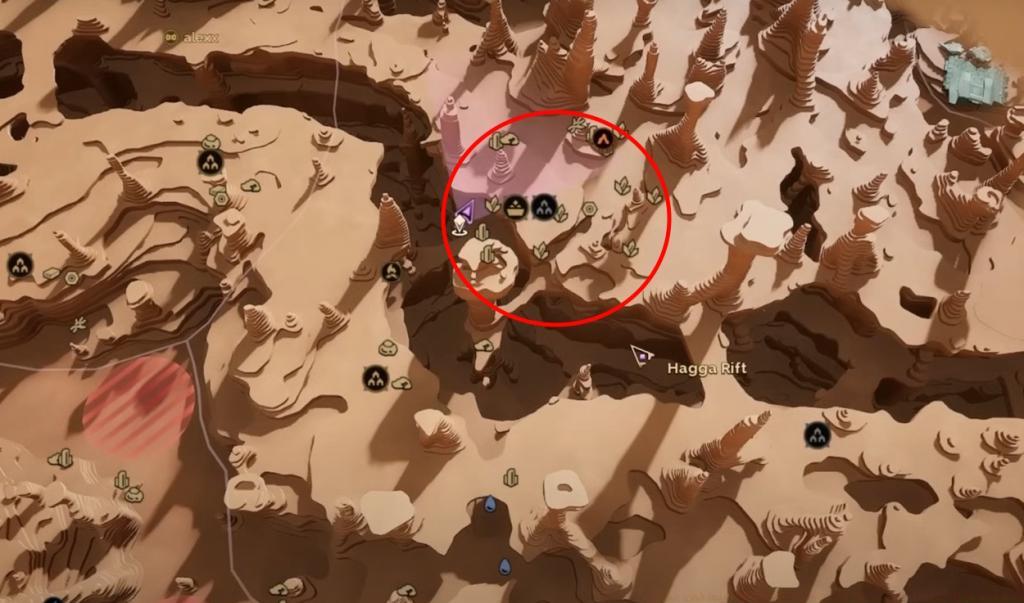
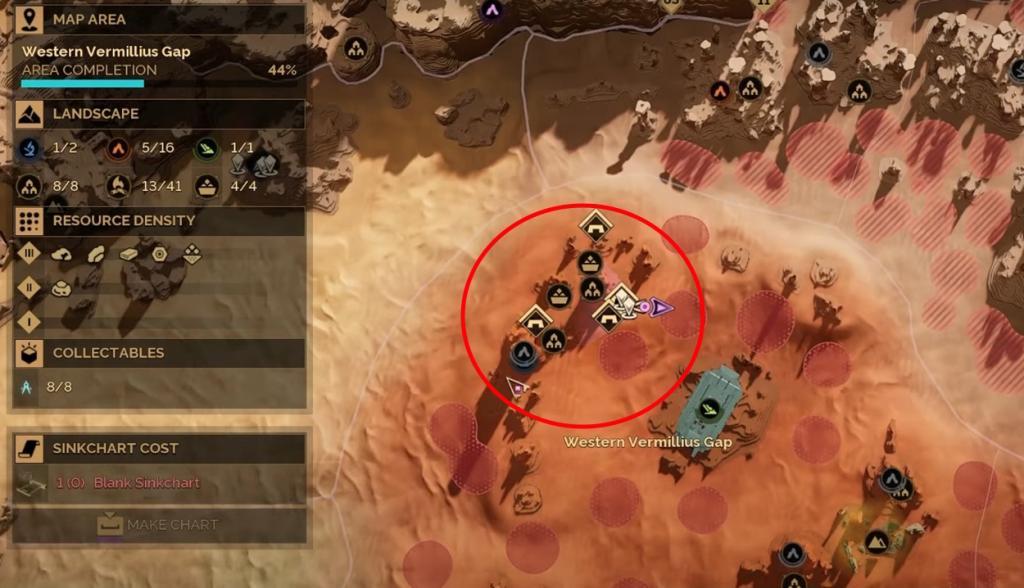
Completing Hagga Basin objectives unlocks access to Vermillius Gap, where Dune Awakening’s core gameplay emerges. This region divides into distinct Western and Eastern sectors with markedly different resource distributions. The Western Vermillius Gap, particularly its northern perimeter bordering Jabal Eifrit Al-Janub and Mysa Taril, offers superior building opportunities.
This territory serves as a comprehensive resource repository containing Iron, Copper, and Granite deposits in concentrated quantities. Approximately 4-5 enemy camps within close proximity enable efficient blood farming operations. Additional wreckage sites and fortified positions contain rare materials for advanced crafting.
The strategic advantage of Western Vermillius Gap lies in its direct accessibility to adjacent regions without sand trap obstructions. This geographical advantage permits harvesting carbon and premium ores from Jabal Eifrit Al-Janub and Mysa Taril without requiring base relocation. For comprehensive gameplay strategies, consult our Complete Guide for similar strategic principles.
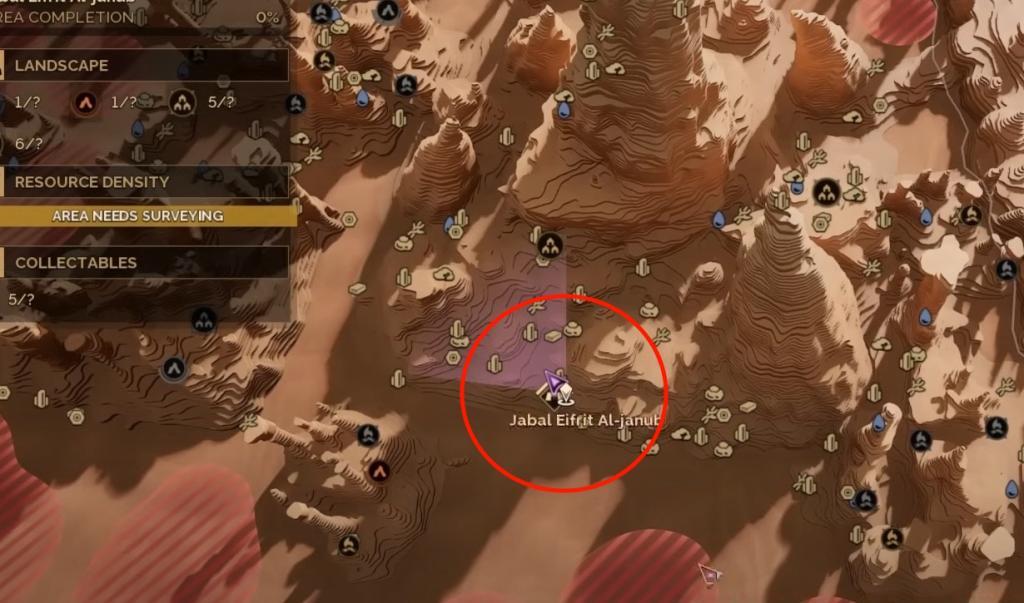
For players seeking concentrated Carbon and Copper deposits, the western sector of Jabal Eifrit Al-Janub, north of Western Vermillius Gap, delivers exceptional resource density. This area contains diverse natural wealth ideally suited for guild operations requiring massive material stockpiling.
The region provides outstanding farming potential for Carbon, Copper, Granite, and Water resources. However, solo adventurers should maintain their Western Vermillius Gap operations, which offer broader material variety without demanding additional personnel. Like mastering Weapons Unlock systems in other games, resource management here requires careful planning.
Guild Strategy: Large organizations can establish satellite bases here specifically for carbon harvesting, while maintaining primary headquarters in more versatile locations. The terrain supports expansive construction projects suitable for multiple players coordinating resource collection.
Solo Player Recommendation: Individual operators achieve better results remaining in Western Vermillius Gap, accessing comparable resources without expansion demands. Understanding your playstyle is as crucial as knowing Class Guide principles for optimal performance.
Defensive Positioning: Always situate your base with natural barriers against sandstorms and enemy raids. Elevated positions provide visibility advantages while making assault more challenging for opponents.
Resource Route Optimization: Map frequently traveled paths between your base, resource nodes, and trading posts. Minimizing transit time significantly increases hourly resource yield.
Expansion Timing: Delay major base investments until reaching Western Vermillius Gap. The initial Hagga Basin phase should focus on learning mechanics rather than permanent construction.
Common Pitfall: Many players underestimate water requirements when scaling operations. Ensure your location provides consistent blood farming opportunities or alternative water sources.
Pro Tip: Establish small outposts near rich resource clusters rather than attempting to cover vast territories from a single headquarters.
Action Checklist
- Establish minimal base near Griffin’s Reach Tradepost in Hagga Basin
- Focus on copper and granite collection while learning core mechanics
- Transition to Western Vermillius Gap for permanent base construction
- Establish resource farming routes connecting base to enemy camps and mineral nodes
- For guild operations, deploy satellite base in Jabal Eifrit Al-Janub for carbon specialization
No reproduction without permission:Tsp Game Club » Dune Awakening Base Building Guide: Best Locations, Tips and More Strategic base location guide for Dune Awakening with resource optimization and survival tactics