
TL;DR
- Death penalties vary dramatically based on cause: PvE/PvP deaths allow gear recovery, while environmental deaths cause permanent loss
- Master the ‘Down But Not Out’ system – water reserves enable self-revives, teammates can rescue you during this window
- Always monitor Landsraad decree status – when active, opponents can loot your equipped weapons and armor in PvP
- Environmental threats like sandworms and Coriolis storms destroy ALL items including vehicles – prioritize evasion
- Strategic respawn point selection and gear distribution significantly impact survival efficiency
Dune Awakening immerses players in Frank Herbert’s legendary sci-fi universe as a groundbreaking MMORPG experience. You’ll navigate the treacherous sands of Arrakis while engaging with Fremen culture and managing core survival mechanics. The game blends traditional MMORPG elements like resource gathering and crafting with intense PvPvE combat scenarios that test your strategic thinking.
Seasoned Dune enthusiasts understand this universe presents relentless dangers at every turn. Beyond hostile creatures and enemy factions, the planet itself conspires against you with scorching heat and massive environmental threats. This harsh reality raises the critical question: what are the actual consequences when your character meets their demise? For players seeking comprehensive survival intelligence, here’s an in-depth breakdown of Dune Awakening’s death penalty system and how to minimize losses.
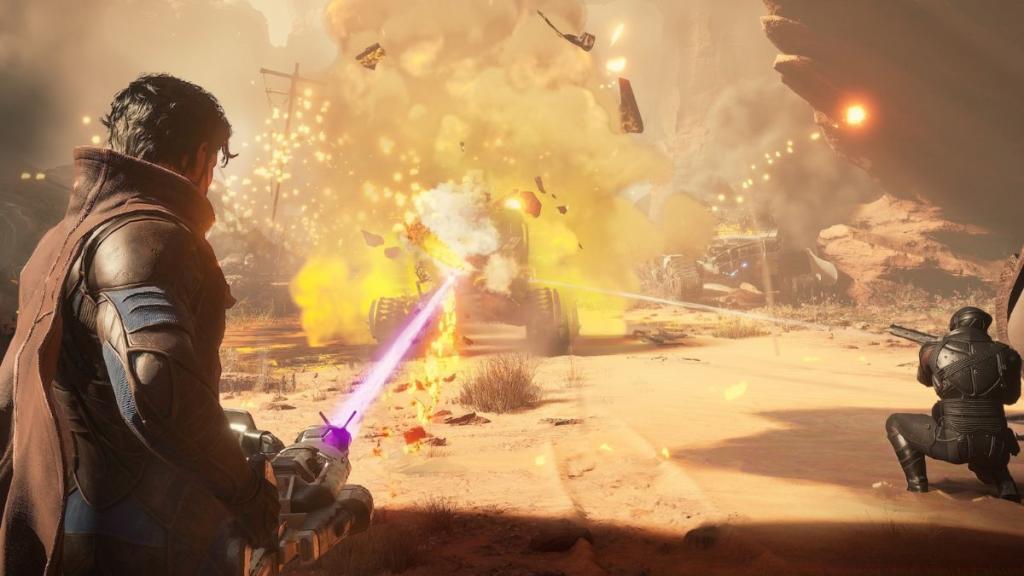
The mortality system in Dune Awakening operates on context-sensitive rules that change based on your demise circumstances. The crucial distinction across all death types revolves around gear handling protocols. Under certain conditions, you can retrieve possessions by returning to your death location, while other scenarios result in irrevocable loss of backpack contents including Solari currency, Spice reserves, crafting components, and ammunition supplies.
Regardless of how you perish, the respawn system provides multiple revival points: your established base, proximity to your abandoned vehicle, activated respawn beacon locations, or designated checkpoint markers during quests or dungeon exploration. This flexibility ensures you can quickly re-engage with gameplay after most deaths.
When sustaining lethal damage from player adversaries or AI-controlled enemies, you first enter the ‘Down But Not Out‘ (DBNO) state. This critical window allows squad members to perform emergency revives, and with sufficient water stockpiles, you can even execute self-revivals to avoid full death. Understanding this mechanic’s timing is essential – typically lasting 15-30 seconds based on environmental factors.
Should the DBNO period expire against AI opponents, your currently equipped gear remains intact upon respawn. However, all backpack inventory drops at your death site marked by a distinctive skull icon. This visual indicator enables retrieval missions back to the location, though delayed returns risk other players discovering your loot cache.
In player-versus-player fatalities, your killer gains access to plunder your backpack contents, potentially making recovery expeditions futile. Similar to PvE scenarios, equipped items stay with your character during respawn. However, when the Landsraad decree becomes active, opponents acquire extended looting privileges including your weapons, protective armor, and specialized tools.
Pro Tip: Always carry minimal high-value items in your backpack when exploring contested zones. Store rare crafting materials and large Solari amounts in base storage before engaging in risky PvP activities. This simple precaution can save hours of recovery effort.
Environmental demises represent the most severe penalty tier in Dune Awakening. If you’re consumed by a colossal Sandworm or obliterated by a Coriolis Storm, the game imposes complete and permanent item obliteration. This catastrophic outcome includes everything you carried: equipped gear, backpack inventory, and even your vehicle if caught operating it during the event.

Advanced Survival Technique: Experienced players establish multiple respawn beacons along common travel routes. This network approach ensures you’re never too far from a strategic revival point when facing environmental threats.
Sandworm encounters typically provide 5-8 second warning periods through audio cues and vibration patterns. Mastering these signals allows evasion before attack sequences initiate. Coriolis storms feature progressive intensity buildup – leaving during early phases prevents complete inventory destruction.
Common Mistake: Many newcomers attempt to outrun sandworms on vehicles, unaware that mounted deaths compound losses by including the vehicle itself. Dismounting and using terrain features for cover often proves more effective than vehicular escape attempts.
Vehicle protection strategies should prioritize parking in rock formations or canyon areas when exploring open desert regions. These natural barriers provide some protection against both sandworm attacks and storm effects.
Strategic respawn point selection dramatically influences recovery efficiency. Base respawning offers maximum safety but potentially longer return travel. Vehicle proximity revival provides quicker re-engagement but may place you in ongoing dangerous situations. Analyze each scenario’s risk-reward balance before confirming your respawn location.
Optimization Strategy: Maintain separate gear sets for different activity types. Use common equipment for high-risk expeditions while reserving premium items for secured operations. This compartmentalization approach limits potential losses during unexpected encounters with environmental hazards.
Team coordination transforms death recovery from individual burden to collective strategy. Establish dedicated recovery teams when squad members perish in difficult locations – covering each other during loot retrieval missions significantly improves success rates.
Water management deserves particular attention since adequate reserves enable self-revival during DBNO states. Always carry at least 2-3 units beyond your immediate hydration needs when venturing into unsecured territories. This buffer could mean the difference between quick recovery and significant gear loss.
For players seeking to master advanced combat mechanics, our BF6 Weapons Unlock Guide provides complementary strategic insights for equipment optimization across different game scenarios.
Action Checklist
- Before risky expeditions, deposit valuable resources in base storage – carry only essential gear
- Monitor Landsraad decree status when engaging in PvP activities
- Establish multiple respawn beacons along frequent travel routes for flexible recovery options
- Learn sandworm audio-vibration warning signals – begin evasion within 5 seconds of detection
- Maintain emergency water reserves (2-3 extra units) for potential self-revives
No reproduction without permission:Tsp Game Club » What Happens When You Die in Dune Awakening? Death Penalty Explained Master Dune Awakening's death mechanics to protect your gear and survive Arrakis' deadliest threats