
A practical guide to character creation choices in Dune Awakening, explaining their real impact and strategic alternatives for optimal gameplay.
The Truth About Homeworld and Caste: Cosmetic Roleplay
Your choice of Homeworld and Caste in Dune Awakening serves a narrative and aesthetic purpose rather than a mechanical one. These foundational decisions shape your character’s backstory and influence certain dialogue options throughout your journey on Arrakis. However, they do not gatekeep specific quests, missions, or provide unique statistical bonuses. Think of them as the foundation of your personal saga within the Dune universe, adding depth to interactions without altering the core survival and conquest gameplay loop.
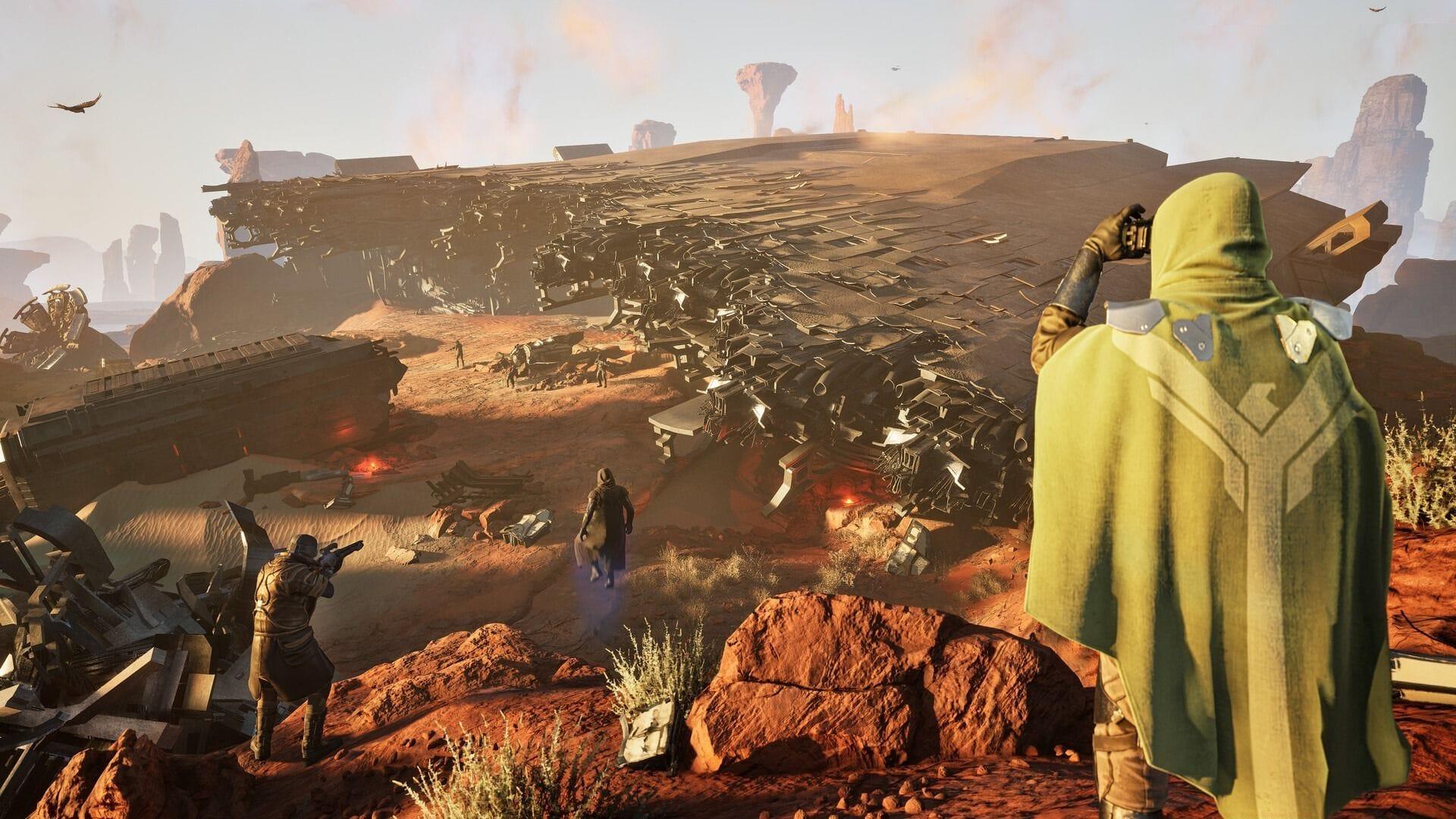
When selecting your Caste, you are choosing from three distinct social tiers, each granting a unique dialogue trait:
- Bondsman: Grants the Bondsman Dialogue Trait, reflecting a life of service and practical labor.
- Na-Familia: Provides the Nobility Dialogue Trait, suitable for players who envision their character with aristocratic bearing.
- Pyon: Awards the Pyon Dialogue Trait, embodying the resilience of the common folk struggling under the harsh desert sun.
These traits may unlock specific conversational branches with NPCs, offering alternative ways to gather information or complete objectives, but they do not confer gameplay advantages like increased resource yield or combat prowess.
Strategic Implications and Common Player Mistakes
A frequent misconception among new players is that these choices will significantly impact their long-term build or resource access. This can lead to analysis paralysis during character creation. The reality is that your narrative selections should be driven by your roleplaying vision. For instance, fans of Denis Villeneuve’s Dune films or Frank Herbert’s original novels might naturally gravitate toward Caladan (home of House Atreides) or Geidi Prime (home of House Harkonnen) to align their origin story with these iconic factions. This is a perfectly valid approach that enhances immersion without sacrificing efficiency.
The most common mistake is overvaluing these narrative choices at the expense of the more consequential decision: your Mentor. Spending excessive time worrying about the perfect Homeworld can delay your entry into the game where the real strategic choices begin. Remember, these are flavor elements designed to enrich your story, not hidden difficulty settings.
Where Choice Truly Matters: Selecting Your Mentor
If you are looking for a selection with immediate and tangible gameplay impact, direct your attention to the Mentor choice. This decision determines your starting suite of abilities and your initial access points into the game’s expansive skill trees. Unlike Homeworld and Caste, your Mentor provides tools that will shape your early-game survival strategy on Arrakis.
Based on available information, two Mentors stand out for their powerful and versatile starting abilities:
- Trooper: This Mentor provides a grapple hook-like ability, offering unparalleled vertical mobility and traversal options in the vast desert and complex cave systems. This can be a game-changer for exploration and evasion.
- Mentat: Opting for this path grants you a suspensor-buoyed dart protector, a unique defensive tool that can control the battlefield and protect you from ranged threats, ideal for players favoring a tactical, calculated playstyle.
Critical Insight: It is vital to understand that no Mentor choice permanently locks you into a specific path. The game’s design allows you to eventually access all ability trees by finding and interacting with specific NPCs as you progress through quests and explore the world. Your Mentor choice is about defining your starting strategy, not your final build.
Optimization Tips for Advanced Play
For players seeking to optimize their early-game experience, consider aligning your Mentor choice with your intended long-term playstyle, but do so with the freedom to experiment later. A Trooper’s mobility is exceptionally valuable for players who plan to focus on resource gathering in hard-to-reach places or engaging in hit-and-run combat. Conversely, the Mentat’s tools suit a player who intends to delve into base building, research, and tactical defense.
An advanced strategy is to view your initial 10-20 hours as defined by your Mentor. Use this period to master your starter abilities and gather the resources and reputation needed to seek out other NPCs who can teach you additional skills. This approach turns character creation into a strategic launchpad rather than a permanent restriction.
Final Recommendation: Choose your Homeworld and Caste based on the story you want to tell. Choose your Mentor based on the gameplay experience you want to have in the first critical hours on Arrakis. This dichotomy is the key to a satisfying and powerful start in Dune Awakening.
Expand your survival knowledge on Arrakis:
- DA: How to get Fuel Cells
- DA: How to get Spice-infused Copper Dust
- DA: Best build for general gameplay
- DA: What’s the max level?
- DA: First Trial of Aql walkthrough
- DA: How to reach Vermillius Gap
- DA: Building power generation, explained
- DA: A quick summary of Arrakis lore you need to know
No reproduction without permission:Tsp Game Club » Dune Awakening: Does Homeworld and Caste choice have any effect? A practical guide to character creation choices in Dune Awakening, explaining their real impact and strategic alternatives for optimal gameplay.