
Master Mario Kart World’s wall and rail mechanics with advanced techniques, strategic tips, and competitive advantages
Introduction to Mario Kart World’s New Movement System
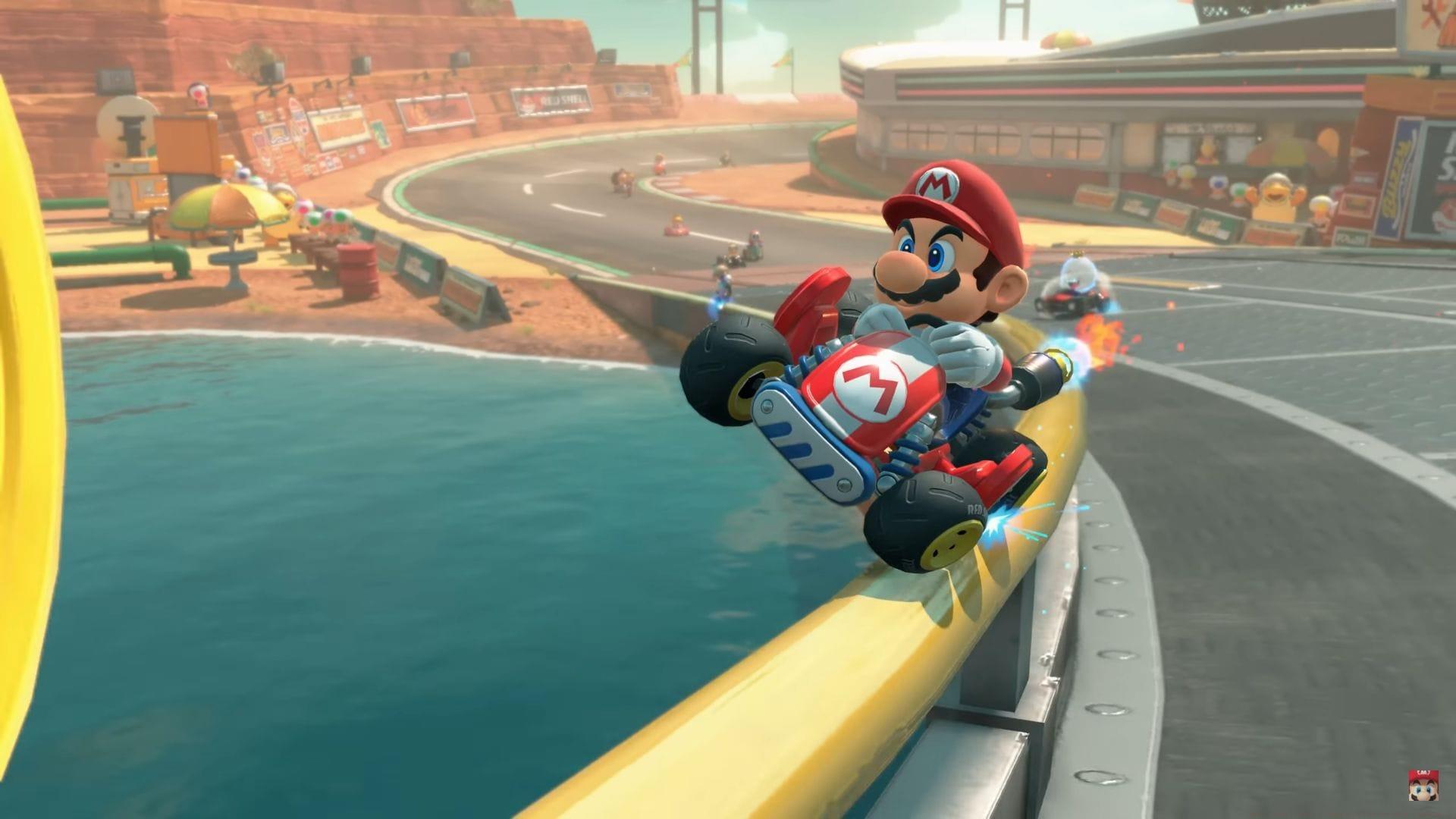
Mario Kart World represents a revolutionary leap in the franchise’s gameplay evolution, introducing dynamic vertical movement mechanics that transform traditional racing strategies. Originally showcased during the Nintendo Switch 2 announcement, these rail and wall riding capabilities aren’t just cosmetic additions—they’re essential competitive tools that separate novice drivers from championship contenders. Mastering these techniques opens up entirely new racing lines, secret pathways, and strategic opportunities throughout both traditional circuits and expansive open-world environments.
Mastering Rail Grinding Mechanics
The Charge Jump technique serves as your primary method for initiating rail sequences. To execute this maneuver effectively, completely release directional controls and maintain pressure on the drift button (R). Your vehicle will visibly compress, indicating the charging process. Optimal timing requires waiting for the full charge cycle—typically 1.5 seconds—before releasing R to propel into the air. Precise alignment toward rail targets ensures successful landings and immediate grinding initiation.
Many track designs incorporate ground-level rail segments that require no jumping whatsoever. When encountering these integrated rail systems, simply drive directly onto the rail surface to automatically engage grinding mode. This seamless transition eliminates timing concerns and provides immediate access to alternative racing lines.
During grinding sequences, pressing R activates trick maneuvers that deliver crucial speed boosts. Unlike balance-based mechanics in other racing games, Mario Kart World automatically maintains your grinding trajectory. You’ll continue along the rail until reaching its terminus or executing a directional jump-off maneuver. Strategic use of these exit techniques enables item evasion, access to hidden routes, and critical boost accumulation during tight races.
Also read: 5 times Nintendo changed gaming forever with revolutionary innovations
Wall Riding Fundamentals and Techniques
Wall navigation presents more complex challenges but offers significant competitive rewards. Multiple entry methods provide flexibility depending on your positioning and available resources:
Once established on wall surfaces, you’ll accumulate boost energy throughout your ride. The R button enables trick execution or controlled dismounts. Advanced track designs facilitate wall-ride chaining through well-timed directional bounces, creating flowing vertical movement sequences that bypass traditional track sections entirely.
Pro-Level Strategies and Optimization
These movement mechanics shine brightest in Mario Kart World’s expansive open-world regions, where hidden passages and secret shortcuts reward mechanical mastery. Beyond basic execution, advanced players should focus on several optimization areas:
Timing Precision: Charge Jump effectiveness depends heavily on release timing. Practice the auditory and visual cues that indicate optimal charge states. Releasing too early results in insufficient height, while delayed releases waste valuable racing seconds.
Common Execution Errors: Many players struggle with maintaining proper alignment during Charge Jump preparation. Avoid subtle steering inputs that disrupt trajectory calculations. Additionally, attempting wall rides from suboptimal angles frequently causes failed attachments and momentum loss.
Advanced Applications: Expert racers utilize rail and wall transitions to maintain boost chains across extended track sections. By strategically planning your route to incorporate multiple grinding sequences, you can maintain higher average speeds than ground-bound competitors. These techniques prove particularly valuable in time trial modes where every millisecond counts.
This comprehensive guide to Mario Kart World’s vertical movement systems provides the foundation for mastering the game’s most innovative mechanics.
Check out: What is Knockout Tour in Mario Kart World?
No reproduction without permission:Tsp Game Club » Mario Kart World: How to ride on rails and walls Master Mario Kart World's wall and rail mechanics with advanced techniques, strategic tips, and competitive advantages