
TL;DR
- Master workbench mechanics and blueprint pinning for efficient crafting workflow
- Learn optimal material farming routes and scavenging patterns in Castor Woods
- Understand weapon modification combinations for maximum damage output
- Implement durability management systems to maintain combat readiness
- Develop situational weapon selection strategies for different zombie types
Transform from vulnerable survivor to apex predator through Dying Light: The Beast’s comprehensive weapon crafting system. Unlike traditional shooters where you simply find better gear, this game demands constant creation and maintenance of your arsenal as every swing degrades your tools. Understanding these core mechanics separates successful survivors from zombie fodder.
Your crafting journey centers around strategically placed workbenches within Safe Zones. These stations serve as manufacturing hubs where scattered resources become lethal instruments. The crafting interface provides detailed breakdowns of required components, damage statistics, and special attributes before commitment. Pro tip: Always preview weapon stats to avoid wasting rare materials on suboptimal creations.
Blueprint acquisition represents your primary progression system. These schematics function as instructional guides for weapon creation, hidden throughout Castor Woods’ most dangerous areas:
The blueprint pinning feature revolutionizes your scavenging efficiency. When activated, this system provides real-time notifications as you collect required components during exploration runs. This eliminates tedious inventory checking and ensures you never miss crucial materials. Advanced players maintain 3-5 pinned blueprints simultaneously, creating continuous progression opportunities throughout each session.

Successful weapon crafting hinges on understanding material types, sources, and acquisition strategies. The Beast introduces tiered material systems where common components support basic weapons while rare elements enable elite gear. Material management directly impacts your survival capabilities and combat effectiveness.
Core material categories include:
Strategic farming routes maximize material acquisition efficiency. The industrial sector northwest of Central Tower provides concentrated metal resources, while the medical district offers chemical components. Establish a clockwise farming pattern that hits multiple resource zones while minimizing backtracking. Time your runs to coincide with daylight hours when visibility improves and certain zombie types are less aggressive.
Avoid common scavenging mistakes like carrying maximum capacity weapons (wastes durability), ignoring environmental containers, and failing to prioritize rare material locations. Instead, maintain 2-3 primary weapons with varied damage types, systematically search all container types, and mark rare material zones on your map for repeated visits.

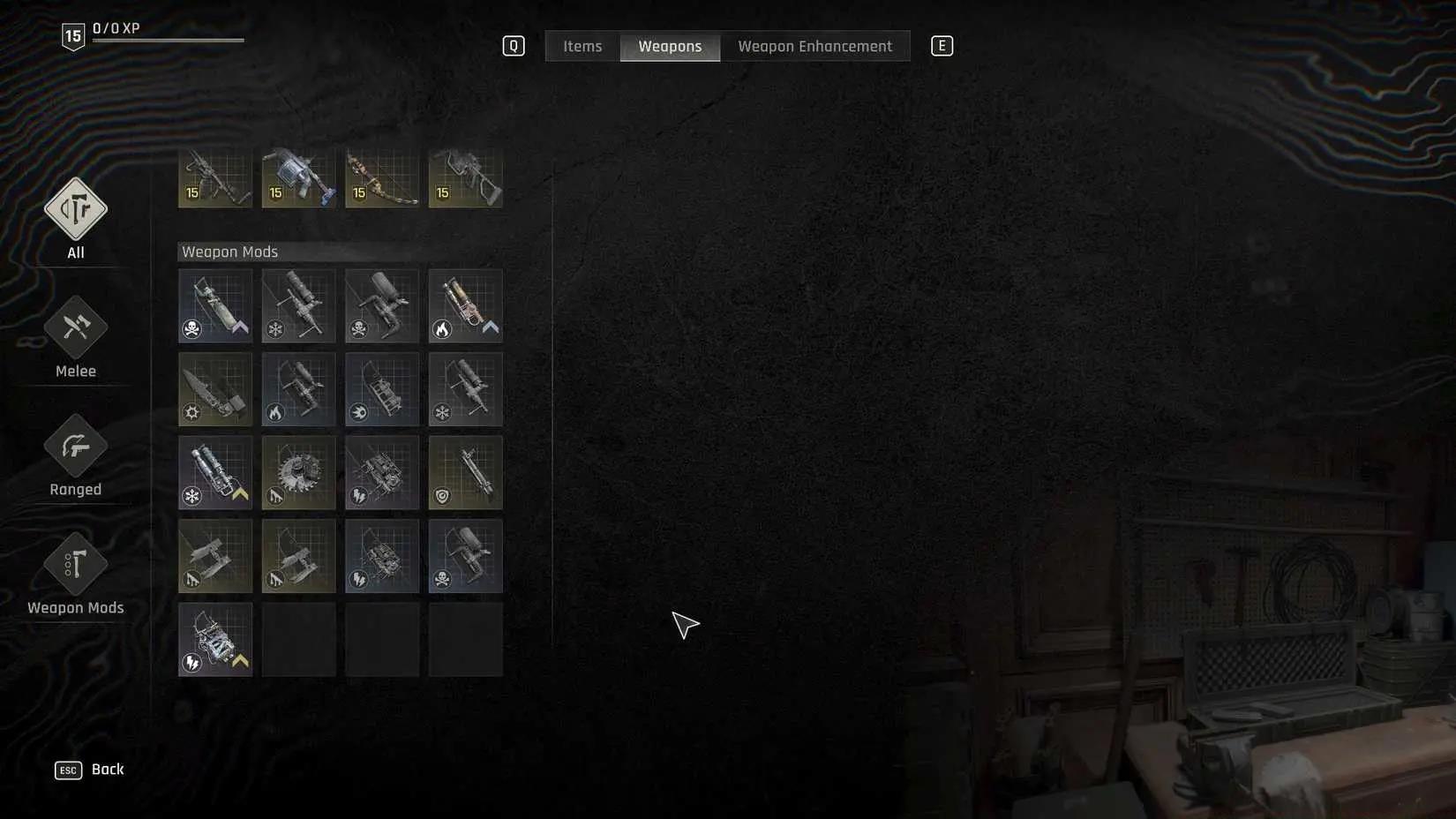
Weapon modifications transform standard tools into specialized zombie-slaying instruments. The Beast’s modification system enables deep customization through attachment slots that alter damage types, add special effects, and improve handling characteristics. Understanding modification synergies creates weapons tailored to specific combat scenarios.
Primary modification categories include:
Advanced modification strategy involves creating complementary effect combinations. Pair electricity modifications with water-based environmental attacks for area denial, or combine bleeding effects with rapid-attack weapons for damage-over-time stacking. Avoid conflicting modifications like fire and ice elements on the same weapon, as they cancel each other’s effectiveness.
Modification tier progression follows material quality requirements. Basic modifications use common materials while elite versions demand rare components and completed challenges. Prioritize modifications that align with your playstyle rather than chasing maximum statistical improvements. A well-chosen rare modification often outperforms a mismatched legendary one.
Advanced crafting transcends basic weapon creation through strategic resource management and situational awareness. Elite players develop systems that maximize output while minimizing resource expenditure. These methodologies separate temporary survivors from long-term dominators of Castor Woods.
Implement a crafting priority system based on current objectives and available resources. Tier your blueprint collection into immediate needs (replacement weapons), situational tools (specialized zombie counters), and luxury creations (resource-intensive powerful weapons). This prevents material waste on unnecessary items during critical survival periods.
Nighttime operations require specialized preparation and weapon selection. Craft dedicated nighttime tools with illumination modifications, silent attack capabilities, and high single-strike damage to handle the increased threat level. The darkness provides both danger and opportunity—certain rare materials spawn exclusively during night cycles, making calculated risk-taking potentially rewarding.
Resource management extends beyond simple collection to intelligent allocation. Maintain a baseline inventory of common materials for emergency weapon replacement while reserving rare components for planned upgrades. Use the Weapons Unlock principles of progressive enhancement rather than immediate maximum investment—sometimes multiple moderate upgrades outperform one expensive creation.
Weapon durability management represents a core survival mechanic in The Beast. Unlike previous series entries where weapons lasted indefinitely, every combat engagement degrades your arsenal. Developing maintenance strategies ensures you’re never caught defenseless during critical encounters.
Durability mechanics follow predictable degradation patterns based on usage type. Heavy attacks and hitting hard surfaces accelerate wear, while precise strikes against zombie weak points preserve weapon condition. Environmental factors like rain and certain zombie types (corrosive variants) can additionally impact degradation rates.
Implement a weapon rotation system rather than relying on a single favorite tool. Maintain 3-4 weapons in various condition states, rotating them based on encounter difficulty and available repair resources. This approach extends your effective combat capability between crafting sessions and safe zone visits.
Repair strategies balance immediate needs against long-term resource conservation. Basic repairs using common materials provide temporary fixes during exploration, while comprehensive maintenance at workbenches restores maximum durability. Learn to recognize when a weapon approaches irreparable status to salvage remaining materials before complete breakdown.
As you master these mechanics, consider exploring Class Guide principles for loadout specialization that complements your crafting approach.
Weapon crafting excellence means nothing without effective combat application. The final stage of mastery involves seamlessly integrating your created arsenal into engagement strategies against Castor Woods’ diverse zombie threats. Situational awareness and appropriate tool selection determine survival success.
Develop weapon selection tactics based on zombie type and encounter circumstances. Standard shamblers fall efficiently to balanced one-handed weapons, while armored variants require heavy two-handed tools or elemental damage. Special infected demand specialized counters—electrical weapons for water-based threats, fire for regenerating types, and bladed instruments for quick, precise strikes.
Create situational loadouts for common scenarios rather than seeking a universal weapon. Maintain a horde-clearing tool with wide swing arcs, a single-target precision weapon for special infected, and a durable backup for emergency situations. This loadout philosophy mirrors successful approaches in other tactical games and ensures you’re prepared for variable threats.
Horde management combines weapon capabilities with environmental interaction. Use crafted tools to create chokepoints, funnel zombies into advantageous positions, and control engagement pacing. Remember that your Complete Guide to tactical positioning applies here—sometimes the best weapon is strategic placement rather than raw damage output.
Mastering these combat integrations transforms your crafted weapons from simple tools to strategic assets that control the battlefield and ensure long-term survival in The Beast’s unforgiving world.
Action Checklist
- Establish workbench familiarization – practice crafting interface navigation
- Pin 3 essential blueprints and establish material farming route
- Craft specialized weapons for different zombie types and situations
- Implement weapon rotation system and durability management protocol
- Master modification synergies and create optimized loadouts
No reproduction without permission:Tsp Game Club » Dying Light: The Beast – Complete Weapon Crafting Guide Master weapon crafting, modification, and material farming to dominate zombie hordes in Dying Light: The Beast