
Comprehensive guide to EA College Football 26’s most challenging stadiums with expert strategies and fan insights
Introduction to Stadium Atmosphere Mechanics
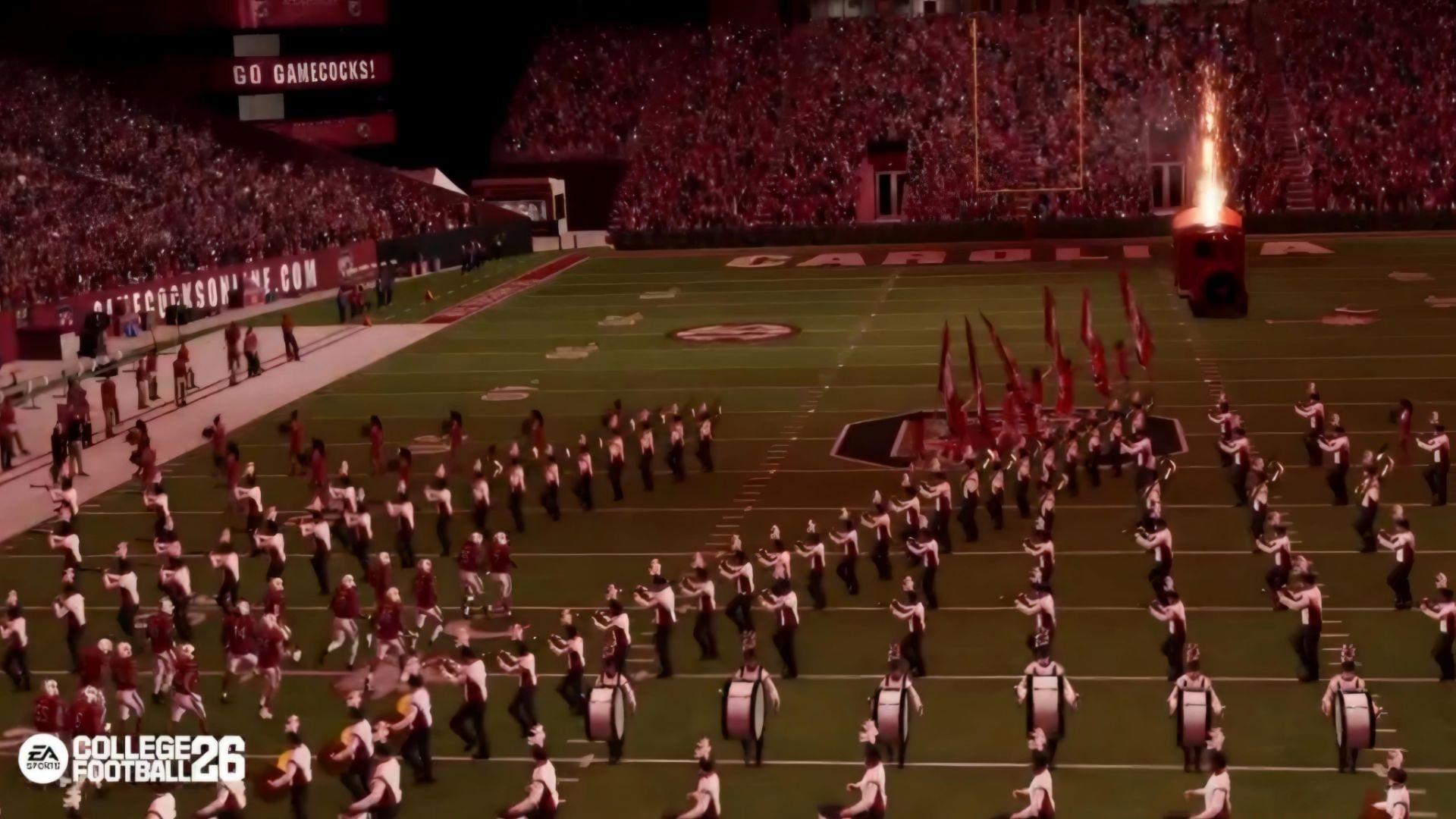
Understanding stadium dynamics represents a critical gameplay element in EA College Football 26. The development team has significantly enhanced environmental factors that directly impact player performance. Crowd noise levels, time of day matches, and regional rivalries now create tangible gameplay consequences that challenge even veteran coaches.
Stadium atmosphere mechanics function through multiple layers. Crowd volume affects audible play calls and offensive communication, while home field advantages provide statistical boosts to home team attributes. The most hostile environments generate visual and auditory cues that can disrupt timing-based plays and decision-making under pressure.
Official Toughest Stadiums Ranking Analysis
EA Sports recently unveiled their official rankings for the most challenging venues in EA College Football 26 through an extensive deep dive publication. The selection criteria incorporated historical crowd intensity, decibel level recordings, and player performance metrics from previous installations. Traditional powerhouses dominate the upper echelons, though several notable programs received unexpected placements.
The complete roster of intimidating venues includes:
- Beaver Stadium (Penn State) – Renowned for its ‘White Out’ games
- Ohio Stadium (Ohio State) – The Horseshoe’s architectural design amplifies noise
- Sanford Stadium (Georgia) – Between the Hedges creates unique acoustic challenges
- Bryant-Denny Stadium (Alabama) – SEC tradition meets modern crowd engineering
- Memorial Stadium (Clemson) – Howard’s Rock tradition translates to in-game advantages
- Ben Hill Griffin Stadium (Florida) – The Swamp’s humid conditions affect player stamina
- Gaylord Family Oklahoma Memorial Stadium (Oklahoma) – Sooner Magic manifests as gameplay modifiers
- Autzen Stadium (Oregon) – Despite smaller size, generates disproportionate noise levels
- Michigan Stadium (Michigan) – The Big House’s massive capacity creates pressure scenarios
- Kyle Field (Texas A&M) – Midnight Yell Practice translates to unique in-game events
- Neyland Stadium (Tennessee) – Rocky Top reverberations disrupt offensive communication
- Darrell K Royal Texas Memorial Stadium (Texas) – Longhorn traditions provide home team buffs
- Doak S. Campbell Stadium (Florida State) – War Chant generates timed difficulty spikes
- Camp Randall Stadium (Wisconsin) – Jump Around tradition impacts player stability metrics
- Williams-Brice Stadium (South Carolina) – Cockaboose Railroad adds environmental variety
- Jordan-Hare Stadium (Auburn) – Multiple historic plays encoded as random events
- Husky Stadium (Washington) – Waterfront location affects passing game mechanics
- Kinnick Stadium (Iowa) – Wave tradition provides morale mechanics
- Rice-Eccles Stadium (Utah) – Elevation factors influence player endurance
- Notre Dame Stadium (Notre Dame) – Touchdown Jesus creates iconic backdrop challenges
- Carter-Finley Stadium (NC State) – Wolfpack traditions trigger crowd intensity moments
- Boone Pickens Stadium (Oklahoma State) – Pistol Pete firing sequence as gameplay event
- Spartan Stadium (Michigan State) – Spartan traditions affect weather and field conditions
- Davis Wade Stadium (Mississippi State) – Cowbell mechanics introduce audio challenges
Notably absent from the rankings were Donald W. Reynolds Stadium (Arkansas Razorbacks) and Lane Stadium (Virginia Tech Hokies), omissions that generated significant discussion within the college football gaming community. These exclusions suggest EA Sports implemented revised evaluation criteria focusing on measurable crowd impact rather than traditional reputation.
Advanced Gameplay Strategies for Hostile Environments
Success in EA College Football 26’s most challenging venues requires sophisticated preparation and adaptive play-calling. Veteran players recommend implementing silent count systems for offensive line play in extremely loud environments. Utilizing no-huddle offenses can neutralize crowd momentum swings, while establishing strong rushing attacks minimizes dependence on precision passing in chaotic settings.
Strategic timeouts become crucial tools for disrupting home team momentum chains. Saving these precious resources for critical third-down situations or following big plays from the opposition can reset crowd intensity meters. Similarly, mastering ball-control offenses that consume clock diminishes the home crowd’s opportunities to impact the game’s rhythm.
Advanced players should study each stadium’s unique environmental factors. For example, venues with open designs like Michigan Stadium respond differently to weather conditions than enclosed bowls like Husky Stadium. Understanding how wind patterns, precipitation, and temperature interact with stadium architecture provides competitive advantages that offset home field bonuses.
Common Mistakes and How to Avoid Them
Many players undermine their road game performance through predictable errors. Rookie coaches often panic when crowd noise intensifies, abandoning established game plans prematurely. This typically leads to forced passes into coverage or unnecessary risks that play directly into the home team’s strengths. Maintaining offensive balance remains essential even when environmental pressures mount.
Another frequent mistake involves inadequate preparation for stadium-specific events. Programs like Wisconsin’s ‘Jump Around’ or Mississippi State’s cowbell traditions trigger temporary stat modifiers that catch unprepared visitors off guard. Studying these timed events during film review sessions allows for strategic substitutions and play calls that minimize their impact.
Also Read: EA College Football 26 deep dive: All that is going to be new in the upcoming game, as EA hints at an “Out of Body” experience.
Ultimately, mastery of EA College Football 26’s challenging environments will separate championship contenders from average competitors. The July 10, 2025 release date provides ample opportunity to study these venues and develop counter-strategies before embarking on difficult road schedules. Understanding both the official rankings and the underlying mechanics creates pathways to victory where many would falter.
No reproduction without permission:Tsp Game Club » EA Sports announces the list of toughest places to play in EA College Football 26 Comprehensive guide to EA College Football 26's most challenging stadiums with expert strategies and fan insights