
TL;DR
- Frankie Kevich transitioned from short films to voice acting during the pandemic, landing major roles in Apex Legends, Arknights, and Silent Hill f
- Her character preparation involves deep psychological immersion and physical performance techniques
- Conduit in Apex Legends was her career breakthrough, while Cantabile in Arknights built her reputation
- Silent Hill f’s Rinko Nishida required balancing vulnerability with explosive emotional outbursts
- She dreams of voicing characters in Honkai, Genshin Impact, and more cinematic JRPG titles
Breathing life into digital characters demands more than just technical skill—it requires emotional alchemy. While compelling narratives and direction provide the foundation, voice actors like Frankie Kevich perform the crucial work of transforming scripted personas into living, breathing entities that resonate with players. These performers invest countless hours and emotional energy to craft the memorable gaming icons we cherish.
Frankie Kevich stands among the elite voice artists who have mastered this craft, contributing to beloved characters across multiple major franchises. Her portfolio spans from the tactical battlefield of Apex Legends to the dystopian world of Arknights and the psychological horror of Silent Hill f, showcasing remarkable versatility across emotional spectrums.
How Frankie Shaped Iconic Characters Like Conduit and Cantabile
Frankie’s career trajectory demonstrates strategic evolution, beginning with short film work before pivoting to voice acting during the pandemic’s industry shifts. Her breakthrough performances include Conduit in Apex Legends, Cantabile in Arknights, and her recent portrayal of Rinko Nishida in Silent Hill f, each role showcasing distinct facets of her talent.
What makes Frankie’s vocal range particularly impressive is her ability to embody characters at opposite emotional poles—from Cantabile’s profound melancholy to Conduit’s vibrant energy, then shifting gears completely for Rinko Nishida’s psychologically complex portrayal. This chameleonic quality immediately captured my attention, forming the basis for our initial interview exchange.
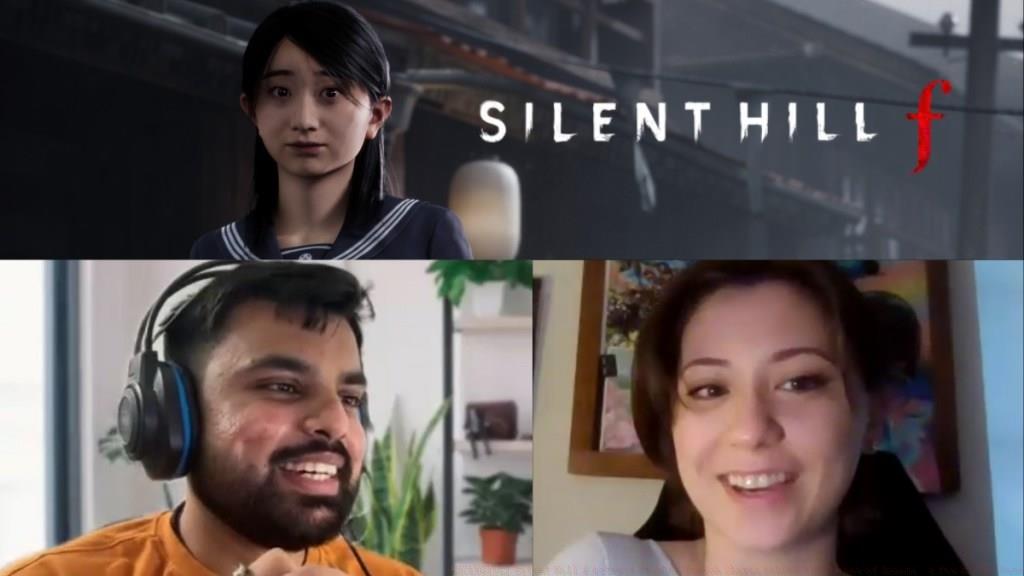
Sanmay: How do you approach preparing for such dramatically different character types? What does your standard preparation workflow look like?
The question visibly ignited her passion, her expression brightening as she detailed her systematic approach to character development.
Frankie: I absolutely rely on reference materials as my foundation. Even during initial auditions, development teams typically provide contextual information about the game world and comparable character archetypes. I draw substantial inspiration from understanding the vocal landscape other performers are creating within the same universe.
As Frankie elaborated on her inspiration sources, her tone shifted to a more reflective quality. She disclosed that her most significant professional challenge involves portraying characters fundamentally different from her own personality. For emotionally complex or energetically vibrant roles, she seeks personal connections and immerses herself in their psychological framework, empathizing with their backstory and trauma to inform authentic reactions.
However, when confronting characters with minimal personality overlap, she must undertake extensive preparatory work to thoroughly understand their history while consciously suppressing aspects of her own demeanor unsuitable for the character.
Sanmay: Which gaming projects significantly elevated your professional profile and established your reputation?
Frankie: It’s interesting—several characters I’ve deeply connected with haven’t achieved the same recognition levels. I’ve often thought, “We invested so much creative energy—I hope future audiences discover these performances.” But Conduit unquestionably represented my major breakthrough. She became my gateway into one of the industry’s most prominent gaming ecosystems.
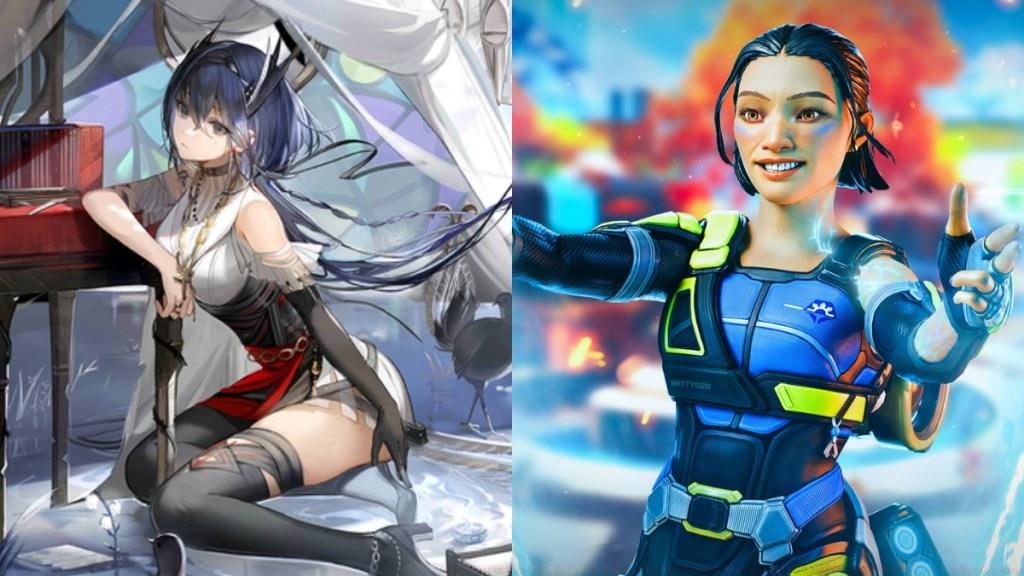
Unexpectedly, mentioning Cantabile triggered visible excitement, her face lighting up with a broad smile. She discussed her Arknights role and how it established her presence in a completely different gaming demographic. Arknights represented one of her earliest major video game bookings, with numerous instances where players recognized her primarily for this role rather than Apex Legends.
Beyond her diverse voice acting portfolio, Frankie maintains substantial involvement in live-action projects. Her career origins trace back to short film work, with standout performances in horror productions like Sonant and Red Horror. During our discussion about these projects, we discovered she has another horror live-action production currently in development.
Frankie’s dedicated followers will appreciate learning she’s actively developing additional horror content. Remember—you encountered this exclusive information here initially! With that established, my anticipation grew to explore her Silent Hill f contributions further.
Spoiler Warning:
Before proceeding to subsequent questions, I must caution that we’re entering Spoiler territory. If you haven’t experienced Silent Hill f yet, I recommend skipping this segment entirely. Consider reviewing my Silent Hill f analysis if you’re still contemplating whether to engage with the game.
Frankie’s Road to Madness and Horror in Silent Hill f
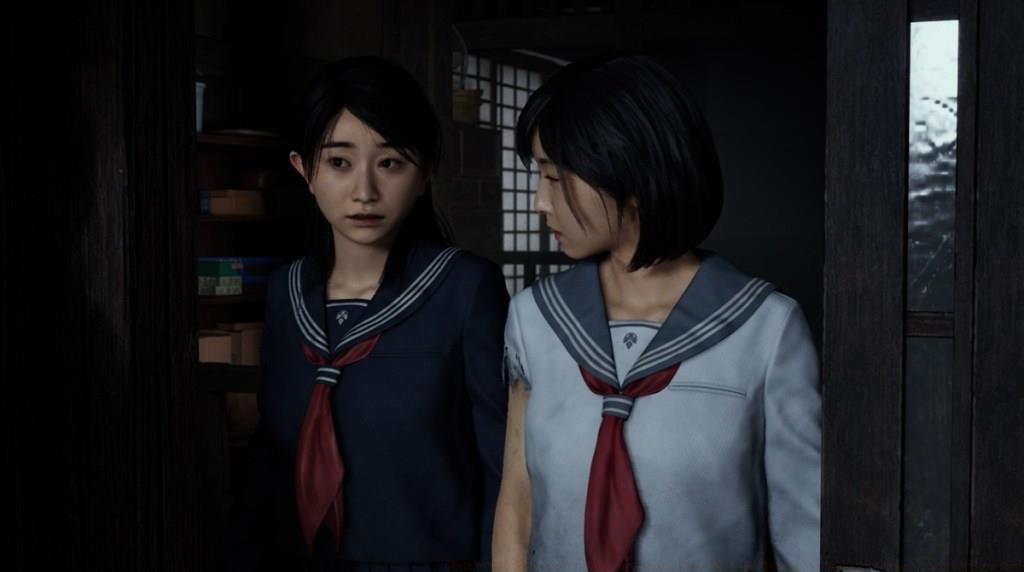
Frankie embodied Rinko Nishida in Silent Hill f, portraying one of Shimizu Hinako’s acquaintances. This character emerged as one of the narrative’s most compelling figures, with Frankie infusing her portrayal with remarkable dedication. What particularly captivated me about Rinko’s characterization was the intricate duality governing her behavioral patterns.
Sanmay: Let’s explore your Silent Hill f experience and your portrayal of Rinko Nishida. When did recording sessions commence? Did you collaborate directly with fellow cast members or work in isolation?
Frankie: The recording occurred earlier this year (2024) and proceeded quite efficiently. We managed to complete our sessions promptly, which undoubtedly contrasted with Susie Young’s experience (voice of Shimizu Hinako), who handled substantially more dialogue content.
She elaborated on how Konami’s production team facilitated smooth workflow. All performers recorded separately and didn’t meet personally until subsequent promotional interviews. Frankie and other English voice artists relied on Japanese performers’ interpretations as reference points for their own characterizations.
Sanmay: Rinko’s persona maintained this compelling dual nature from her introduction. How did you access this contrast and manifest both dimensions through your vocal performance?
Frankie: For Rinko’s characterization, I intentionally performed as though she doesn’t authentically desire such negative emotional responses toward Hinako; rather, the jealousy and resentment stem from deep-seated insecurity that overwhelms her. I perceived Rinko as a willful adolescent struggling with emotional regulation, yet internally housing significant vulnerability—a young woman fundamentally craving affection, which forms the emotional foundation. When unprovoked, glimpses of desperation and longing for connection become visible, but when experiencing perceived rejection or neglect, she reacts explosively.
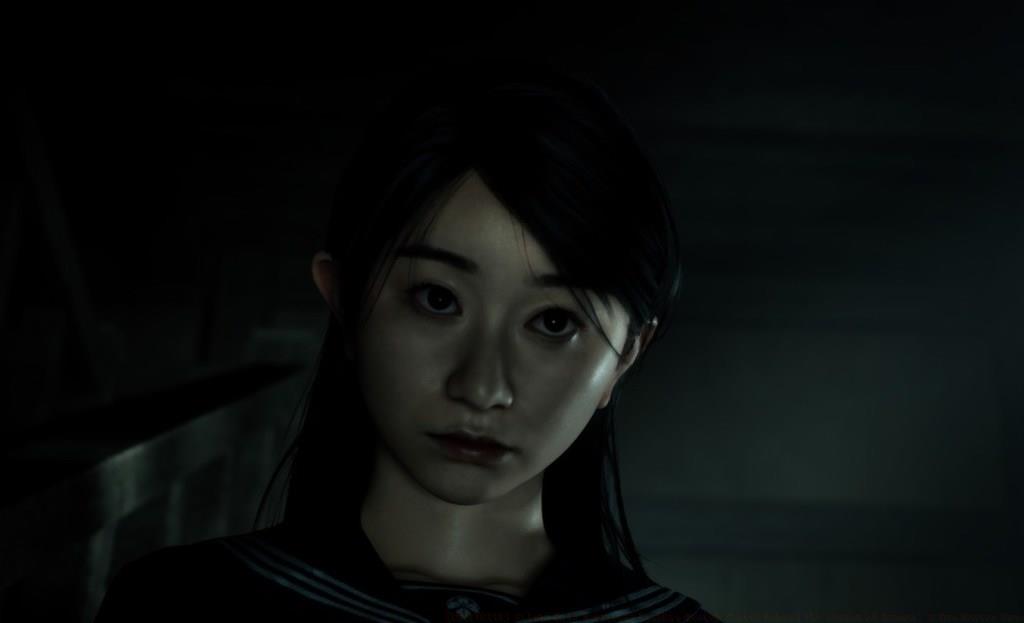
Sanmay: You previously mentioned Silent Hill f’s diverse antagonist designs. Do you personally favor any particular creature from the game? If affirmative, which entity and what reasoning?
Frankie: “Favorite” becomes such an unusual descriptor for these terrifying creations! I believe my preferred monster would be the Kashimashi, since they embody numerous thematic elements: aesthetic appeal within terror, toxicity surrounding beauty standards and femininity, but their unexpectedly fierce movements also fascinated me. However, the most terrifying creature that continues to disturb me remains the pregnancy monster!
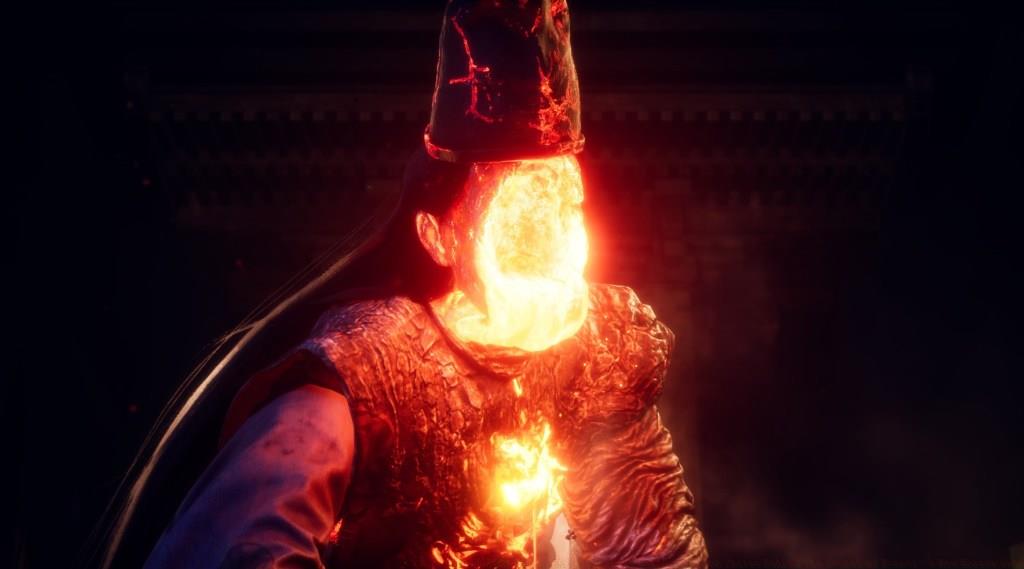
Subsequently, we inquired about the Otherworld’s lava sequence, where Rinko finally releases her pent-up fury toward Hinako, erupting before her descent into molten rock. When questioned about her approach to this pivotal moment, here’s how she responded.
Frankie: Observing her confined demonstrated Rinko’s complete helplessness—she could finally abandon all her “persona defenses.” Unlike her confrontation with Hinako, which originated from resentment and envy, this instance represented pure vulnerability and fixation on Shu. The lava descent sequence proved intensely demanding—I employ highly physical booth techniques, so I worked myself into an emotional state with labored breathing, weeping, even self-pinching to simulate physical distress. By the conclusion, I was physically exhausted!
Next, we needed to question Frankie about Rinko’s boss encounter, where she witnesses her transformation into this grotesque monstrous form. When asked how she prepared to deliver those emotionally charged lines, here’s her explanation.
Frankie: Emotionally, I simply approached this as her psychological rupture point. Until this juncture, these emotions simmered beneath Rinko’s interactions with Hinako, with that hostility occasionally surfacing. But this scene represents complete confrontation, eliminating all pretense, creating an almost emancipating experience as she no longer needed to restrain her speech. As a performer embodying Rinko’s authentic experience, it felt like unleashing emotional torrents.
Silent Hill f contained numerous remarkable sequences, with my personal favorite being Hinako’s interaction with her parents during the finale. Consequently, I couldn’t resist inquiring about Frankie’s preferred scene as well, and she responded immediately.
Sanmay: If compelled to select just one, which Silent Hill f moment represented your absolute favorite to perform?
Frankie: I recognize it’s an infuriating sequence, but when Rinko serenely descended the staircase after Hinako’s fall and simply remarked, “you klutz,” I considered that an extraordinary creative choice! That entire scene overflowed with emotional intensity, so the decision to portray Rinko with such detachment proved fascinating and contributes an unsettling dimension to the trio’s dynamic.
Although Rinko Nishida didn’t qualify as particularly “sympathetic” within Silent Hill f’s narrative, she undoubtedly remained memorable. Frankie’s commitment to realizing Rinko proves illuminating while simultaneously demonstrating Konami’s team dedication toward crafting this exceptional franchise installment.
Frankie’s extensive voice acting resume naturally prompted curiosity regarding her personal gaming engagement. So I decided to investigate directly, and surprisingly, she maintains substantial gaming experience. She enjoys RPG titles, citing classic Tomb Raider installations and Uncharted among her preferences. During leisure periods, she also engages with Persona and Metaphor ReFantazio.
As our conversation approached conclusion, I needed to inquire about Frankie Kevich’s forthcoming major projects or roles. She disclosed that her professional aspiration involves portraying characters within Honkai or Genshin Impact universes. However, she intends to gravitate toward more cinematically oriented gaming experiences moving forward, similar to Silent Hill and JRPG domains.
Have you experienced Silent Hill f personally, and if affirmative, what perspective do you hold regarding Rinko Nishida’s characterization and vocal interpretation? Share your insights in the commentary section below.
Action Checklist
- Study reference materials and game context during auditions to understand character archetypes
- Develop emotional connection techniques for characters similar to your personality
- Practice physical performance techniques in the booth for intense emotional scenes
- Build portfolio across multiple gaming genres to demonstrate vocal versatility
No reproduction without permission:Tsp Game Club » [EXCLUSIVE] Silent Hill f Actress Frankie Kevich Shares Behind the Scenes of Konami’s New Horror Game Frankie Kevich reveals her voice acting techniques for Conduit, Cantabile, and Silent Hill f's Rinko Nishida