
TL;DR
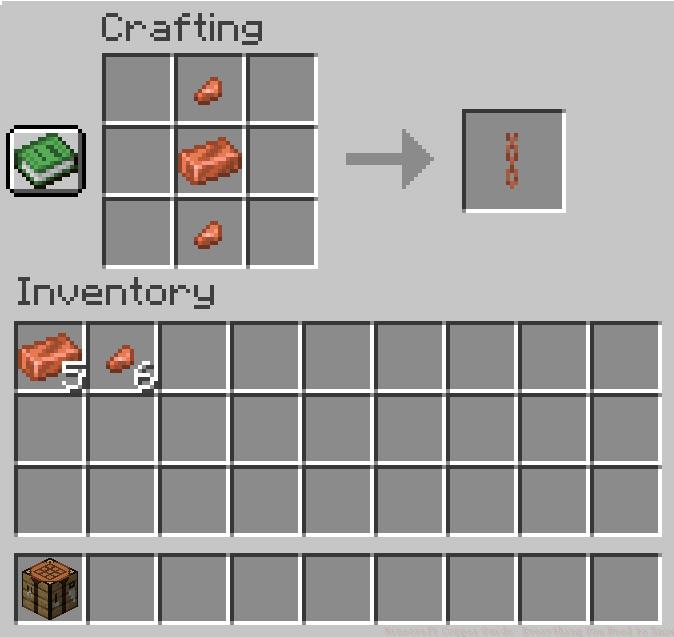
- Copper chains require 1 copper ingot and 2 copper nuggets arranged vertically in crafting grid
- Four oxidation stages offer unique color variations that can be preserved using honeycombs
- Optimal copper mining occurs at Y=43 levels and exposed mountain peaks
- Perfect for medieval builds, lantern hanging, and decorative item displays
- Oxidation progression adds dynamic visual elements to structures over time
The Minecraft 1.21.9 ‘Copper Age’ expansion significantly enhances the copper block family by introducing versatile copper chains. These decorative elements share visual similarities with iron chains but provide substantially more customization through four distinct oxidation-based color variations. Whether you’re constructing medieval castles, industrial facilities, or modern builds, copper chains add authentic detailing that elevates your architectural projects.
Unlike their iron counterparts, copper chains undergo natural weathering processes that create evolving visual appeal. This dynamic characteristic makes them particularly valuable for players seeking to create structures with authentic aged appearances or controlled color schemes through oxidation management techniques.
Crafting copper chains demands three essential components: one copper ingot, two copper nuggets, and access to a crafting table. The material acquisition process follows logical progression from mining to refinement, making it accessible even for intermediate players.
Copper ore deposits predominantly generate around Y=43 elevation coordinates and within exposed mountain peak biomes. These locations typically yield substantial ore clusters that can be harvested with stone-tier pickaxes or better. After mining raw copper, smelt it in any furnace type to produce usable ingots.
A single copper ingot can be strategically converted into nine individual copper nuggets through the crafting interface, providing ample material for multiple chain productions. This conversion ratio makes resource management efficient, as one mining session typically yields enough material for numerous decorative elements.
Pro Tip: Establish mining operations at optimal Y-levels to maximize copper yield, and consider building furnaces near mining sites to streamline the smelting process.
Once you’ve gathered the necessary materials, follow this precise crafting sequence to produce copper chains efficiently:
- Position your crafting table on any solid surface and interact with it to access the 3×3 crafting grid interface.
- Place the single copper ingot precisely in the center position of the middle row.
- Position one copper nugget directly above the ingot in the top-center slot.
- Place the second copper nugget immediately below the ingot in the bottom-center position.
- Retrieve your completed copper chain from the output slot.
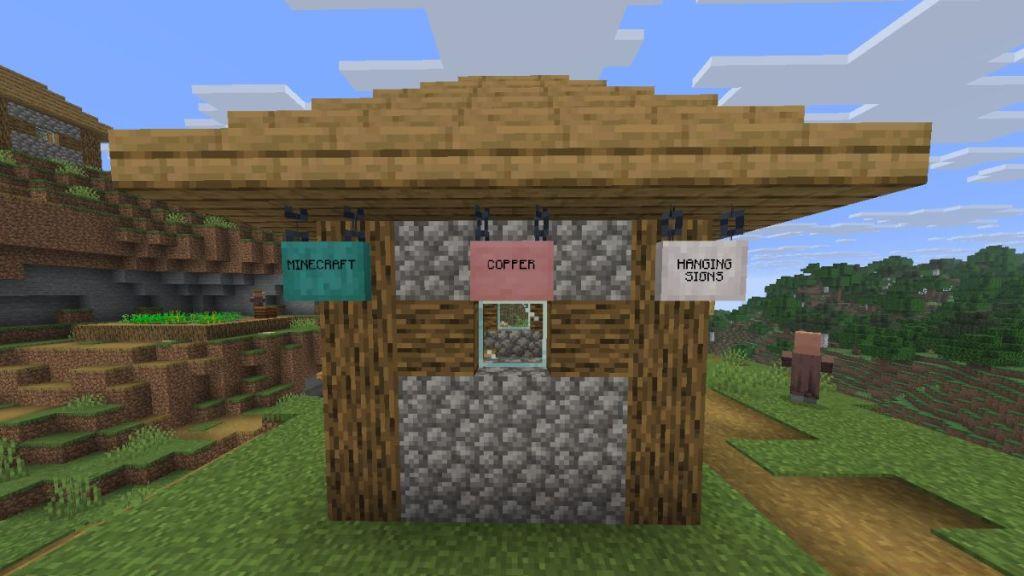
Common Mistake: Players frequently misplace materials in adjacent slots rather than the strict vertical alignment required. Always verify the center-column placement before finalizing the craft.
Copper chains exhibit four distinct visual states corresponding to their oxidation progression: pristine (original copper), exposed (light patina), weathered (medium green), and oxidized (full green patina). This natural aging process occurs gradually when chains are placed in the world and exposed to environmental elements.
The oxidation level directly determines the chain’s coloration, with each stage offering unique aesthetic qualities. Fortunately, players can interrupt this process at any desired stage by applying honeycombs through the waxing mechanic, effectively locking the current appearance permanently.
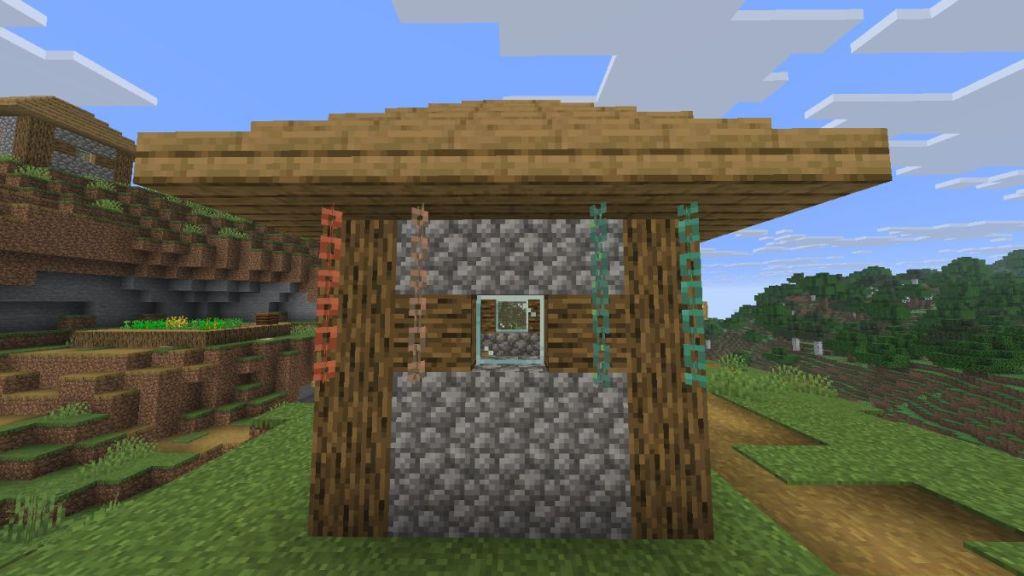
Advanced Technique: Create oxidation gradients by placing chains at different times or waxing them at various stages. This creates visually interesting progression effects in large-scale builds.
Oxidation occurs at predictable rates, with full transformation typically requiring several Minecraft days. Rainy weather and placement in certain biomes may accelerate this process, allowing strategic planning for desired aesthetic outcomes.
Copper chains serve both decorative and functional purposes in Minecraft constructions. Their primary application involves creating authentic hanging mechanisms for lanterns, bells, and other suspended elements in medieval-style builds.
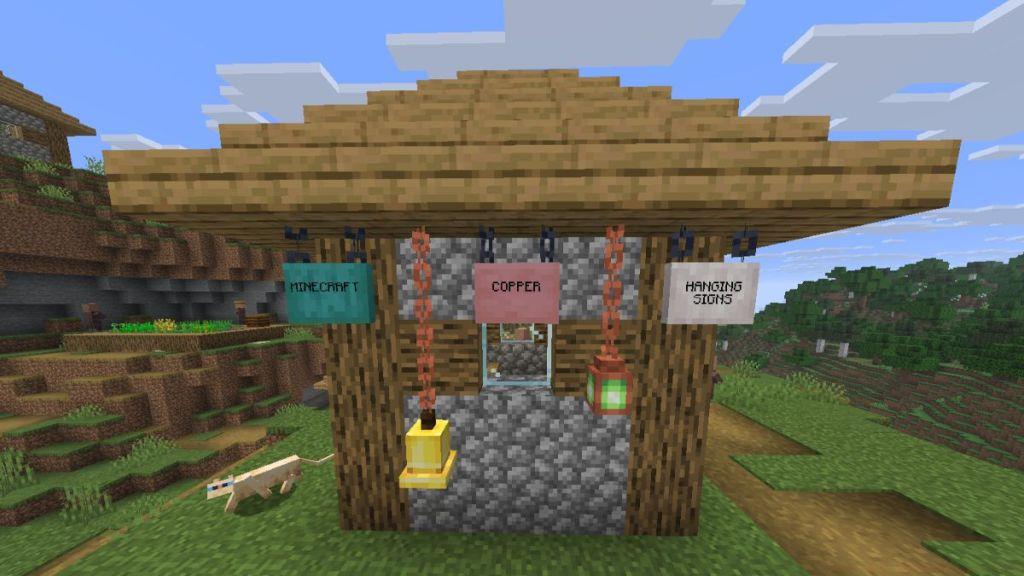
Beyond traditional uses, creative builders employ copper chains for:
- Suspension bridges and structural supports
- Industrial facility detailing and machinery aesthetics
- Dungeon and temple decoration for atmospheric effects
- Item display systems creating floating appearance illusions
- Ceiling installations for taverns, castles, and marketplaces
Building Strategy: Combine chains at different oxidation stages within single structures to create time-worn visual narratives. This technique suggests different construction periods or weathering patterns.
For players exploring other Complete Guide to gaming mechanics, understanding material properties like copper oxidation translates to better strategic planning across different game genres.
When planning large-scale chain implementations, calculate material requirements in advance. Each chain requires specific resource investments, so efficient mining sessions become crucial for ambitious projects.
Action Checklist
- Mine copper ore at Y=43 levels or mountain peaks
- Smelt raw copper into ingots using any furnace type
- Convert one copper ingot into nine nuggets via crafting grid
- Arrange materials vertically: nugget-top, ingot-center, nugget-bottom
- Apply honeycombs to lock oxidation at desired visual stage
- Experiment with oxidation gradients for advanced visual effects
No reproduction without permission:Tsp Game Club » How to Make Minecraft Copper Chain Master copper chain crafting in Minecraft with expert tips on oxidation control and decorative applications