
TL;DR
- Dynamic reputation systems create meaningful NPC interactions beyond simple transactions
- Advanced character progression allows physical development tied to gameplay activities
- Safebouse customization provides tangible rewards for in-game achievements
- Branching quests with multiple outcomes enhance replay value significantly
- All RPG elements must maintain GTA’s signature accessibility while adding depth
While Grand Theft Auto titles traditionally feature arcade-style gameplay, their expansive sandbox environments naturally lend themselves to immersive roleplaying experiences. This explains why GTA 5 roleplay servers have evolved into sophisticated life simulation platforms where thousands of participants voluntarily observe traffic regulations, maintain consistent character personas, and approach criminal activities with realistic limitations. This player-driven evolution strongly suggests that Rockstar should thoughtfully integrate proven RPG mechanics into GTA 6’s core design framework.
As someone deeply immersed in roleplaying games, I’ve analyzed numerous successful RPG systems to identify elements that could enhance GTA’s formula without compromising its signature accessibility. The crucial consideration is that any borrowed features must feel organic within GTA’s established gameplay rhythm and not introduce unnecessary complexity.

Reputation mechanics in roleplaying games fundamentally revolve around your character’s standing with various factions, key individuals, and community groups. Positive actions that align with a faction’s interests will gradually build respect and cooperation, while antagonistic behavior or repeated transgressions will deteriorate relationships. This creates a meaningful framework that gives weight to your everyday decisions beyond critical story mission choices.
Given that GTA 6 will undoubtedly permit players to engage in chaotic police confrontations and urban mayhem, implementing a comprehensive reputation system across all law enforcement would feel contradictory. Instead, I advocate for micro-level reputation tracking focused on specific NPC relationships. Consider weapons vendors – how frequently have you entered AmmuNation stores and indiscriminately fired upon the shopkeeper for amusement? Yet they consistently forgive these transgressions and welcome your business without consequence.
With a properly implemented reputation framework, non-player characters could feature tolerance thresholds for your disruptive antics before they respond with defensive aggression. This would motivate players to either cultivate positive vendor relationships through respectful conduct or deliberately provoke hostile reactions for alternative gameplay approaches. Such systems would integrate seamlessly with supporting characters like Lamar or Jimmy from GTA 5, where their perception of your character would dynamically shift based on interaction quality.
The various criminal organizations throughout Vice City’s underworld could display differentiated responses contingent upon your historical treatment of their members. Grand Theft Auto: San Andreas successfully employed similar mechanics years ago, and I’m optimistic this feature will return in enhanced form for GTA 6.
When discussing RPG-inspired character development, many players envision intricate skill trees, rigid class archetypes, and complex statistical advancement. Admittedly, this degree of character management would overwhelm GTA’s streamlined design philosophy. What I’m proposing instead focuses on transformations to your protagonist’s physique, visual presentation, and functional capabilities, all progressing through dedicated player investment.
I envision this as an expanded iteration of San Andreas’s physical conditioning system. That mechanic enabled CJ to visit gym facilities for weight training to develop muscular definition, or reduce calorie intake combined with extensive running to decrease body mass. Despite its relative simplicity, this feature substantially deepened immersion through tangible visual feedback.
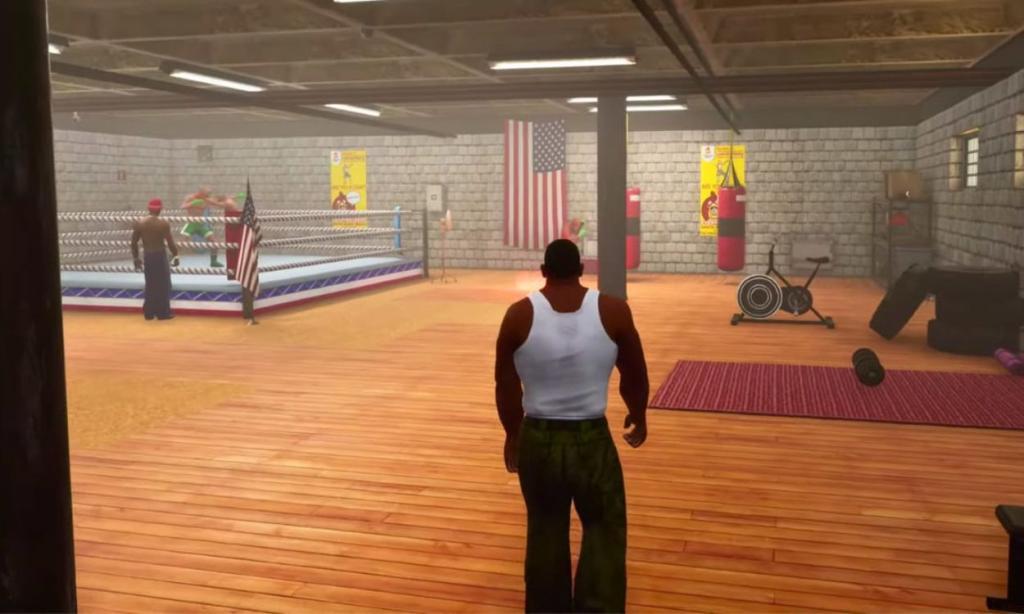
GTA 6 could elevate this concept by implementing nutritional requirements for maintaining developed musculature. Alternatively, developers could link specific muscle group development to specialized exercise routines, requiring players to prioritize which physical attributes they wish to enhance initially. This represents one of the classic GTA mechanics I hope returns in GTA 6.
Common Mistake: Many players attempting muscle-building systems focus exclusively on gym workouts while neglecting nutritional balance, resulting in suboptimal progression. Always combine strength training with appropriate dietary management for best results.
Advanced Strategy: For optimal character development, establish a balanced routine alternating between strength training, cardiovascular exercise, and adequate recovery periods. Overtraining can actually diminish results and make your character more susceptible to fatigue during demanding missions.
I thoroughly enjoyed personalizing Breezehome in Skyrim and restoring Corvo Bianco’s vineyard estate in The Witcher 3. Specifically, I recall undertaking various side occupations across both titles to accumulate sufficient funds for installing alchemy stations in the former property and repairing guest accommodations in the latter. There’s an inherently rewarding quality to transforming virtual spaces into personalized havens through incremental enhancements, even within gaming environments.
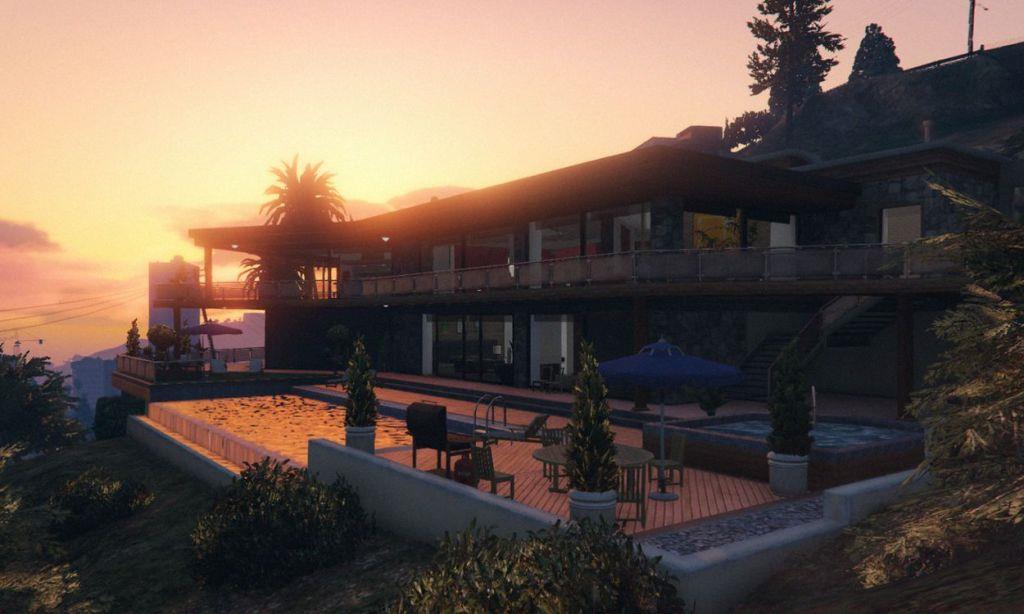
Practical Implementation: Safebouse upgrades could range from cosmetic enhancements like interior decoration and furniture selection to functional improvements such as weapon storage expansions, vehicle modification bays, or planning rooms for heist preparations. Each enhancement should provide tangible gameplay benefits beyond visual appeal.
Time Investment: Major property upgrades typically require 3-5 hours of gameplay to accumulate necessary resources, while cosmetic changes might only demand 30-60 minutes.
For players seeking to maximize their weapon customization options, property enhancements could include specialized storage solutions for your growing arsenal.
The satisfaction derived from creating personalized spaces provides strong motivation for engaging with side content and exploring the game’s economic systems more deeply than main story progression alone might encourage.
While the original content didn’t fully explore branching quest mechanics, this represents a crucial RPG element that could dramatically enhance GTA 6’s narrative depth. Branching quest systems allow player decisions to meaningfully alter mission outcomes, character relationships, and story progression paths.
Consequence Framework: Meaningful choice implementation requires that decisions produce tangible consequences that affect subsequent gameplay. This could range from altering available mission options to changing how non-player characters interact with your protagonist throughout the game.

Implementation Strategy: For optimal integration, branching narratives should focus on side missions and character-specific storylines rather than fundamentally altering the main narrative arc.
Properly implemented branching quests significantly increase replay value, as players return to experience alternative outcomes and explore different narrative paths. This approach aligns perfectly with GTA’s established structure of optional content complementing the central storyline.
Players interested in mastering different character playstyles would benefit from narrative branches that reward specialized approaches to problem-solving.
Common Pitfall: Many games implement branching narratives that ultimately converge to the same conclusion, diminishing the impact of player agency. GTA 6 should ensure that meaningful choices produce distinct outcomes throughout the gameplay experience.
For comprehensive guidance on implementing these systems, consult our complete gameplay framework for additional insights.
Action Checklist
- Establish vendor reputation by maintaining positive interactions over 3-5 transactions
- Develop character physique through balanced gym workouts and nutritional management
- Prioritize safebouse upgrades that provide functional benefits like weapon storage or planning capabilities
- Experiment with branching quest decisions to unlock alternative narrative paths and character interactions
No reproduction without permission:Tsp Game Club » Features I Hope GTA 6 Borrows from Other RPGs Essential RPG features GTA 6 should implement for deeper immersion and player agency