
TL;DR
- Ghost of Yotei replaces stances with 14 distinct weapons across three categories for deeper combat strategy
- Master weapon switching mid-combat to counter different enemy types and situations effectively
- Prioritize katana mastery early, then expand to specialized weapons based on your playstyle
- Quickfire tools provide crucial tactical advantages when used strategically in combat encounters
- Advanced techniques require understanding weapon combinations and enemy attack patterns
Unlock Atsu’s complete combat capabilities through our comprehensive analysis of all 14 available armaments, ranging from traditional dual katanas to advanced matchlock rifle technology.
Atsu’s expedition across Yotei transcends mere honor—it’s a test of survival proficiency where weapon mastery becomes your primary advantage. Unlike Jin Sakai’s constrained armory, Atsu commands an extensive arsenal of 14 distinct weapons organized into three specialized classifications. Whether your preference leans toward the graceful accuracy of conventional blades or the overwhelming force of primitive firearms, this manual provides exhaustive breakdowns of every verified weapon alongside precise acquisition methods.
Ghost of Yotei fundamentally transforms combat mechanics by substituting the traditional stance framework with dedicated weapon archetypes. Rather than alternating stances using your katana, you’ll transition between completely separate weapons, each featuring unique attack patterns and tactical benefits. This innovation creates more profound strategic decisions—should you employ the Odachi against heavily armored opponents, or depend on Dual Katanas for rapid crowd management?
Ghost of Yotei – Comprehensive Weapon Type Analysis for Atsu’s Journey
The weapon classification system organizes into three fundamental categories:
You can equip numerous weapons concurrently and seamlessly transition between them during combat encounters, making comprehensive weapon proficiency crucial for overcoming heightened difficulty levels.
Pro Tip: Practice weapon switching during less intense encounters to build muscle memory for critical situations. Advanced players recommend dedicating 15-20 minutes daily to switching drills.
Common Mistake: Many players stick to one favorite weapon, missing the strategic advantage of countering specific enemy types with appropriate tools. The game’s design rewards versatility.
Your primary weapon serves as the foundation of Atsu’s combat methodology. The katana demonstrates exceptional performance against sword-carrying adversaries and delivers the most versatile moveset for standard confrontations. Although you forfeit the four-stance mechanism from Ghost of Tsushima, the katana’s polished moveset concentrates on accurate, flowing strikes that provide remarkable responsiveness.
Acquisition Method: Atsu commences her adventure equipped with this weapon
Optimal Matchups: Sword-armed opponents, versatile combat scenarios
Advanced Technique: Master the delayed strike timing—waiting an extra half-second after enemy attacks often creates perfect counter opportunities. This timing varies between enemy types, so practice against different foes.
The Dual Katanas revolutionize close-quarters combat into a tempest of steel. Employing one blade in conventional grip and another in inverted grip, this configuration emphasizes swift combinations rather than defensive capabilities. You’ll exchange certain blocking functions for extraordinary combo possibilities.
Strategic Insight: Dual Katanas excel against multiple lighter enemies but struggle against shielded or heavily armored foes. Perfect for clearing out archer groups quickly.
Common Error: Players often spam attacks with Dual Katanas, draining stamina rapidly. Learn to pace your combos and watch your stamina bar—running out leaves you completely vulnerable.
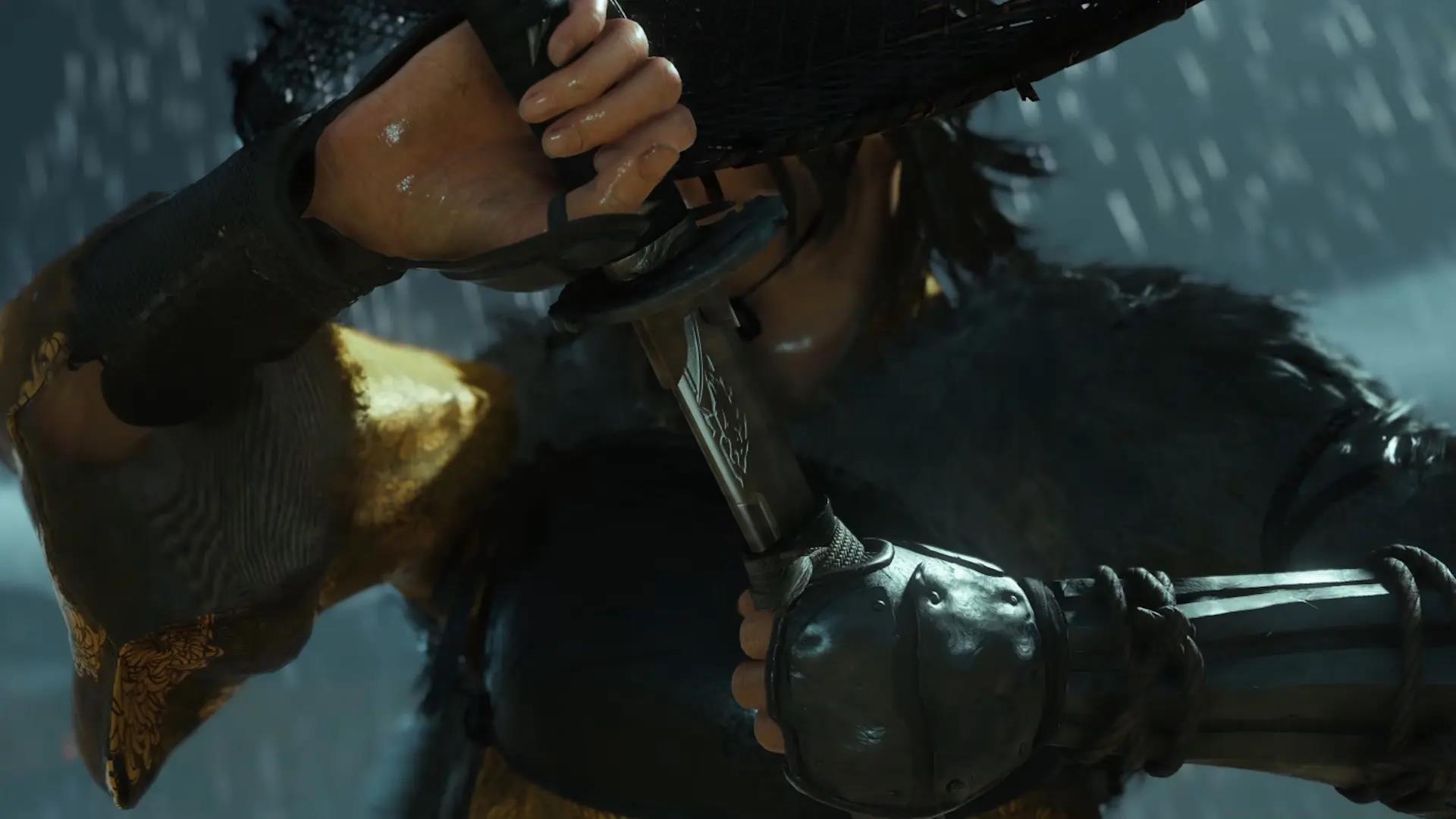
Odachi Mastery: The massive Odachi requires different timing but delivers incredible breaking power against armored enemies. Its wind-up is longer, so position yourself carefully before committing to attacks.
Weapon Upgrade Priority: Focus on upgrading your most frequently used melee weapon first. Each upgrade tier provides significant damage increases and often unlocks new combo strings.
Ranged weapons in Ghost of Yotei provide critical tactical advantages for controlling engagement distances and dealing with specific threats. Understanding when to employ each type can dramatically improve your combat effectiveness.
Longbow Precision: The traditional longbow offers silent elimination capabilities and excellent range. Perfect for stealth approaches and picking off enemies before engaging in melee.
Matchlock Rifle Tactics: Early firearms deliver tremendous stopping power but require careful positioning due to long reload times. Use these against heavily armored targets or to break enemy formations.
Ammunition Management: Unlike melee weapons, ranged options have limited ammunition. Scavenge from defeated enemies and always check archer positions for arrow resupplies.
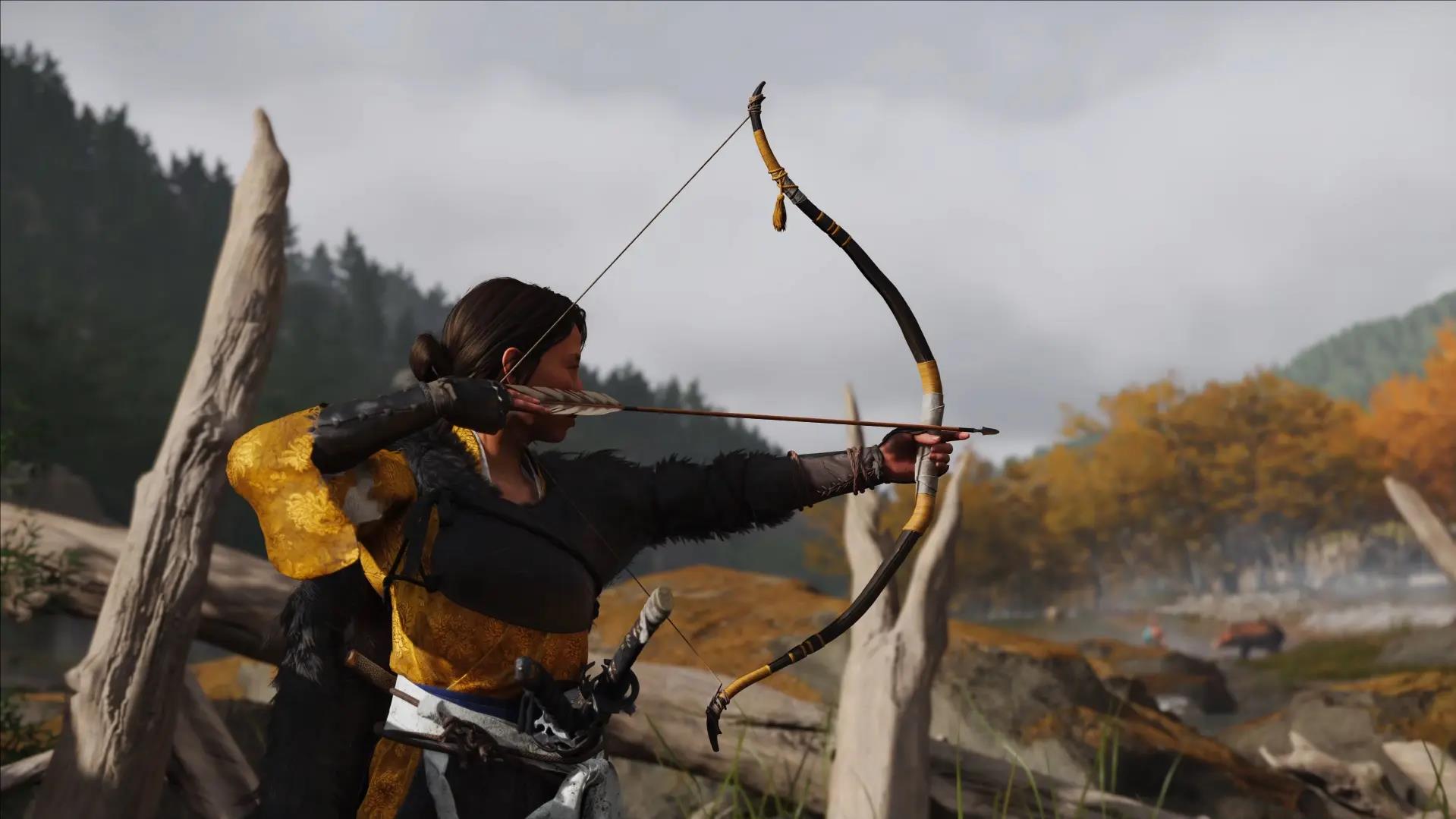
Advanced Tip: Combine ranged attacks with melee initiations—a well-placed arrow can stagger an enemy, creating opening for a powerful melee combo.
Common Mistake: Wasting special ammunition on regular enemies. Save explosive or armor-piercing rounds for elite enemies and bosses.
Weapon Synergy: Certain ranged weapons pair exceptionally well with specific melee tools. Experiment to find combinations that suit your playstyle.
Quickfire tools represent Atsu’s tactical wildcards—items that can dramatically shift combat momentum when deployed strategically. These tools operate on cooldown systems rather than ammunition, making timing crucial.
Smoke Bomb Deployment: Perfect for disengaging from unfavorable situations or setting up stealth kills. Advanced technique: Use smoke to separate enemy groups and deal with them individually.
Explosive Applications: Various explosive tools can break enemy guards, interrupt attacks, or damage multiple foes simultaneously. Learn the blast radius of each type to maximize effectiveness.
Tool Upgrade Paths: Most quickfire tools have multiple upgrade branches. Some enhance utility while others increase damage—choose based on your preferred combat approach.
Cooldown Management: Since these tools share cooldowns, using one prevents access to others temporarily. Develop a priority system for which tools to use in different scenarios.
Advanced Strategy: Combine quickfire tools with weapon switches for devastating combos. For example, use a stunning tool then switch to a high-damage weapon for free hits.
Common Error: Holding onto tools for “perfect moments” that never come. It’s better to use tools regularly to learn their applications than to finish encounters with full charges.
Strategic weapon acquisition and mastery progression can significantly impact your gameplay experience. This priority guide helps you make informed decisions about resource allocation and practice focus.
Early Game Focus (Hours 1-10): Master the katana fundamentals first—this remains your most reliable weapon throughout the game. Unlock one ranged weapon that complements your style, and one quickfire tool for utility.
Mid-Game Expansion (Hours 10-25): Branch into specialized weapons that address specific combat challenges you’re facing. If heavy enemies trouble you, invest in Odachi training. For crowd control, develop Dual Katana expertise.
Endgame Optimization (25+ Hours): By this stage, you should have 3-4 weapons mastered to expert level. Focus on developing seamless transitions between these weapons and mastering advanced techniques for each.
Resource Allocation: Upgrade materials become scarce at higher levels. Prioritize weapons you use most frequently rather than spreading resources thinly across many weapons.

Skill Synergy: Some weapon skills complement each other across different weapon types. Look for passive abilities that benefit multiple weapons in your rotation.
Common Mistake: New players often try to master all weapons simultaneously, resulting in mediocre performance with everything. Specialization early, diversification later.
For more comprehensive gameplay strategies, check out our Complete Guide to advanced gaming techniques.
Elevating your combat effectiveness requires understanding sophisticated techniques that leverage the full weapon system. These strategies separate competent players from true masters.
Weapon Combination Chains: Develop specific weapon transition patterns that create advantage. Example: Use longbow to weaken an enemy from distance, switch to dual katanas for rapid approach and combo, then finish with katana executing technique.
Enemy-Specific Counters: Different enemy types have vulnerabilities to specific weapons. Lightly armored foes fall quickly to dual katanas, while heavily armored enemies require Odachi or matchlock rifle focus.
Difficulty Scaling Adaptation: As difficulty increases, enemy aggression and damage output rise significantly. On higher difficulties, perfecting weapon switching becomes mandatory rather than optional.
Environmental Weapon Usage: Certain weapons perform better in specific environments. Narrow corridors favor single-target weapons, while open areas allow better utilization of ranged options.
Stamina Economy: Each weapon type consumes stamina differently. Learning to manage your stamina across weapon switches prevents vulnerable moments where you cannot dodge or block.
Advanced Timing: Master the frame-perfect weapon switch cancel—allowing you to interrupt recovery animations by switching weapons. This advanced technique requires extensive practice but dramatically increases combat fluidity.
For weapon-specific advanced techniques, our Weapons Unlock guide provides detailed breakdowns.
True weapon mastery transcends simple proficiency—it involves intuitive understanding of when and how to deploy each tool in your arsenal for maximum impact.
Skill Integration: As you unlock weapon-specific skills, consider how they interact with your overall combat approach. Some skills enhance mobility, others improve damage, while certain abilities provide defensive utility.
Loadout Optimization: Your equipped weapon combination should cover various combat scenarios. A balanced loadout typically includes one versatile melee weapon, one specialized melee option, one ranged tool, and two quickfire gadgets.
Pro Player Techniques: Top-tier players develop “muscle memory rotations”—predetermined weapon switch patterns they execute almost unconsciously in specific situations.
Adaptation Training: Practice adapting your weapon choices to unexpected situations. Try completing encounters using only your least familiar weapons to build versatility.
Performance Metrics: Track your performance with different weapons against various enemy types. Note which combinations yield the fastest clear times and lowest damage taken.
Continuous Improvement: Weapon mastery is an ongoing process. Regularly review your combat recordings to identify inefficient weapon usage and opportunities for improvement.
To further enhance your gameplay, explore our Class Guide for character specialization strategies that complement your weapon choices.
Final Insight: The most effective weapon masters don’t just know how to use each tool—they understand why and when each tool creates advantage in specific contexts.
Action Checklist
- Practice basic katana combos for 15 minutes daily to build muscle memory
- Master weapon switching between your primary and secondary weapons during combat
- Identify and upgrade one specialized weapon to address your current combat weaknesses
- Develop three weapon combination chains for different enemy types
- Complete one major encounter using only your least familiar weapons to build versatility
No reproduction without permission:Tsp Game Club » Ghost of Yotei Guide: All Weapons and How to Get Them Master Ghost of Yotei's 14 weapons with advanced strategies, optimization tips, and combat techniques