
TL;DR
- Hell is Us delivers stunning painterly visuals that prioritize atmosphere over realism
- Exploration requires genuine navigation skills without modern GPS-style hand-holding
- Combat combines tactical positioning with environmental awareness for surprising depth
- Organic quest discovery through environmental clues creates immersive storytelling
- The game respects player intelligence through its light detective systems and meaningful world design
“Hell is Us presents a fundamentally different philosophy than most modern games—it’s not about heroic salvation but discovering purpose within devastation,” explained creative director Jonathan Jacques Belletete during our preview session. This core concept resonated throughout my entire demo experience, fundamentally shaping how I approached every moment in the game’s haunting landscape.
This debut title from Rogue Factor defies conventional open-world RPG categorization. It creates an atmosphere that’s simultaneously melancholic, mysterious, and compelling in ways that feel both fresh and nostalgic. The game demonstrates remarkable confidence in player intelligence, occasionally bewildering you but consistently honoring your investigative instincts. Hell is Us embodies that rare gaming experience where you launch without tutorials and simply immerse yourself in discovery. Join me as I break down this remarkable demo experience.
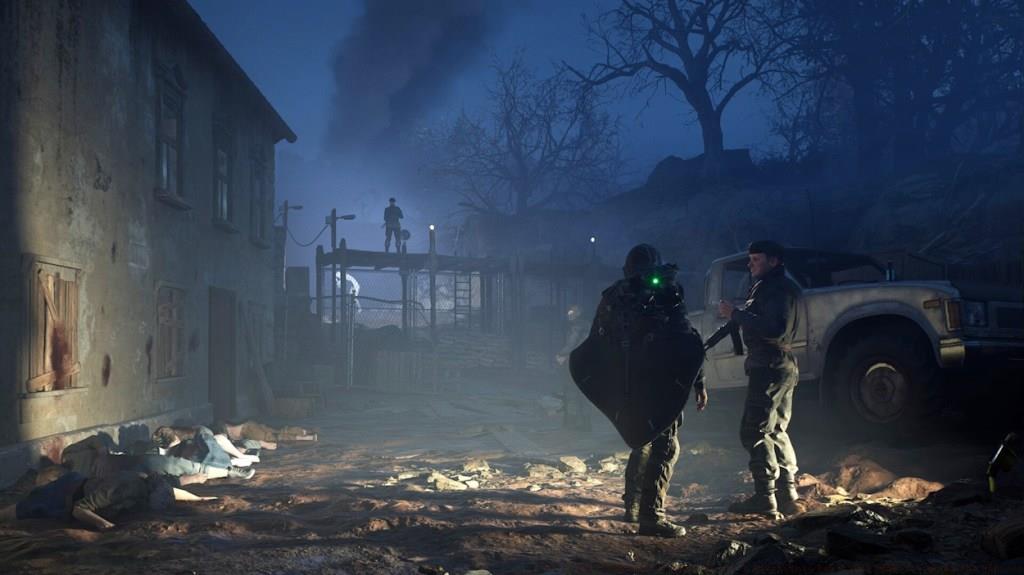
Let’s address the visual presentation immediately: Hell is Us achieves breathtaking artistic excellence. Not through photorealistic graphics but via its distinctive, dreamlike aesthetic that transforms every frame into a half-remembered vision. The water rendering particularly impressed me—for a studio’s inaugural release, the technical polish and attention to environmental details exceeded all expectations.
The narrative unfolds within Hadea, an imagined Eastern European nation devastated by civil conflict and supernatural phenomena. The landscape seamlessly merges realistic terrain with enigmatic ruins and extraterrestrial structures. Every direction reveals new layers of environmental detail. Verdant landscapes, tranquil settlements, war-torn battlefields, and alien complexes coalesce into a grim yet mesmerizing depiction of a society collapsing under multiple pressures.
The environment serves purposes beyond scenic beauty. Each element appears intentionally designed to convey narrative or conceal mysteries. You won’t encounter endless trivial collectibles or map-marking checklists. Instead, you discover environmental storytelling: fractured memorials hidden in woodlands, trails marked by wind chimes through forests, and unsettling statues that seem to observe your progress.

Belletete’s experience as art director on Deus Ex: Human Revolution manifests clearly throughout—every location in Hell is Us possesses deliberate significance. You’re encouraged to examine details carefully, pursue intuitive leads, and rely on your observational skills. This design philosophy alone distinguishes it from contemporary open-world titles.
What distinguishes Hell is Us most dramatically is its refusal to provide explicit direction. Completely. The interface contains no illuminated path markers indicating objectives. No minimap constantly directing your route. When characters suggest following wind chimes northward to locate a wrecked vehicle, you must literally determine north, listen for chimes, and maintain situational awareness.
This approach feels both courageous and reminiscent of earlier gaming eras. It evoked memories of childhood gaming before navigation systems became standardized across all titles. That sensation of autonomous problem-solving has become increasingly uncommon, yet Hell is Us masterfully resurrects it. Fortunately, basic GPS functionality remains available when absolutely necessary.
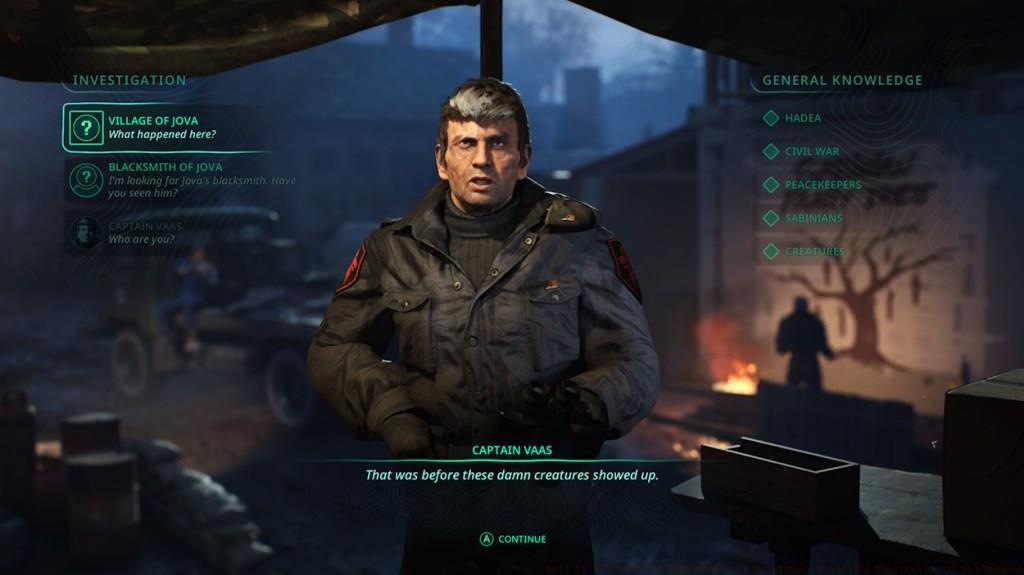
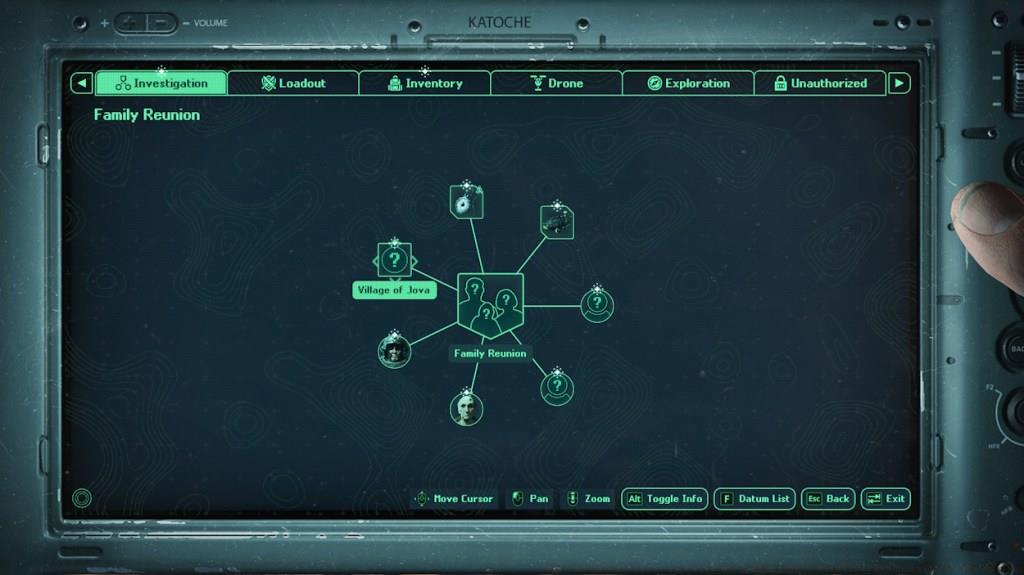
Even character interactions avoid exposition dumping. Dialogue sequences function as investigative opportunities. You pose inquiries, track narrative threads, accumulate information fragments, and develop flowcharts documenting your understanding of individuals, locations, and mysteries. This represents a streamlined investigative framework that enhances immersion rather than interrupting it with interface elements.
Each play session introduces new mission opportunities. Occasionally, these emerge as side quests. You might not even recognize when one initiates. For instance, at certain locations, you might discover a golden timepiece bearing an engraved name: Otis. This minor evidence initiates a sequence of interactions that evolves into a complete secondary narrative. These “Good Deeds” appear consistently throughout the adventure, providing intimate human stories within an environment dominated by turmoil.
Pro Tip: Always carry a digital compass app or use in-game landmarks for navigation. The game’s environmental design intentionally includes distinctive features—unusual rock formations, specific tree arrangements, or architectural elements—that serve as natural waypoints. Avoid the temptation to constantly check your map; instead, develop your spatial awareness by memorizing key locations and their relative positions.
Common Mistake: Many players initially struggle with the lack of directional markers. The solution involves treating NPC directions literally—if someone says “east of the ruined church,” identify the church first, then determine east. This approach transforms navigation from a chore into a rewarding gameplay element.
The underground complexes in Hell is Us represent architectural marvels that feel genuinely extraterrestrial. These spaces combine organic forms with geometric precision, creating environments that are both fascinating and unsettling. The lighting design within these areas deserves particular recognition—dynamic shadow play and eerie illumination sources make every corridor feel alive with potential danger.
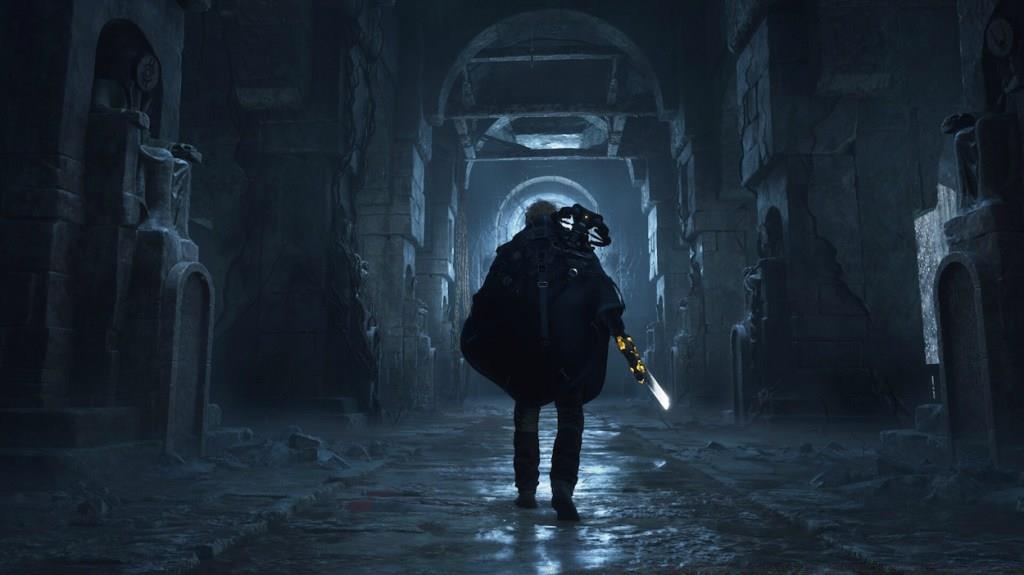
Combat encounters initially appear straightforward but reveal surprising tactical depth. The system emphasizes positional awareness and environmental utilization. You can use terrain features for cover, trigger environmental hazards against enemies, or create tactical advantages through careful movement.
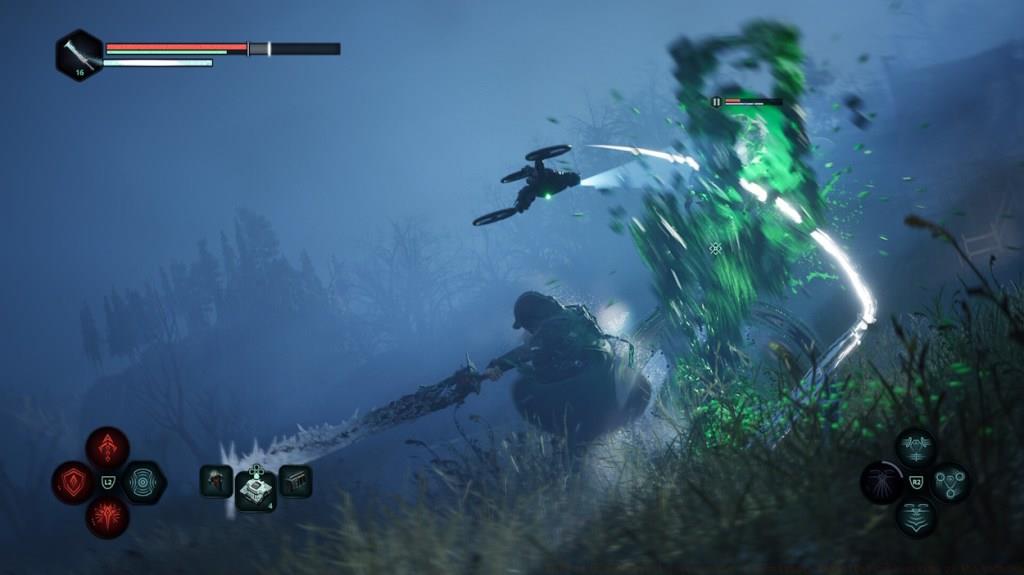
Enemy design incorporates both human combatants and otherworldly entities. The alien adversaries possess distinctive behavioral patterns that require observation and adaptation. Learning their attack tells and movement habits becomes crucial for survival.
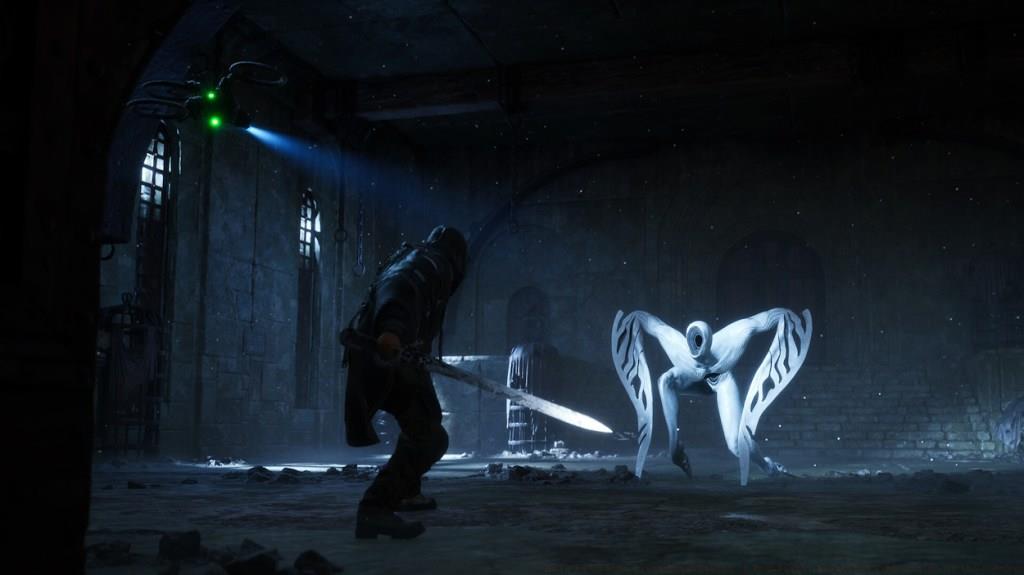
Advanced Strategy: Master the dodge-roll timing against different enemy types. Human opponents typically have predictable attack patterns, while alien creatures may require different evasion strategies. Practice in safer areas before encountering major threats.
The progression system integrates seamlessly with exploration. You discover upgrades and abilities through environmental interaction rather than traditional experience points. This design encourages thorough investigation of every area and rewards patience and observation.

Time Investment: Expect to spend approximately 15-20 hours completing the main narrative with thorough exploration, though completionists may require 25-30 hours to discover all secrets and complete every “Good Deed” side quest.
Hell is Us leaves an indelible mark that persists long after the controller is set down. The game’s atmospheric storytelling and respectful treatment of player intelligence create an experience that feels both contemporary and reminiscent of gaming’s golden age. The emotional resonance of discovering meaning within chaos provides a narrative depth rarely encountered in the genre.
The demo successfully demonstrates how the game differentiates itself through its commitment to organic discovery. Unlike many open-world titles that overwhelm with map icons and checklist objectives, Hell is Us trusts players to find their own path and create personal narratives through exploration.
Key Takeaway: This isn’t a game for those seeking constant direction or clear objectives. Instead, it rewards patience, curiosity, and attention to environmental details. The satisfaction comes not from completing tasks but from the journey of understanding Hadea’s mysteries.
For players interested in deepening their understanding of game mechanics and exploration systems, our Class Guide offers valuable insights into character development approaches that might enhance your Hell is Us experience.
The combat system, while initially seeming simple, reveals considerable depth through enemy variety and environmental interaction. This approach ensures that encounters remain engaging throughout the experience rather than becoming repetitive chores.
The anticipation for the full release has been significantly heightened by this demo experience. Hell is Us appears poised to deliver a unique gaming experience that prioritizes atmosphere, discovery, and player agency over conventional design tropes.
Action Checklist
- Prepare for navigation without waypoints—practice using environmental landmarks
- Allocate 2-3 hours for initial exploration to fully appreciate the game’s pacing
- Experiment with combat mechanics in safe areas before engaging major threats
- Document discoveries and clues—the game rewards thorough note-taking
- Engage with NPCs multiple times—conversations evolve based on discovered information
No reproduction without permission:Tsp Game Club » Hell Is Us Demo First Impressions: A Hauntingly Beautiful Exploration of the Unknown Discover Hell is Us' haunting beauty, intuitive exploration, and surprising combat in this comprehensive demo analysis